Gaza Genocide01 March, 20262 min read
Israel Closes All Gaza Crossings, Halts Aid and Medical Evacuations
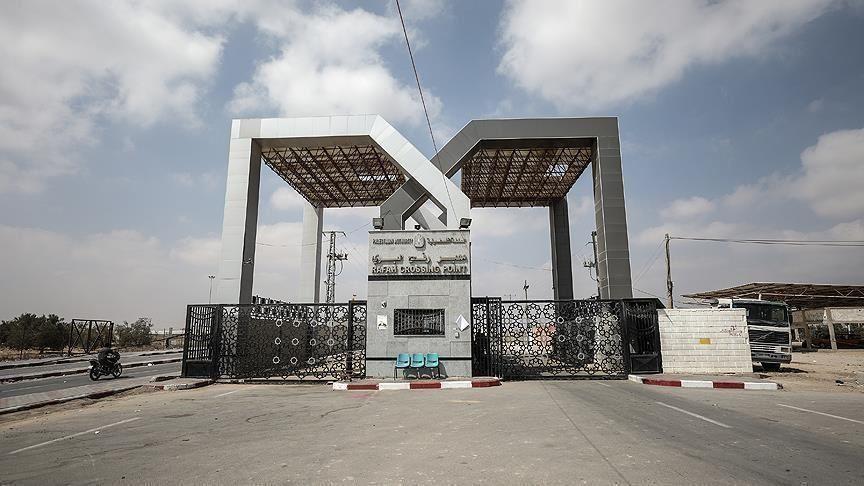
Israel closed all West Bank and Gaza crossings, including Rafah, effective Sunday until further notice Closures halted humanitarian aid deliveries and medical evacuations into the Gaza Strip
14 outlets told this the same way.
Outlets did split on Israel Marks Oct. 7 Anniversary With Strikes on Gaza, Netanyahu Faces Election After Nova Tribute →
Anadolu Ajansı was read line by line by the Watchdog: 4.8. See the score →
West Bank and Gaza crossings
Israel ordered the immediate closure of all crossings into the West Bank and Gaza — including the Rafah crossing with Egypt — "until further notice," tying the shutdown to a joint U.S.–Israel military operation against Iran and subsequent Iranian retaliation. Israeli authorities framed the move as a regional security measure after those strikes, and the closures have been described as barring all Palestinians except those with unspecified "vital worker" permits. The Rafah crossing had only recently reopened in early February for limited medical and movement cases, so the shutdown is a major reversal.
“COGAT ordered all West Bank and Gaza crossings — including Rafah — closed ‘until further notice’ following a joint US–Israel strike on Iran.”
Gaza humanitarian access issues
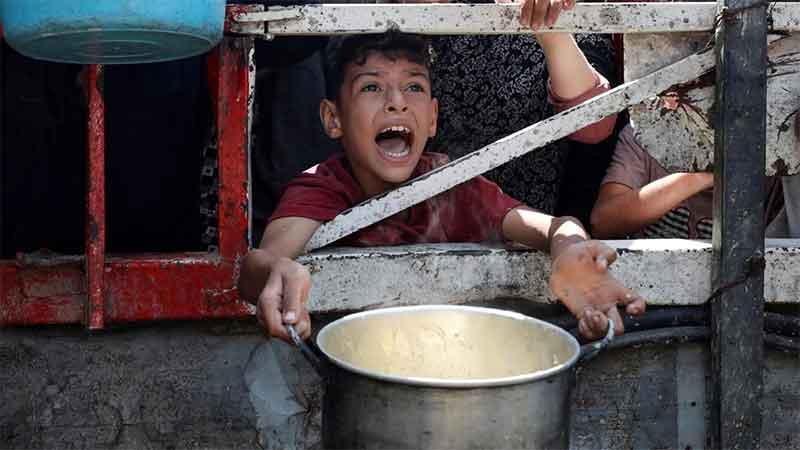
The closures have sharply cut humanitarian access. Aid deliveries and urgent medical evacuations were halted, and UN and rights groups warn that lifesaving assistance remains difficult to deliver. Israel’s COGAT has claimed food deliveries since the ceasefire are sufficient.
Aid groups and independent monitors report severe shortfalls, long delays at crossings and inspections, and restrictions that continue to block medicines, reconstruction materials, food and water. Truck entry data cited by Gaza authorities show far fewer trucks than allocated have passed into Gaza since October. Drivers report extended Israeli inspections and interference with nutritious items.

Restrictions on humanitarian organisations
The government announced plans to ban 37 aid groups operating in Gaza, the West Bank and East Jerusalem, a step described by aid agencies and Gaza officials as potentially devastating for millions who rely on relief. Those targeted organisations say new rules requiring intrusive registration data would impede critical assistance, while Israeli authorities defend the measures as security steps to prevent armed infiltration. Israel's Supreme Court issued a temporary injunction halting the planned closures while it considers a petition by 17 organisations, but the order does not restore visas or undo other operational restrictions.
“Separately, the Israeli government announced it will ban 37 aid groups operating in Gaza, the West Bank and East Jerusalem from March 1 — a move described as potentially devastating for the more than two million Gazans who depend on aid after over two years of war.”
Gaza: strikes and aid casualties
Israeli military operations have continued to kill Palestinians even as crossings are shut. Israeli airstrikes overnight were reported to have killed at least five people in Gaza. Wider reporting and UN statements, cited by regional sources, say large numbers of people seeking aid have been killed by Israeli actions since May.
Palestinian areas in Gaza have also seen heavy Israeli tank and ground fire in recent days, compounding the humanitarian disaster inside the enclave. Those killed include civilians seeking assistance, according to UN figures cited in regional reporting.
Regional strikes and responses
The crossings shutdown is bound up with a broader regional escalation after a US‑Israel strike on Iran and Iranian retaliatory missile and drone attacks. Reporting says the US and Israel struck Iran. Iran replied with missiles and drones against Israeli and US bases.
“The military action came after the US and Israel struck Iran, which retaliated with missiles and drones against Israeli and US bases; Israel declared a nationwide state of emergency while Iran vowed further harsh responses.”
Israeli authorities declared a nationwide state of emergency. The strikes and reprisals have included attacks across the Gulf and raised fears that focus on those operations will divert attention from Gaza’s humanitarian emergency. Iran and other regional actors have described the strikes as violations of international law while Israeli and U.S. officials framed their actions as security responses.