Gaza Genocide25 February, 20262 min read
US Opens Passport Services Inside Illegal West Bank Settlements, Aiding Israel's Annexation
This article is an automated aggregation of coverage from news outlets. Our editorials offer in-depth analysis curated by the NewsCord team.
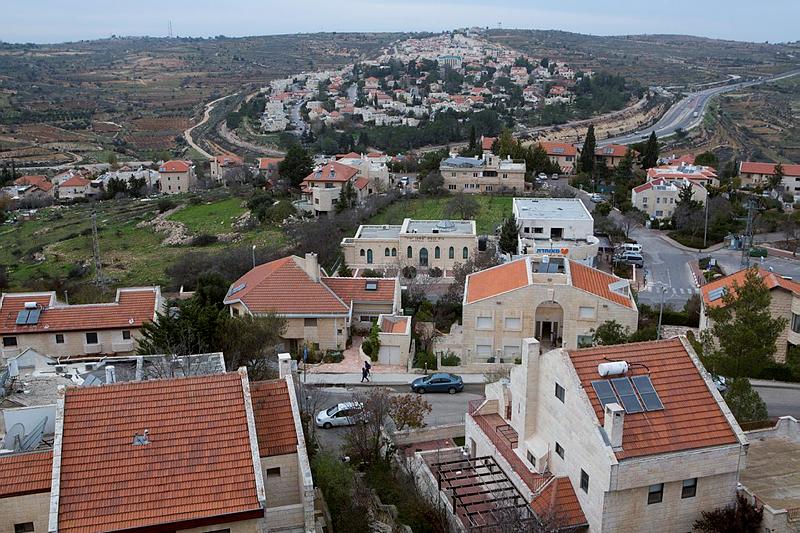
U.S. Embassy will offer on-site passport services inside the West Bank settlement Efrat. This marks the first time U.S. consular services are offered inside West Bank settlements.
11 outlets told this the same way.
Outlets did split on Israel Marks Oct. 7 Anniversary With Strikes on Gaza, Netanyahu Faces Election After Nova Tribute →
U.S. consular outreach to settlements
The U.S. embassy in Jerusalem announced it will, for the first time, provide on-site consular passport services inside Israeli settlements in the occupied West Bank, beginning with a one-day pop-up service in Efrat and with similar outreach planned for Beitar Illit, Ramallah and several Israeli cities.
“The embassy said the objective is ‘to reach all Americans.’”
The embassy said the objective is "to reach all Americans."

U.S. officials presented the move as a practical service for American citizens and described it as a clear procedural break with prior U.S. practice of keeping routine consular services outside settlements.
Sources report the Efrat pop-up is scheduled for Feb. 27 and that officials framed it as an outreach to Americans living in or near settlements.
Reactions to settlement announcement
Palestinian officials, Hamas and international legal experts immediately condemned the announcement as a breach of international law and a political endorsement of settlements that most of the international community regards as illegal. The Palestinian Authority’s Colonization and Wall Resistance Commission called it a "clear violation of international law," Hamas called it a "dangerous precedent," and legal observers told reporters the step undermines prospects for a Palestinian state by normalizing Israeli control over occupied territory. Several outlets also note that UN bodies, the ICJ and UNSC Resolution 2334 have declared settlements have "no legal validity" under international law.
Efrat embassy, West Bank context
Multiple outlets situate the embassy decision amid a surge in settlement expansion, settler attacks on Palestinians and Israeli army raids and demolitions across the West Bank since Israel’s Gaza war began in October 2023. Reporting documents growing displacement — the U.N. counted at least 694 Palestinians forced from their homes in January — and specific incidents including settlers shooting a Palestinian American man and arson attacks on villages. Sources say the embassy’s Efrat pop-up matters in this environment because Efrat hosts many American‑Israeli nationals and because providing services inside settlements can be read as treating those settlements like ordinary Israeli towns.
“The U.N. counted at least 694 Palestinians driven from their homes in the West Bank in January, the highest monthly figure since Israel’s Gaza war began in October 2023.”
Embassy move fallout
Analysts and critics warn the embassy move risks legitimizing settlements and could amount to de facto annexation depending on intent and follow-up actions. Legal and human-rights voices quoted in reporting describe the step as a political endorsement; TRT World cites Israeli human-rights lawyer Michael Sfard saying it 'amounts to a political endorsement of settlements.'
The Irish Examiner and The Guardian link the decision to broader U.S. policy shifts under President Trump and the appointment of Ambassador Mike Huckabee. Diplomatic fallout is already visible: international ministers and Palestinian bodies condemned the step, and some observers say the action undermines prospects for a negotiated Palestinian state.