Iran04 February, 20263 min read
Iran Agrees To Meet U.S. Envoys In Istanbul For 'Fair' Direct Talks
This article is an automated aggregation of coverage from news outlets. Our editorials offer in-depth analysis curated by the NewsCord team.
President Pezeshkian instructed Abbas Araghchi to pursue fair, equitable negotiations with the United States Talks will proceed only in a suitable environment free from threats and unreasonable demands
33 outlets told this the same way.
Iran-US talks update
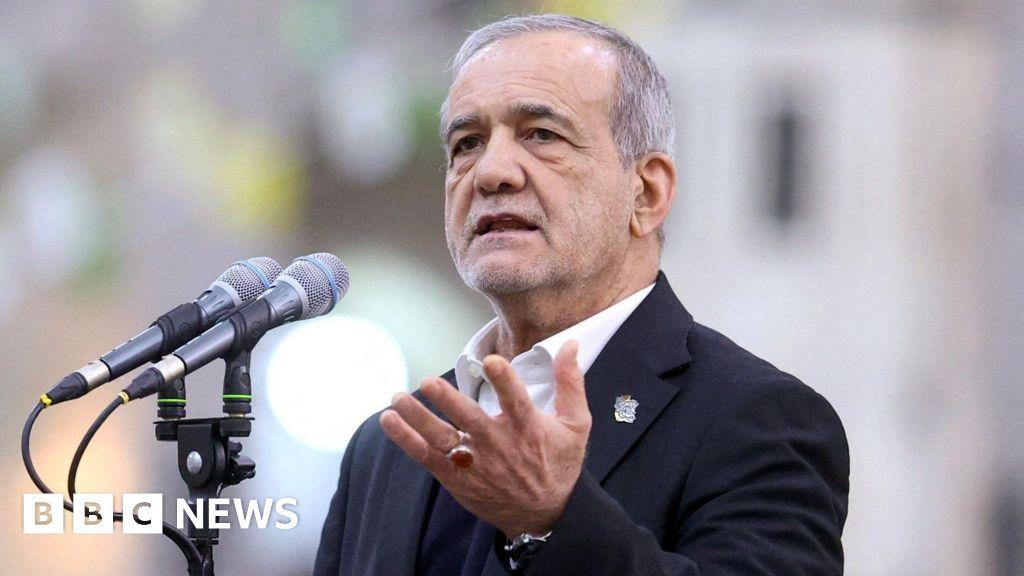
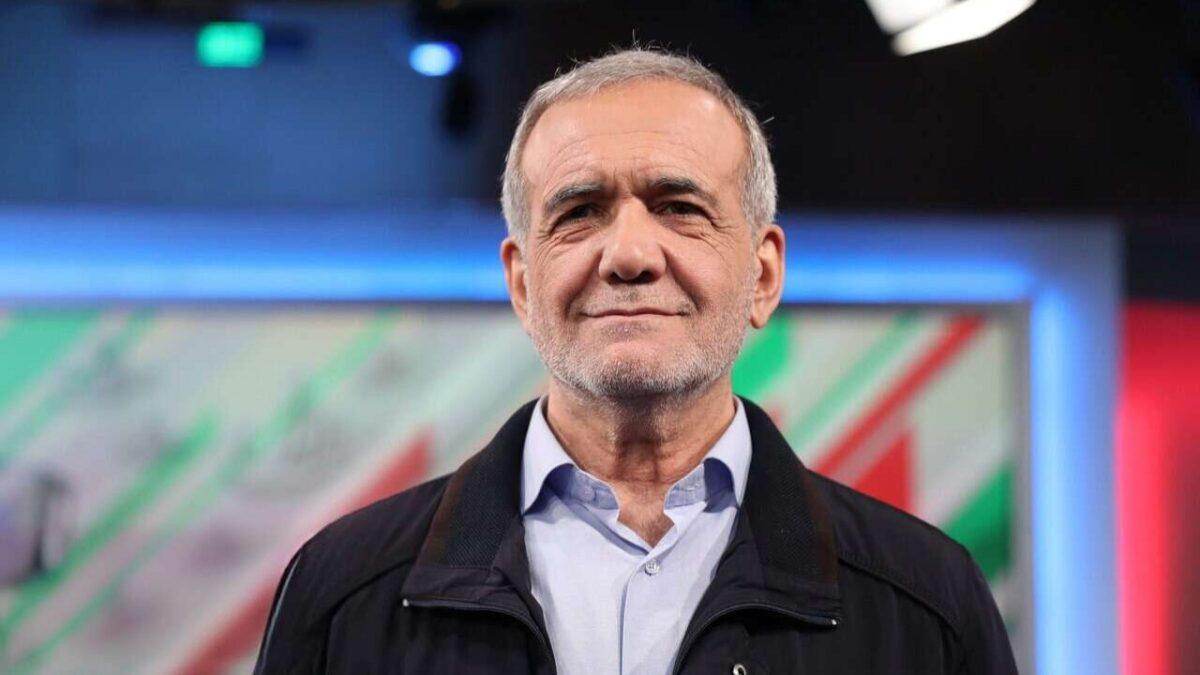
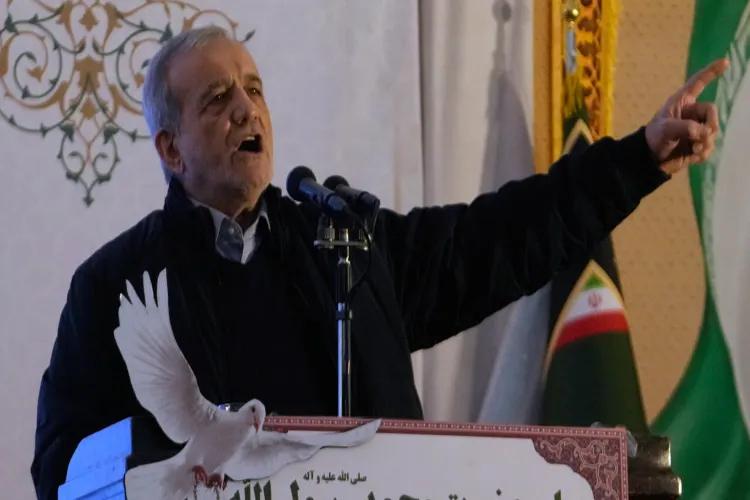
Iran’s new president, Masoud Pezeshkian, has instructed the foreign minister to pursue fair and equitable negotiations with the United States. Multiple outlets report preparations for talks in Istanbul between Iranian and U.S. envoys. Anadolu Ajansı said Pezeshkian stressed negotiations should be based on dignity, prudence and expediency and held in a suitable environment.
“Iranian President Masoud Pezeshkian said he has instructed the foreign minister to pursue ‘fair and equitable’ talks based on ‘dignity, prudence and expediency,’ after regional governments urged a response to a U.S. negotiation proposal from President Donald Trump. He said any talks must take place in a ‘suitable environment,’ free of threats or ‘unreasonable expectations,’ and must protect Iran’s national interests.”
PressTV reported that Iran’s Foreign Ministry said preparations are complete for talks in the coming days, with Istanbul suggested as a possible venue. Haaretz described the instruction as the first clear sign Tehran wants to engage after a violent domestic crackdown. The Independent noted that Washington had not confirmed the reports and that a semiofficial Iranian agency briefly posted and then deleted a similar claim.

Iran’s meeting conditions
Iran’s public conditions for any meeting are repeatedly described as cautious and conditional. Pezeshkian and other Iranian officials insist talks must occur in a suitable environment, without threats or unreasonable expectations, and must protect national interests. Multiple reports indicate any talks would be limited in scope to the nuclear program rather than missiles or broader regional issues.
Yeni Safak and Anadolu quoted the president’s requirement for dignity and no unrealistic demands. HUM News said Tehran framed the move as responding to regional governments and explicitly stated talks would be confined to the nuclear program. DT Next noted senior advisers signaled negotiations would likely be indirect and limited to nuclear issues.
Iran-U.S. diplomatic reports
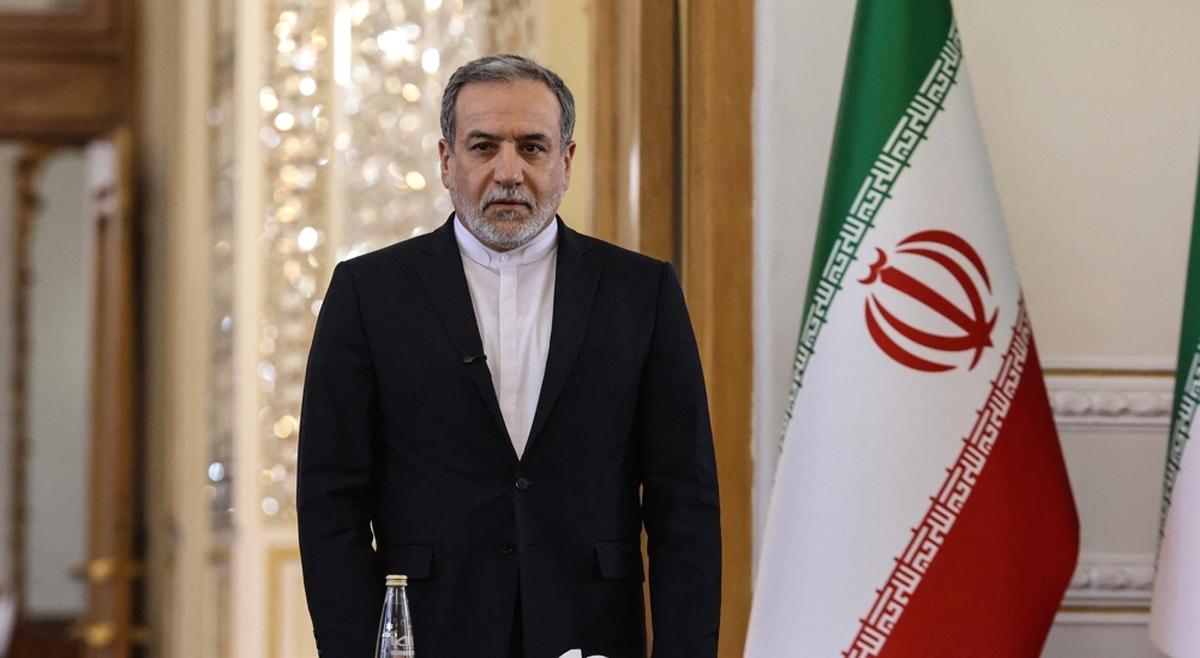
Reports identify key interlocutors and U.S. diplomatic activity in the region, but they underline that Washington’s official confirmation was lacking. PressTV and the San Juan Daily Star name Iran’s deputy foreign minister Abbas Araghchi and U.S. special envoy Steve Witkoff, with the San Juan piece also mentioning Jared Kushner as an expected participant. Devdiscourse and other outlets describe Witkoff’s regional tour and the U.S. insistence on stringent conditions.
“Media reports have suggested Istanbul as a possible site and named Iran’s deputy foreign minister Abbas Araghchi and U.S. special envoy Steve Witkoff as principal participants, with representatives from Qatar, Saudi Arabia, the UAE and Egypt expected at some sessions.”
Al Jazeera summarizes U.S. and EU concern about Iran’s nuclear advances and lists U.S. preconditions. The Independent cautions that many of the initial media reports were tentative or were later deleted.
Iran diplomatic coverage
Internal Iranian politics and recent domestic unrest frame the diplomatic opening and are reported differently across outlets. Haaretz and the Northeast Mississippi Daily Journal call the instruction a notable softening by Pezeshkian and say it may have Khamenei's backing after the government's violent crackdown on nationwide protests.
DT Next and PressTV emphasize uncertainty within Iran about the talks and note that semiofficial reports were deleted or remain unconfirmed. Some outlets portray the step as cautious leverage rather than capitulation, with regional reports highlighting preconditions and an insistence on national interests.
Regional security and diplomacy
The regional and security backdrop is central, with outlets reporting U.S. military deployments, Iranian warnings, and broader diplomatic fallout that complicate any talks. West Asian sources such as خبرگزاری برنا report U.S. carrier strike groups and fighter squadrons were sent to the region and say both sides prefer dialogue but remain ready for force.
“The U.S. Defense Department has sent additional carrier strike groups and fighter squadrons to West Asia, a move Iran called a provocative escalation. ... Iran and the U.S. are expected to hold nuclear talks in Istanbul on February 6.”
Tempo.co and Mehr quoted warnings from Supreme Leader Khamenei, and Iran condemned EU steps such as blacklisting the IRGC. Multiple sources caution that despite diplomatic signals, mistrust, recent attacks, and sanctions mean talks—if they happen—will be tightly constrained and provisional.