Iran18 April, 20267 min read
Iran-Aligned Groups Use AI Memes To Deceive Donald Trump And Shape Iran War Narrative
Iranian embassies and groups create AI Lego memes mocking Trump to shape Iran war narrative. Memes are AI-generated, circulated across social media, described as slopaganda accelerating information war.

AI memes and the war narrative
Analysts described a “meme war” in which Iran-aligned groups use AI to deceive Donald Trump and try to shape the war narrative during the Iran war.
The West Asian report says experts believe pro‑Iran groups are using AI to create “engaging memes online in English” to “inflame protests during the Iran war,” and that the memes “appear to come from government‑linked groups in Tehran.”
Neil Lavi Driver, an AI researcher at the University of Cambridge, framed the effort as a broader information contest, saying, “It’s a propaganda war for them.”
He added that “Their goal is to create a great deal of dissatisfaction with the conflict that the West will ultimately have to concede to, so this is extremely important to them.”
The same article ties the current phase to earlier online tactics, noting that in recent years memes evolved to include “AI‑generated imagery,” and referencing the term “AI slop” used during the Israeli–Iranian conflict that targeted Tehran’s nuclear program.
It also places the current war’s meme content in a specific escalation timeline, saying the war “began with joint US‑Israeli strikes on February 28,” and describing memes that use “lighthearted caricatures that criticize American officials.”
The report says the memes portray U.S. President Donald Trump as “old, unorganized, and internationally isolated,” and it points to “an injury on the back of Trump’s right hand” that led to “health speculation” and “intra‑MAGA infighting.”
LEGO-style satire and claims of ties
Beyond generic meme posts, the sources describe specific AI-driven formats and claims about who is behind them.
The West Asian report says Iran‑supporting memes circulating online include a “LEGO‑style animation series,” and it describes one clip in which “an Iranian military commander sings, ‘You thought you sat on your throne to run the world. Now we turn every base into a bed of stone,’ while Trump sinks into the Epstein files hub.”
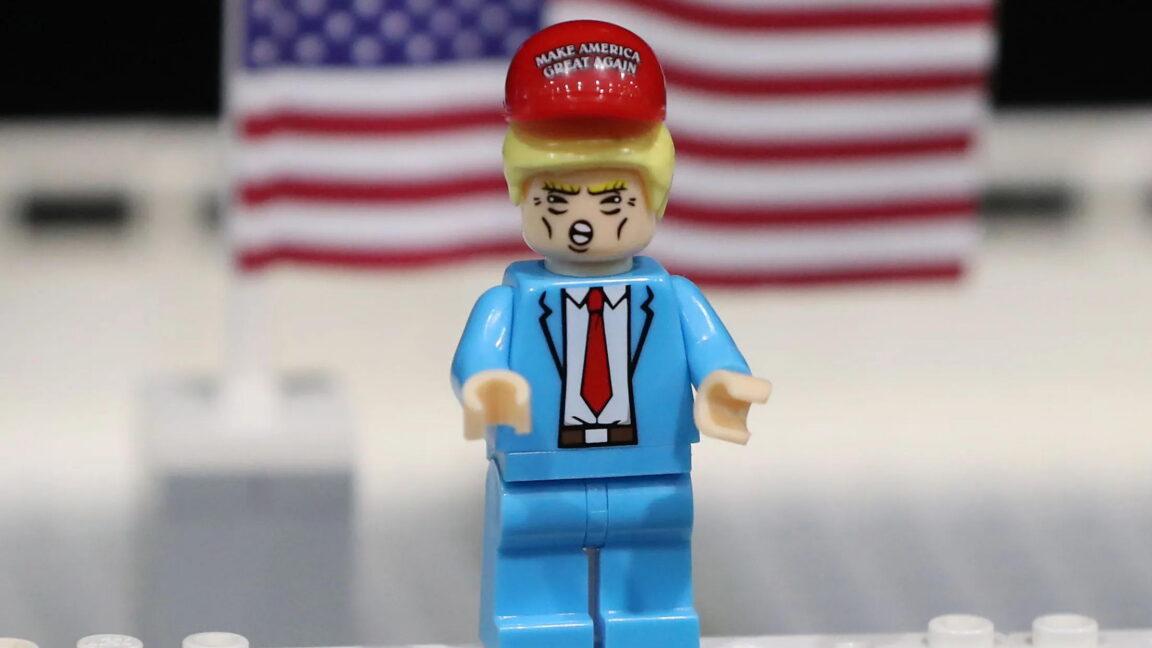
It also says “Analysts believe these groups are cooperating with Tehran,” and it quotes Mehsa Al‑Omardani, director of the Weitnes for Human Rights group, who has worked on AI video evidence.
Al‑Omardani argued that the animations show “a level of sophistication and online reach that points to ties with government offices,” adding, “If you can obtain the bandwidth required to produce and upload this kind of content, you are collaborating with the regime, formally or informally.”
The Straight Arrow News report similarly frames Iran’s diplomatic network as actively participating in the digital campaign, saying “Iran’s embassies and consulates have waged a digital war against President Donald Trump, using artificial intelligence and comedic posts to sway public opinion of the war.”
It claims the posts include “an AI-generated video of Jesus Christ tossing Trump into a firepit” and “an AI video of Trump singing a song about the Strait of Hormuz blockade,” and it quotes a Trump response on TruthSocial: “The Iranians are better at handling the Fake News Media, and ‘Public Relations,’ than they are at fighting.”
The France 24 report adds a platform enforcement angle, saying YouTube “banned Explosive Media's channel, suspending it for violent content and ‘violating its spam, deceptive practices and scams policies’,” after viral LEGO-style videos “ridiculing the US war effort in Iran.”
Platform bans, embassy posts, and counter-messaging
The sources also describe how the meme campaign intersects with platform moderation and with competing U.S. messaging.
France 24 says YouTube’s action came after “a LEGO-style video claimed ‘Iran won’ last week,” and it reports that the suspension triggered a response from Tehran’s foreign ministry accusing YouTube of “suppressing the truth” and “shielding the US administration's false narrative from any competing voice.”
CNN’s Will Ripley is cited describing “slopaganda” and “a new kind of information war,” with CNN saying Iranian embassies are “flooding social media with viral AI-generated memes mocking President Donald Trump for the Iran war.”
Straight Arrow News adds that the Iranian Ministry of Foreign Affairs lists “all 130 of its embassies and consulates online, with links to their X accounts,” and it claims the accounts have shared posts comparing Benjamin Netanyahu to Adolf Hitler and accusing Trump of being influenced by Netanyahu.
It also says the trolling reached Trump himself, quoting his TruthSocial line on April 10: “The Iranians are better at handling the Fake News Media, and ‘Public Relations,’ than they are at fighting,” and it ties the timing to “two days after the U.S. and Iran reached a supposed ceasefire.”
The West Asian report describes Iranian government accounts sweeping the United States, including “a Wednesday post from the Iranian Embassy in South Africa” that read: “Say hello to the new global superpower” alongside a photo of the Iranian flag.
It further says that after the ceasefire announcement, the Enzari newspaper wrote: “Iran wins! The world has found a path to crush imperialism. Trump surrenders.”
How the U.S. and Iran frame victory
Another thread in the reporting is how both sides claim success and attempt to dominate the narrative after ceasefire moves. The West Asian report says “The United States and Iran both declared victory after agreeing to a two‑week ceasefire,” and it describes how analysts connect the meme war to “a decades‑old Iranian government program to promote narratives against the United States and Israel.” It says Mehsa Al‑Omardani argued that “This meme war comes from institutions that know well the American audience and the pop‑culture references that can appeal to them.”
The West Asian report also says the U.S. and Israel do not appear to be in the same campaign, and it notes that “it will be hard for such messages to reach ordinary Iranians given Iran’s restrictions on internet access in the country.” Straight Arrow News, meanwhile, says the jokes play out as “the two countries, and Israel, debate how to formally end the conflict,” and it states that “the conflict that has left thousands dead.”

The Bitcoin News report ties the ceasefire to specific dates and claims about targets and negotiations, saying AOC responded on “April 7, 2026,” after Trump announced “a two-week ceasefire with Iran.” It also says “The two-week ceasefire remains in effect through April 8,” and that “formal negotiations in Pakistan continue.”
Consequences: censorship, politics, and risk
The reporting portrays the meme war as having consequences that extend beyond social media, including censorship actions, political backlash, and warnings about harm to civilians. France 24 says YouTube’s suspension of Explosive Media followed “violent content” and “violating its spam, deceptive practices and scams policies,” and it reports that Tehran’s foreign ministry accused YouTube of “suppressing the truth” and “shielding the US administration's false narrative from any competing voice.” Straight Arrow News adds that the posts are made while “an estimated 93 million Iranians are in a state-sanctioned internet blackout,” citing “The Washington Institute for Near East Policy’s forum on Iran’s digital blackout,” and it quotes Mahsa Alimardani saying, “The Islamic Republic has spent years building its propaganda apparatuses, controlling the media, trying to infect the social media space.”
The West Asian report says “Memes posted on various social platforms have millions of views,” while also stating “it is unclear how much they influence users,” and it describes how the memes are “part of a strategy to leverage their limited resources to harm the United States, even indirectly.” It also says analysts believe the groups cooperate with Tehran and that Tehran’s “strict internet restrictions” are part of the protests that “swept the country earlier this year.”

The Al Jazeera Net report frames the U.S. side as also using entertainment formats, saying the clips were criticized by Jon Favreau for trying “to downplay the war by making it look like a round of video games,” and it says the White House faced “a wave of sharp criticisms” after Ben Stiller objected. In the U.S. political sphere, Bitcoin News reports that AOC urged Trump’s removal from office and accused him of “threatening genocide against the Iranian people,” while also alleging “its blatant corruption drawn from this chaos—from cryptocurrencies to the prediction markets to the bribed settlements.”