
Iran Allows Two India-Flagged LPG Carriers to Transit Strait of Hormuz
Key Takeaways
- Iran allowed two India-flagged LPG carriers to transit the Strait of Hormuz
- Reports cited Reuters and four sources confirming permission, while an Iranian source denied any deal
- A Saudi crude tanker is expected to arrive in India after transiting the Strait
Transit approved for India
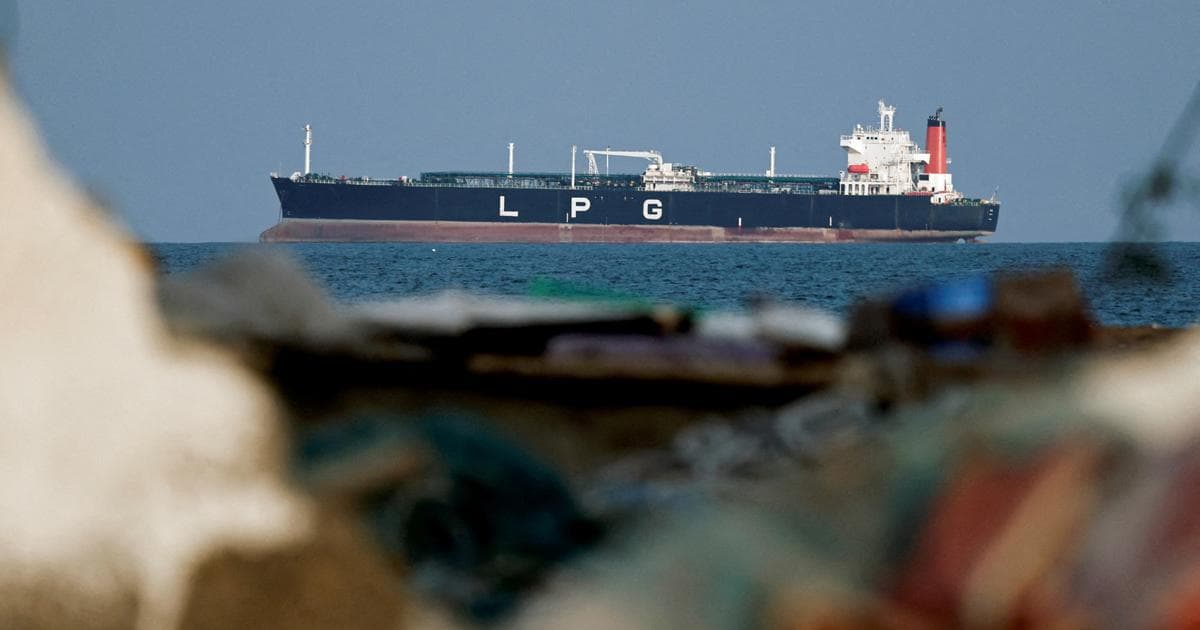
Iran has allowed two India-flagged liquefied petroleum gas (LPG) carriers to transit the Strait of Hormuz amid the ongoing conflict in the region, and Reuters reporting cited multiple sources for the development.
“NEW DELHI — Iran will allow India-flagged tankers to transit the Strait of Hormuz, a conduit for 40% of the South Asian nation’s crude imports, an Indian government source said on Thursday, but an Iranian source outside the country denied any such deal was reached”
Multiple outlets also reported a separate crude oil tanker carrying Saudi Arabian oil that sailed through the strait around March 1 and was expected to arrive in India shortly thereafter.
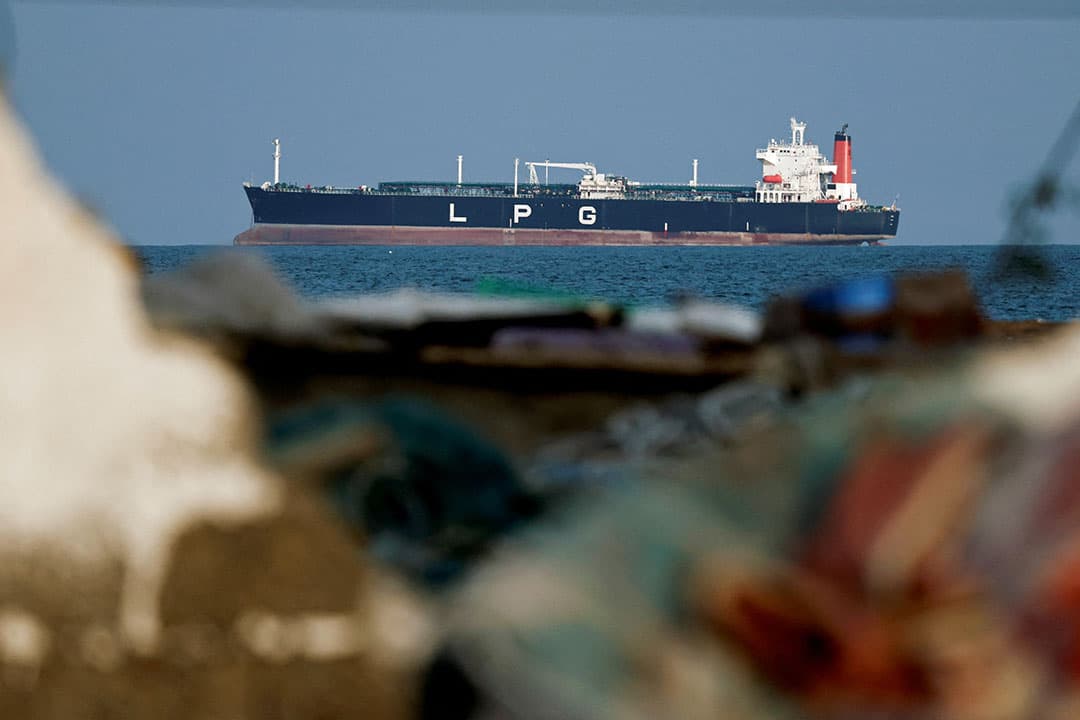
Reports cited shipping data and sources with direct knowledge to confirm these transits, highlighting that vessels bound for India have been moving through the strategic waterway despite wider disruptions.
Diplomatic communications
Indian and Iranian officials communicated directly about safe passage: Iran’s ambassador to India, Mohammad Fathali, publicly said Tehran would provide safe transit for India-bound vessels, and Indian and Iranian foreign ministers spoke by telephone before assurances were given.
Times Now described the move as following talks between External Affairs Minister S Jaishankar and his Iranian counterpart Abbas Araghchi, framing the transits as linked to high-level diplomacy.

At the same time, sources briefed to BusinessWorld characterized the matter as sensitive and emphasized that some details were being handled discreetly.
Energy and supply impact
The Strait of Hormuz is strategically vital to India’s energy supplies, so the allowed transits have immediate economic implications: outlets noted that much of India’s LPG imports transit the strait and that disruptions have been aggravating a cooking gas shortage for households.
“India Secures Safe Passage For Oil Tankers After High-Level Iran Talks NEW DELHI/TEHRAN — India has secured a vital diplomatic breakthrough as Iran agreed to allow Indian-flagged tankers safe passage through the Strait of Hormuz following intensive talks between External Affairs Minister S”
CNBC TV18 stressed that the route handles a large share of global oil and gas trade and warned that closures could raise freight costs and energy prices, while Times Now emphasized the sheer volume of oil that normally passes through the narrow channel.
Sources suggested that allowing Indian-flagged shipments could help ease supply pressures at home.
Vessels and movements
Reports provided limited operational details but named some vessels: Times Now said at least two Indian tankers — MT Pushpak and MT Parimal — were reported passing safely through Hormuz, and it also cited a Hindustan Times report that the Shenlong Suezmax oil tanker carrying Saudi crude arrived at Mumbai Port and was registered in Liberia with an Indian captain.
Reuters-based accounts, echoed by CNBC and rediff, mentioned the timing of a crude tanker’s transit around March 1 and used Lloyd’s List Intelligence data to track movements, while BusinessWorld noted that some recent transits involved foreign-flagged tankers believed to be bound for India.
Uncertainty and selectivity
Despite the reported transits, coverage stressed uncertainty and selectivity: Times Now reported that Iran had said the closure applied to vessels from the US, Israel, Europe and their Western allies, implying exceptions for others, while BusinessWorld highlighted that the situation remained fluid with limited clarity on how directives were being relayed across Iran’s administration.
“Iran lets 2 India-flagged gas tankers sail through Strait of Hormuz, insiders say India, which gave safe harbour to 183 Iranian sailors, has asked for exemptions from Iran’s blockade of the key waterway Iran has allowed two Indian-flagged liquefied petroleum gas carriers to sail through the Strait of Hormuz, four sources with direct knowledge of the matter said, a rare exception to the Iranian blockade that has disrupted global energy supplies”
CNBC noted prior Iranian statements and actions about closing the waterway and reports of vessels being targeted, and rediff quoted Ambassador Fathali’s simple public reassurance — "Yes. Because India and I are friends" — underscoring how bilateral ties factored into safe-passage assurances.

More on Iran
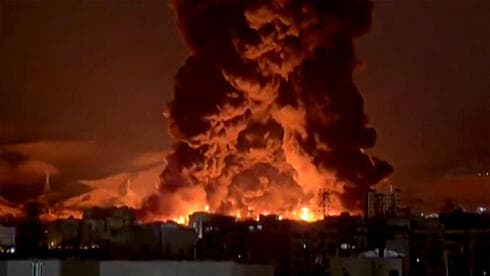
US obliterates military targets on Iran’s Kharg Island, Trump warns
13 sources compared
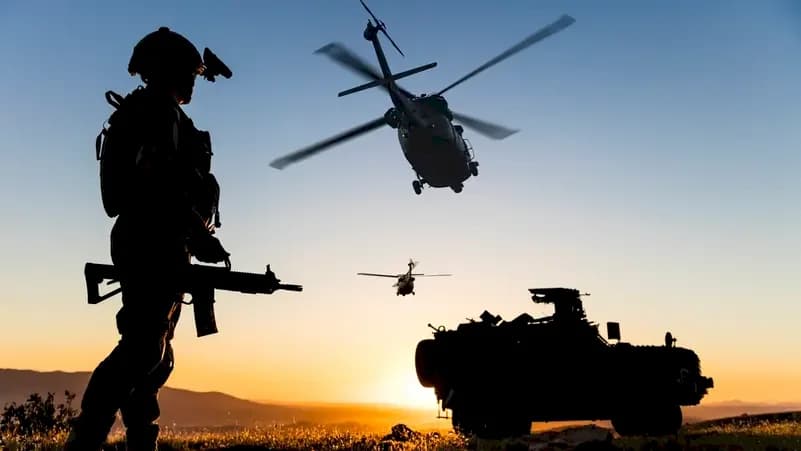
US Deploys About 2,500 Marines to Middle East After Iran Attacks Gulf Shipping
33 sources compared
FBI Warns of Iranian Drone Plot Based on Unverified Tip; California Says No Credible Threat
10 sources compared

White House Demands ABC Retract Report Claiming Iran Sought To Launch Drone Attacks On California
11 sources compared