Full Analysis Summary
Iran-Oman regional coordination
Iran and Oman publicly urged sustained consultation and coordination among Islamic countries to address sources of regional division and instability.
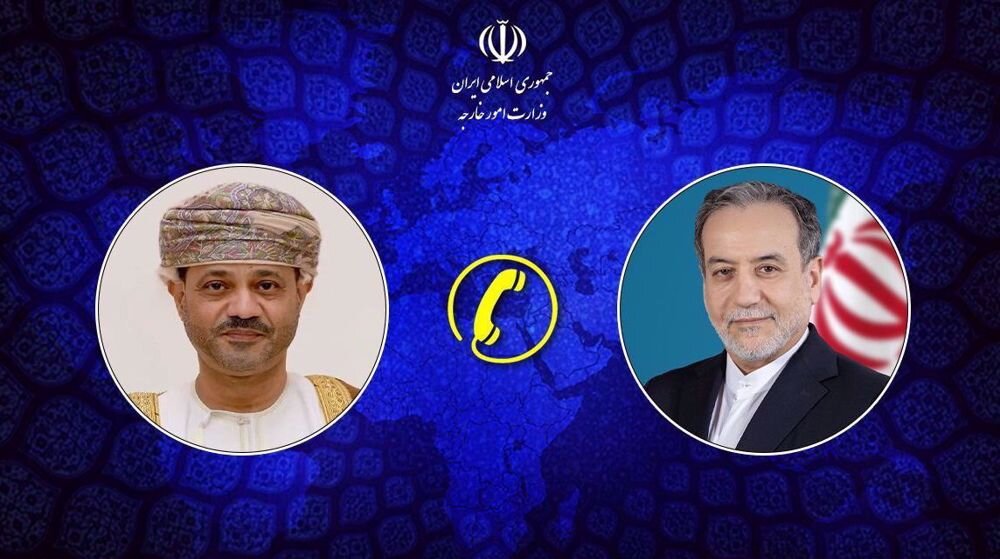
The statement followed a phone call between Iranian Foreign Minister Abbas Araghchi and Omani Foreign Minister Sayyid Badr bin Hamad bin Hamood Albusaidi.
During the call they reviewed bilateral ties and discussed ways to deepen Iran–Oman cooperation.
They also exchanged views on key regional and international developments.
Araghchi expressed concern about developments in southern Yemen and called on regional states to cooperate to protect Yemen’s territorial integrity and prevent further escalation.
Coverage Differences
Missed information / Source availability
Tehran Times (West Asian) provides a detailed account of the phone call, including quotes about reviewing bilateral ties and concerns over Yemen, whereas PressTV (West Asian) did not provide an accessible article text in the materials supplied to this summary and thus adds no additional perspective or detail. This means the narrative here is almost entirely drawn from Tehran Times reporting rather than multiple independent accounts.
Southern Yemen tensions
Tehran Times reports that Araghchi raised alarm over the situation in southern Yemen and called for regional cooperation to protect Yemen's territorial integrity and prevent escalation.
The call came amid recent clashes on Dec. 3, when reports said the UAE-backed Southern Transitional Council seized Hadramout, expanded into al-Mahrah, and began recruiting local forces.
Saudi airstrikes subsequently hit STC positions near Ghayl bin Yamin, with reports indicating no casualties or military-equipment damage.
These operational details form the security backdrop to the diplomatic appeal for coordination.
Coverage Differences
Tone and emphasis
Tehran Times emphasizes concrete security incidents in Yemen to justify calls for cooperation (listing STC moves and Saudi airstrikes), while PressTV provided no accessible piece to corroborate or offer an alternative framing; therefore Tehran Times' security-focused framing is unchallenged in the supplied materials.
Iran–Oman diplomatic framing
Beyond the immediate Yemen developments, Tehran Times frames the call as part of a broader Iran–Oman diplomatic effort to deepen bilateral cooperation and coordinate on regional and international issues.
The brief characterizes Oman as an engaged interlocutor and indicates both sides exchanged views on key developments, a diplomatic rhythm Tehran Times presents as contributing to broader consultation among Muslim-majority countries aimed at lowering regional divisions.
Because no contrasting accounts were provided in the supplied materials, that framing stands as the primary narrative in these sources.
Coverage Differences
Narrative / Source limitations
Tehran Times presents Oman as an active partner seeking deeper cooperation with Iran and broader Islamic consultation. In contrast, PressTV's supplied snippet contains no article content to offer corroboration, alternate detail, or a different tone; thus the sourced narrative is singular and limited to Tehran Times’ depiction.
Yemen and regional stability
Tehran Times reports an immediate policy implication calling on regional actors to prioritize territorial integrity and confidence-building to prevent localized clashes, especially in Yemen, from escalating into broader instability.
The outlet cites recent STC movements and Saudi strikes as evidence of how quickly localized security incidents can create wider divisions, which it says justifies ministers' calls for consultation among Islamic states.
Without other perspectives, the article cannot assess how regional or Western sources characterize the situation or how parties inside Yemen view these calls.
Coverage Differences
Missed perspectives / Ambiguity
Tehran Times provides the policy prescription (coordinate to avoid escalation) anchored to recent operational incidents; however, the supplied materials lack other regional, Yemeni, or Western reporting that might confirm casualty claims, provide on-the-ground perspectives, or present alternative remedies. PressTV's inaccessible article means we cannot compare tones or alternative prescriptions across West Asian outlets, and no Western Mainstream/Alternative sources were supplied to broaden view.
Iran–Oman call coverage
Tehran Times is the only substantive account provided of the Iran–Oman call.
That account frames the call as an appeal for Muslim-majority countries to coordinate to reduce division and prevent escalation, particularly in Yemen.
PressTV's text was not accessible and no additional West Asian, Western mainstream, or Western alternative sources were included in the materials, limiting cross-source comparison.
This limited sourcing creates uncertainty about how widely the ministers’ framing is shared, how other regional actors reacted, and how on-the-ground Yemeni actors interpret the events.
A fuller, multi-perspective article would require additional sources such as Western mainstream outlets, Western alternative media, and Yemeni local outlets.
Coverage Differences
Unique / Off-topic coverage and source limitation
Tehran Times provides the only full account and therefore shapes the narrative here. PressTV’s supplied snippet contains no substantive text and thus is categorized as unavailable for comparison. The lack of other source types prevents identification of contradictions, differing tones, or additional factual details across the media ecosystem.