
Iran And Taliban Collaborate On Mobile App To Monitor Users In Afghanistan
Key Takeaways
- Iran and the Afghan Taliban are collaborating to develop a mobile monitoring app.
- The app is believed to track and monitor users inside Afghanistan.
- The report cites information obtained by Afghanistan International.
App for Surveillance
Afghanistan International says the Afghan Taliban movement and Iran are collaborating to develop a mobile phone application believed to track and monitor users inside Afghanistan.
“Gift this articleShare to FacebookPrint article Article printing is available to subscribers only Print in a simple, ad-free format Subscribe Comments: SaveZen Reading Zen reading is available to subscribers only Ad-free and in a comfortable reading format Subscribe”
The report says the app has supervisory and security features and may enable access to users' mobile phones and Internet-connected devices, with data potentially placed at the disposal of the structures under the Taliban's General Directorate of Intelligence.

Cybersecurity experts based in London warned that suspicious apps could access sensitive information such as geolocation, contact lists, messages, browsing history, and device permissions.
The same Afghanistan International report also says the Taliban, alongside Tehran, has taken a pragmatic stance toward regional tensions, especially after the '12-day war' between Iran and Israel in June last year.
War Escalation Timeline
الجزيرة نت describes a coordinated military assault on Iran on February 28, 2026, when the United States and Israel launched strikes on day one dozens of targets in the heart of Tehran and several Iranian cities.
The article says Iran responded with a military operation targeting sites in Israel, in Gulf states and other countries under the pretext of targeting American interests there, and that Hezbollah joined the confrontation alongside Iran in early March 2026 with rocket attacks on sites in northern Israel.

As the war surged, the report says Iran blocked navigation through the Strait of Hormuz, disrupting global oil supplies and prompting wide international mobilization to secure the sea lanes.
In late March 2026, the Ansar Allah movement (the Houthis) joined the front with drone and missile strikes toward targets in Israel, while diplomatic moves led by Pakistan, Turkey, and Egypt and efforts by the United Nations sought de-escalation and a cease-fire through undisclosed channels of communication.
Ceasefire and Memory
الجزيرة نت says that on April 8, 2026, after about 40 days of war, a two-week cease-fire was announced, brokered with Pakistani mediation.
“Information obtained by Afghanistan International indicates that the Afghan Taliban movement and Iran are collaborating to develop a mobile phone application believed to have the ability to track and monitor users inside Afghanistan”
In Haaretz, Dahlia Scheindlin writes, "You can't forget the screams," in a piece dated May 07, 2026 and updated May 06, 2026.
Haaretz frames the moment by saying, "All Israelis of a certain age will remember where they were when they heard about the wedding hall in Jerusalem."
The Haaretz text then references the broader context of Israel-Iran conflict through its navigation of "Trump-Iran" and "Israel-Iran Live Updates," while the war timeline in ال جزيرة نت culminates in the cease-fire announcement brokered by Pakistan.
More on Iran
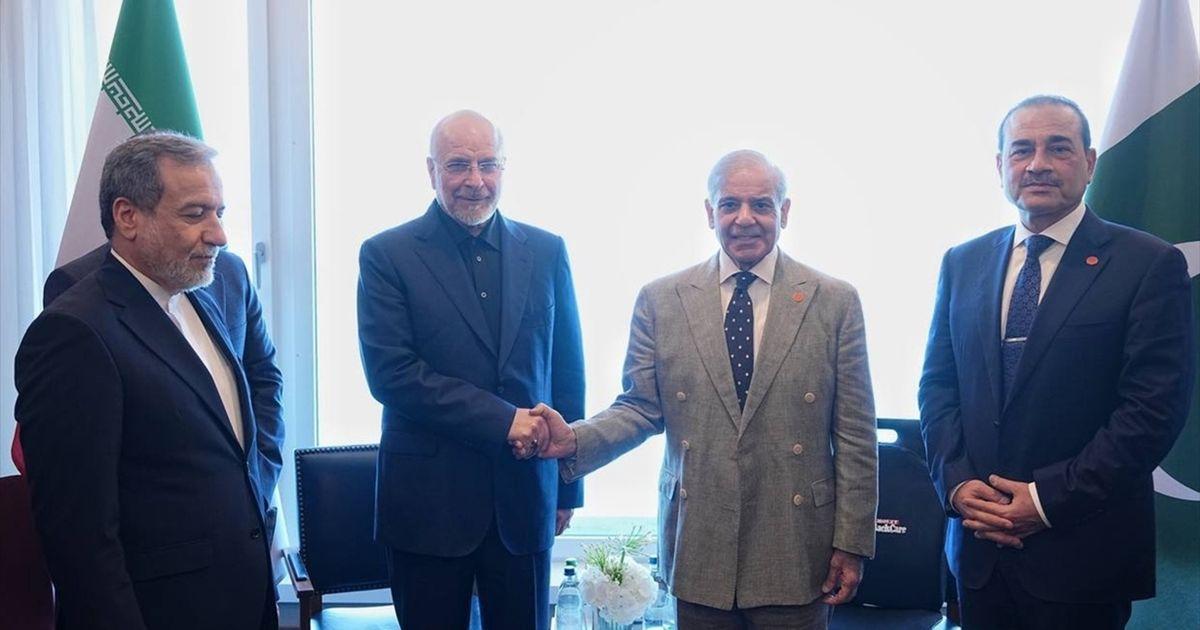
Iran And US Advance Post-War Diplomacy In Switzerland, Pakistan And Qatar Set 60-Day Roadmap
10 sources compared
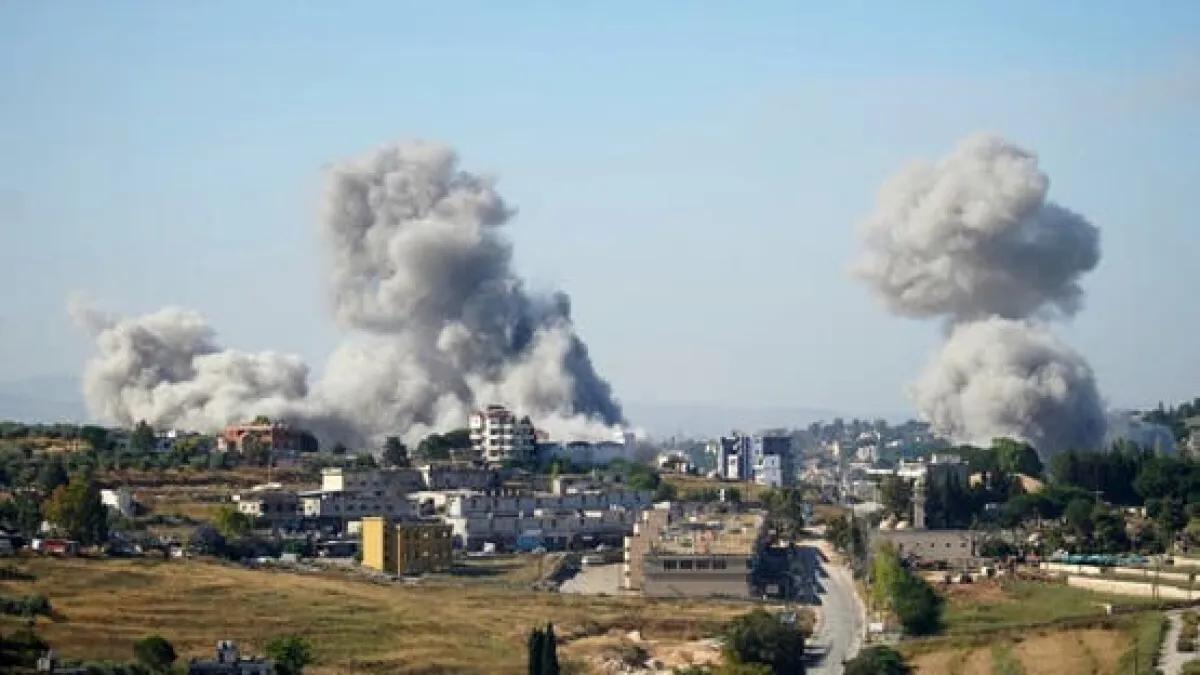
Trump Secures Hezbollah Pledge to Stop Attacks on Israel, Netanyahu Says Productive Call
10 sources compared

Iranian President Masoud Pezeshkian Visits Pakistan Tuesday For Talks With Asif Ali Zardari
10 sources compared

U.S. Authorizes Iranian Oil Sales Through August After Talks in Switzerland
18 sources compared