
Iran Attacks Civilian Targets; Qatar Demands Immediate Stop
Key Takeaways
- Qatar accuses Iran of targeting civilian areas, including residential neighbourhoods.
- Iran's attacks on civilian targets continue in the Gulf.
- Qatar calls for an immediate stop to attacks and resumed diplomacy.
Qatar's Civilian Targeting Claims
Qatar has directly accused Iran of targeting civilian infrastructure in the Gulf region.
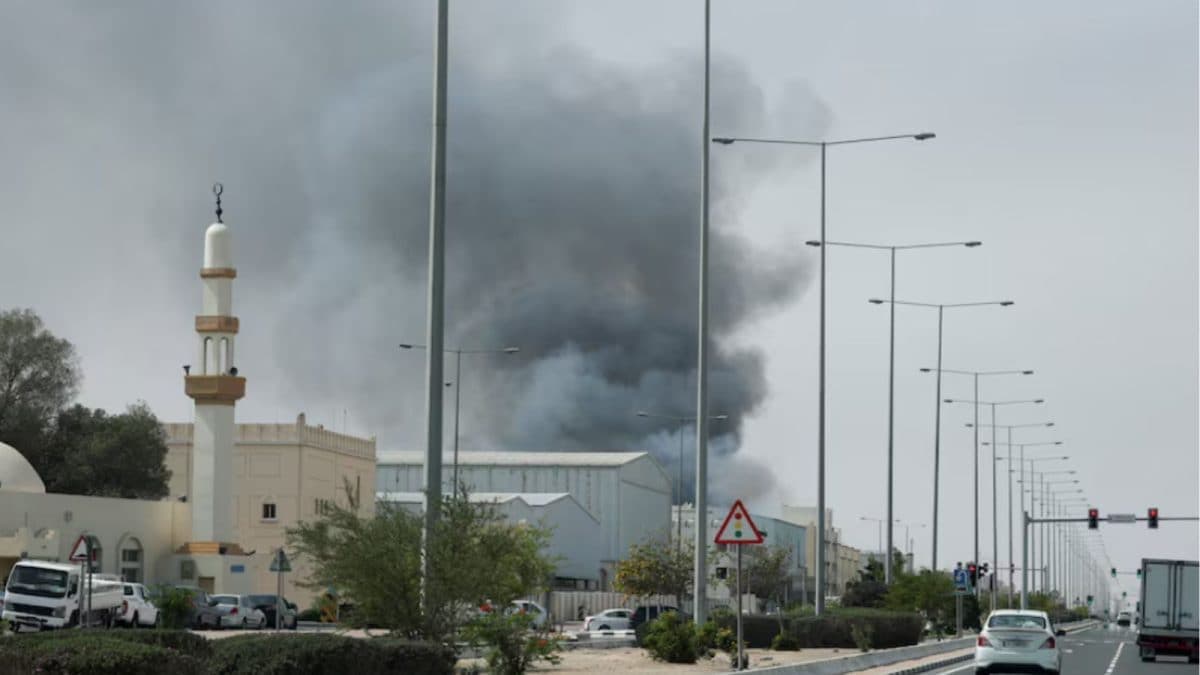
“BREAKING UAE contains fire near Dubai airport after drone attackTrump says NATO faces 'very bad' future if allies fail to help on HormuzIsrael bombs south Lebanon as death toll rises to 850 Click to pause breaking news tickerpause-square-backgroundClose Breaking News Tickerclose Toggle Play Qatar insists Iran is targeting civilian areas Qatar’s Foreign Ministry spokesperson Majed Al Ansari says Iranian attacks have targeted residential areas and Hamad International Airport, contradicting Tehran’s denial that is has been attacking civilian sites”
The Qatari Foreign Ministry spokesperson Majed Al Ansari stated that Iranian attacks have specifically hit residential neighborhoods.

Iranian strikes also targeted Hamad International Airport, raising serious concerns about civilian safety.
These accusations contradict Tehran's repeated denials that its strikes are limited to military objectives.
The escalation began following US and Israeli air attacks on Iranian territory on February 28.
Qatar's demands for immediate cessation of hostilities reflect growing Gulf state alarm.
Iran's Defiant Position
Iran has firmly rejected Qatar's accusations of targeting civilian areas.
Foreign Minister Abbas Araghchi declared Iran has 'not sent any message and has not requested a ceasefire.'
Araghchi emphasized Iran would endure 'difficult but proud days' and keep resisting without hesitation.
Iranian officials maintain their strikes are legitimate responses to US and Israeli aggression.
Despite evidence to the contrary, Iran denies targeting civilian infrastructure.
Iranian Foreign Ministry spokesperson Esmaeil Baghaei accused US and Israel of creating insecurity.
International Diplomatic Friction
Escalating tensions have triggered significant international reactions.
“Iran's attacks and threats against civilian targets have not stopped, Qatar's Foreign Ministry spokesperson said on Monday”
European allies are caught between US pressure and regional concerns.
Germany has ruled out any role for NATO in addressing the Strait of Hormuz blockade.
Foreign Minister Johann Wadephul stated NATO has made no decision and cannot assume responsibility.
US President Trump intensified pressure on European allies with 'very bad' future warnings.
Qatar continues to urge diplomatic solutions while ensuring Hormuz remains open for trade.
Hormuz Strategic Control
The Strait of Hormuz has emerged as a critical flashpoint in the regional conflict.
Iran is implementing special conditions for maritime traffic through the strategically vital waterway.
Iranian officials claim the strait remains open but operates under enhanced security measures.
Ship traffic moves under tighter control as Iranian armed forces oversee passage.
Countries not involved in military attacks can pass through in coordination with Iran.
Approximately 20% of the world's oil passes through this narrow chokepoint.
Iran justifies oversight by claiming potential false flag operations.
Iranian officials suggest US drone warnings may be preparing ground for such incidents.
Regional Escalation Concerns
The conflict shows signs of regional escalation with parallel military operations in Lebanon.
“'Stop Attacks Immediately': Qatar Accuses Iran Of Targeting Civilian Areas, Calls For Diplomacy Iran has launched strikes on US-linked sites and some civilian targets in Gulf countries since Washington and Israel began air attacks on Iranian territory on February 28”
Israeli forces have intensified bombing campaign in southern Lebanon.
The death toll in Lebanon has risen to 850 according to recent reports.
The Israel Defense Forces (IDF) characterizes operations as 'precise strikes.'
High casualty figures suggest significant civilian impact despite IDF claims.
This demonstrates how Iran-related tensions intersect with existing regional disputes.
The situation creates a multi-front scenario that could further destabilize the Middle East.
Multiple conflicts threaten to escalate beyond current boundaries.
More on Iran
Iranian Women's Soccer Captain Zahra Ghanbari Withdraws Asylum Bid in Australia
10 sources compared
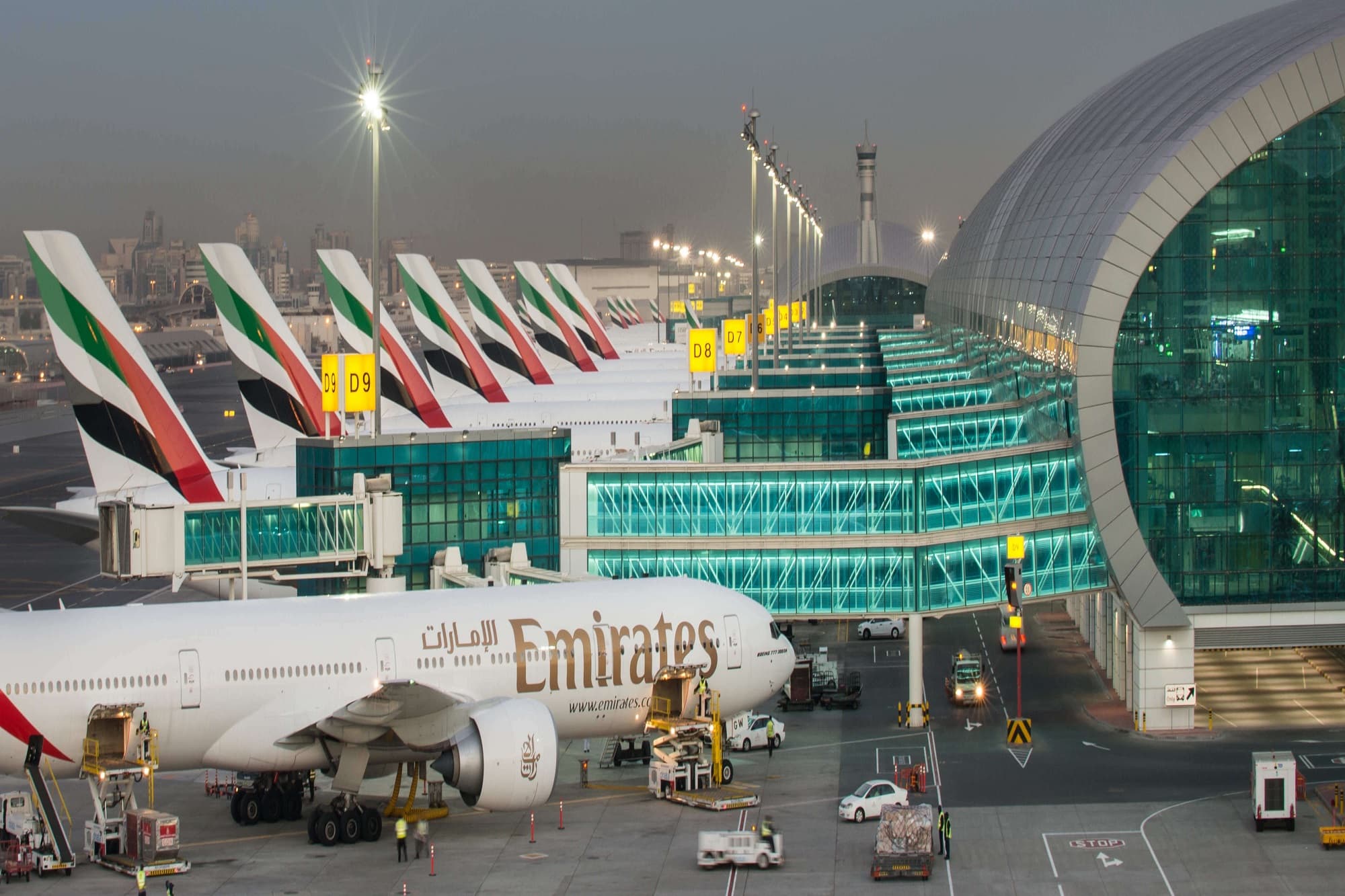
Iranian Drone Strike Shuts Dubai International Airport, Thousands Stranded
25 sources compared

Iran Drone Strike Shuts Dubai International Airport, Triggers Global Travel Disruption
16 sources compared

Iran's New Supreme Leader Mojtaba Khamenei Travels to Moscow for Leg Surgery
15 sources compared