Iran Attacks Dimona in Retaliation for Natanz Strike
Key Takeaways
- Iranian missiles hit Dimona and Arad, injuring dozens to more than 100 people.
- Iran framed the strikes as retaliation for Natanz.
- Dimona hosts Israel's main nuclear facility near the Negev desert.
Retaliatory Strikes
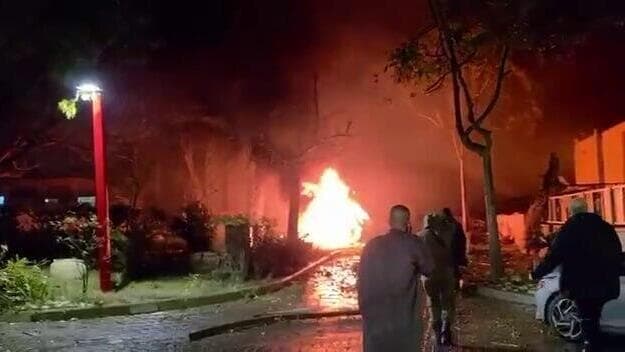
Iran launched retaliatory missile strikes against Israeli communities near the country's main nuclear research center on March 21, 2026.
“The missile appeared to have struck an open area”
This marked a dangerous escalation in the fourth week of the US-Israel war on Iran.

Iranian state television framed the attacks as a direct response to earlier strikes on Iran's Natanz uranium enrichment facility.
Tehran condemned the Natanz strike as 'criminal attacks' violating international law and nuclear agreements.
The Israeli military denied responsibility for the Natanz strike despite Iran's claims that the US and Israel were responsible.
The strikes targeted Dimona and nearby Arad, both located near Israel's Shimon Peres Negev Nuclear Research Center.
This facility is widely believed to house the Middle East's only nuclear arsenal, though Israel has never publicly acknowledged possessing nuclear weapons.
The International Atomic Energy Agency confirmed awareness of the Dimona incident.
The IAEA reported no indication of damage to the nuclear research center or abnormal radiation levels.
Strategic Escalation
The strategic significance of the Dimona attack was immediately recognized by Iranian officials and military analysts.
Iran's Parliament Speaker Mohammad Bagher Ghalibaf declared that Israel's inability to intercept missiles in the 'highly protected Dimona area' signaled 'entering a new phase of the battle'.

He stated that 'Israel's skies are defenseless.'
Iranian military sources told Tasnim News Agency that Tehran had shifted its strategy beyond proportional retaliation.
They warned that 'if they attack one infrastructure, we will attack several of their infrastructures' and promised future responses would be 'broader and more damaging.'
Israeli military officials confirmed their air defense systems had attempted to intercept the missiles but failed.
Firefighters reported that 'in both Dimona and Arad, interceptors were launched that failed to hit the threats, resulting in two direct hits by ballistic missiles with warheads weighing hundreds of kilograms.'
The failure of Israel's sophisticated air defenses raised serious concerns about the effectiveness of Israel's multi-layered defense systems.
Civilian Impact
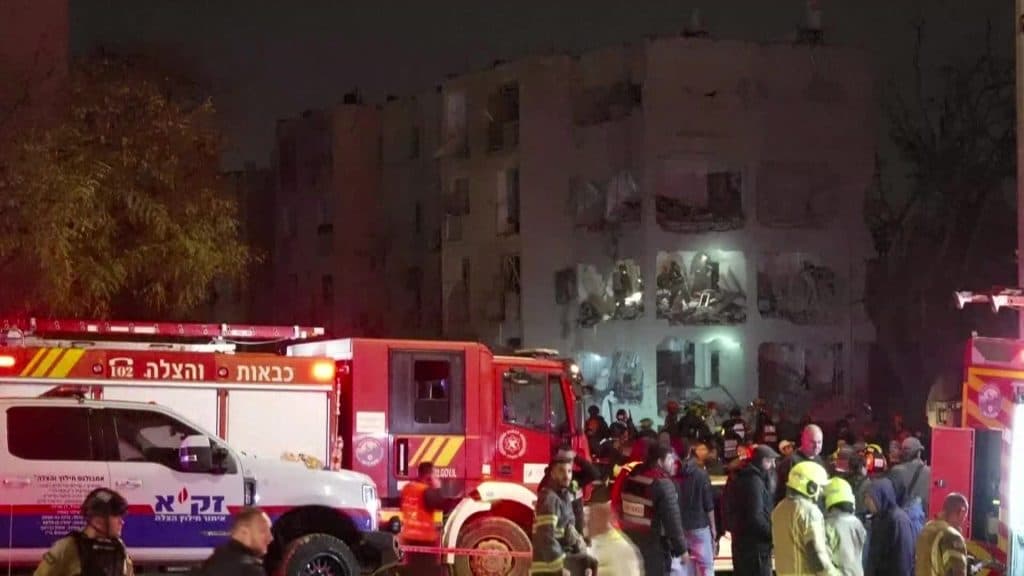
The missile strikes resulted in significant civilian casualties and extensive damage to residential areas in both Dimona and Arad.
“In a qualitative escalation that moves the American-Israeli war on Iran to a new level of the 'mutual deterrence' equation, the city of Dimona in southern Israel—home to the main nuclear facility—was hit by an Iranian missile strike that left widespread destruction, in an attack Tehran explicitly announced as a direct response to the bombing of the Natanz nuclear facility”
Israeli emergency services reported that at least 33 people were wounded in Dimona, including a 10-year-old boy in serious condition with multiple shrapnel wounds.
Several residential buildings were destroyed in the Dimona strike.
Hours later, a second strike on Arad injured at least 59 people, with reports indicating 10 were in serious condition.
Emergency services described the scenes as 'extensive damage and chaos at the scene' with paramedics treating 'a large number of casualties.'
Footage verified by Al Jazeera showed a missile striking Dimona followed by a large explosion.
One three-storey building completely collapsed in the Dimona strike.
The Israeli Ministry claimed Iran 'devastated Arad and Dimona by deliberately striking civilians with missiles.'
Emergency workers reported finding people trapped in rubble and unconscious under collapsed structures.
Casualty figures varied across sources, with some reporting over 100 total injured across both locations.
Regional Escalation
The attacks occurred within the broader context of escalating regional tensions.
Iran also targeted the US-UK joint military base on Diego Garcia in the Indian Ocean with what Israel described as 'two-stage intercontinental ballistic missiles.'
British officials confirmed the unsuccessful strike but provided few details.
Britain's Ministry of Defense described Iran as 'lashing out across the region.'
The attacks came as the United Arab Emirates reported facing aerial attacks after Iran warned it against allowing strikes from its territory.
Iran's de facto closure of the strategic Strait of Hormuz sent oil prices soaring.
North Sea Brent crude rose more than 50 percent over the past month and exceeded $105 per barrel.
The crisis prompted a joint statement from 22 countries condemning Iran's actions.
These countries expressed readiness to contribute to efforts ensuring safe passage through the strait.
Saudi Arabia announced it was expelling several Iranian diplomats from its embassy in Riyadh.
Nuclear Safety Concerns
International nuclear safety concerns were immediately raised following both the Natanz strike and the retaliatory attack near Dimona.
“Iran missiles hit southern Israel, injuring more than 100 Two Iranian missiles struck southern Israel on Saturday, injuring more than 100 people in the most destructive attack of the three-week war, with Prime Minister Benjamin Netanyahu vowing to retaliate "on all fronts"”
The International Atomic Energy Agency Director General Rafael Grossi repeatedly called for 'maximum military restraint to prevent a nuclear accident.'

The IAEA confirmed it was monitoring both incidents closely.
After the Dimona strike, the IAEA stated it 'has not received any indication of damage to the nuclear research center Negev'.
The agency also reported that 'information from regional States indicates that no abnormal radiation levels have been detected.'
Russian Foreign Ministry spokesperson Maria Zakharova warned that such strikes posed a 'real risk of catastrophic disaster throughout the Middle East.'
Israeli Prime Minister Benjamin Netanyahu vowed to continue striking Iran after calling the attacks 'a very difficult evening'.
Netanyahu stated 'This is a very difficult evening in the battle for our future.'
The UN nuclear watchdog urged that 'maximum military restraint should be observed, in particular in the vicinity of nuclear facilities.'
Analysts described this as an extremely dangerous game of brinkmanship with catastrophic potential for regional and global security.
More on Iran
Iranian missiles strike Dimona and Arad, injuring over 100.
47 sources compared

Iran Attacks Diego Garcia with Long-Range Missiles, Targeting U.S.-UK Base
82 sources compared
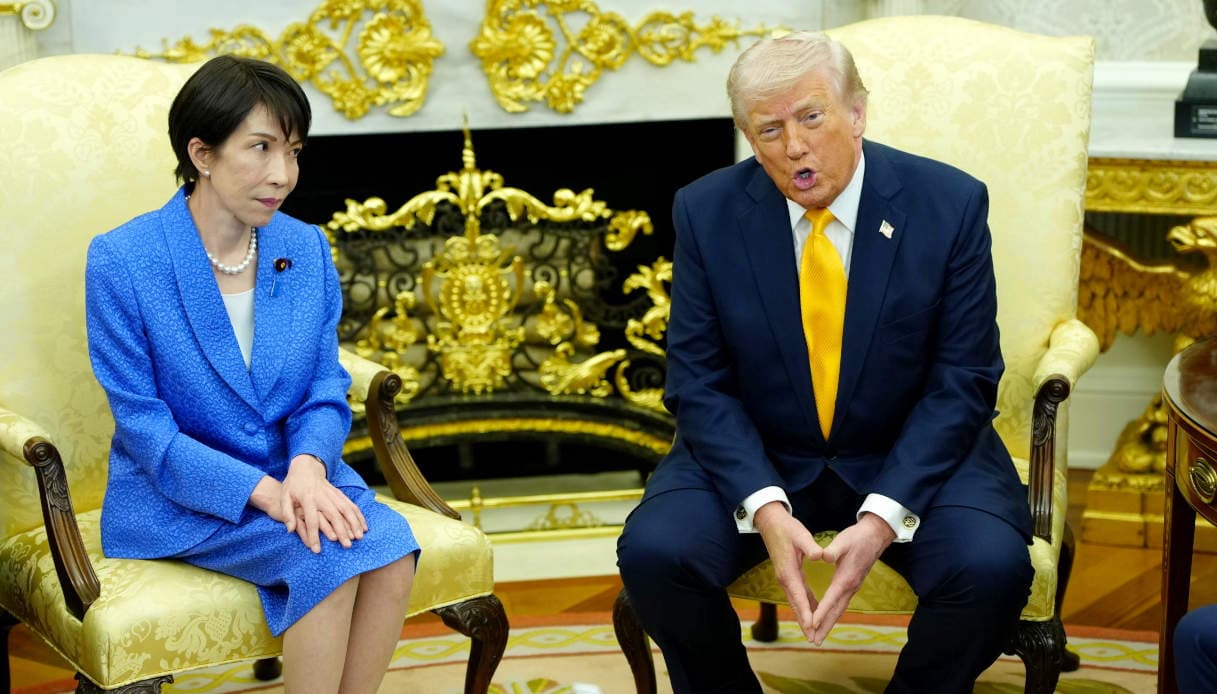
Trump Defends Iran War by Citing Pearl Harbor
12 sources compared
Israel's Defense Minister Warns Israel and United States Will Intensify Attacks on Iran
125 sources compared