
Iran Attacks Qatar's Ras Laffan LNG Facility; Qatar Expels Iranian Embassy Staff
Key Takeaways
- Iran launched a strike on a Qatar LNG facility.
- Qatar designated Iranian embassy military and security attaches persona non grata.
- Staff were ordered to leave Qatar within 24 hours.
Diplomatic Escalation
Qatar took decisive diplomatic action against Iran following a major missile attack on its critical Ras Laffan Industrial City LNG facility.
“Qatar Orders Iranian Embassy Staff To Leave Country Within 24 Hours After Strikes On Energy Hub Qatar's Foreign Ministry declared the military and the security attaché at the Iranian embassy 'persona non grata' and asked them to leave the country within 24 hours”
This escalation between the two Gulf nations comes as they share the world's largest natural gas field beneath the waters between them.
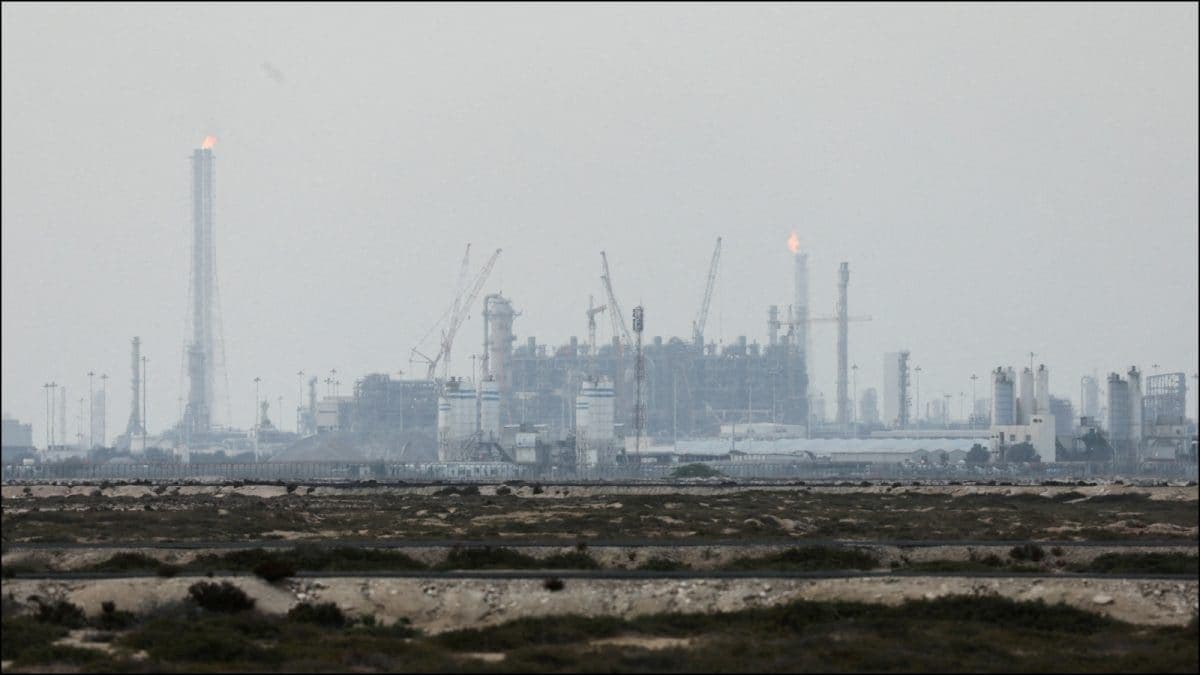
Qatar's Ministry of Foreign Affairs declared several Iranian Embassy attaches persona non grata in response to Iranian aggression.
The ministry described the Iranian actions as repeated targeting and treacherous aggression that violated Qatari sovereignty and security.
These dramatic developments represent the sharpest rupture yet between the two nations.
The two countries had maintained one of the Gulf's most durable partnerships for decades until this point.
Attack on LNG Facility
The Iranian attack targeted Ras Laffan Industrial City, the sprawling complex northeast of Doha that houses the world's largest liquefied natural gas production facility.
Iran launched five ballistic missiles toward Qatar, with Qatari armed forces intercepting four of them.
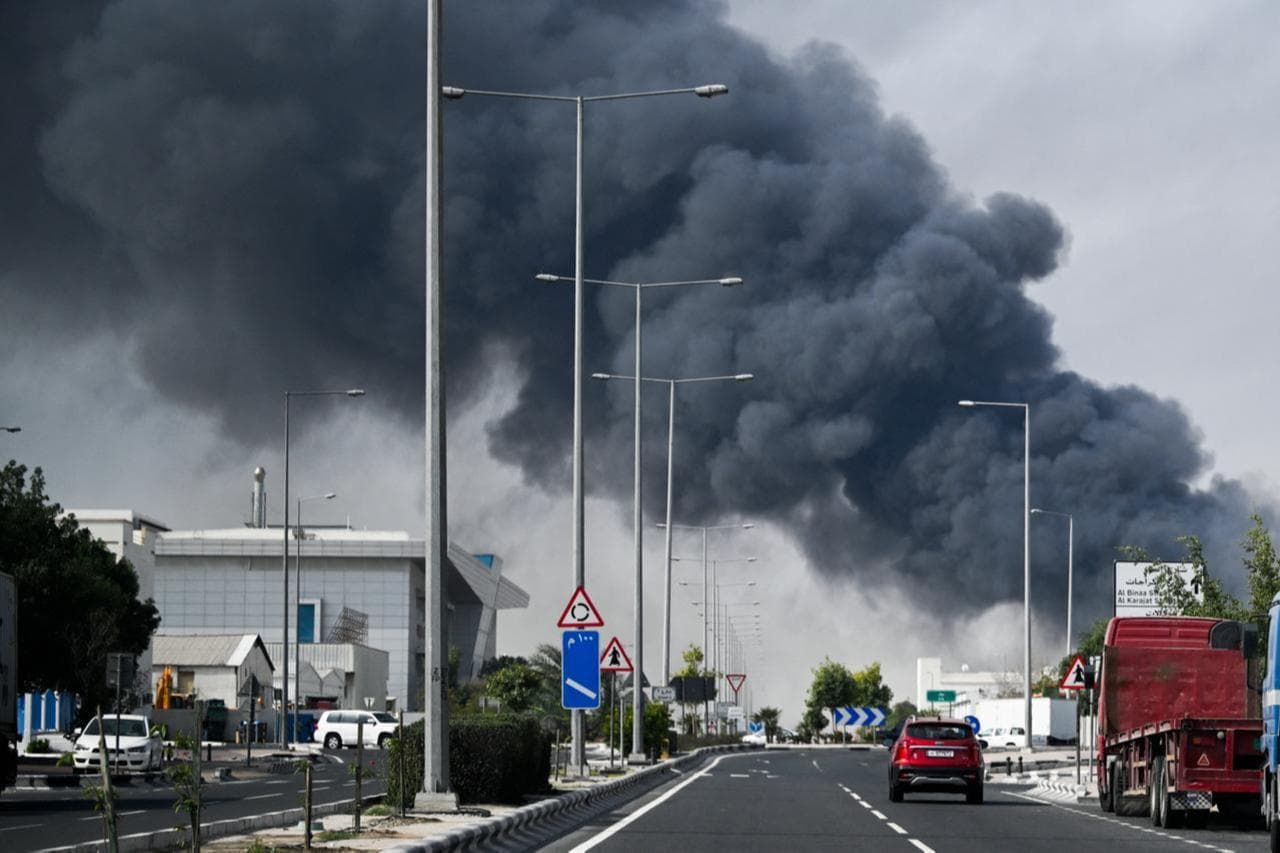
One missile successfully struck the Ras Laffan complex, igniting fires and causing extensive damage.
QatarEnergy confirmed the strike had caused 'extensive damage' to its main gas facility.
All personnel were accounted for and no casualties were reported from the attack.
Civil defense teams were deployed to contain the fires at the facility.
The facility typically produces about 20 percent of global LNG supply.
Qatari Response
Qatar responded forcefully to the Iranian aggression with strong diplomatic and security measures.
“Qatar declared several Iranian Embassy attaches persona non grata on Wednesday following an Iranian strike on a key liquefied natural gas facility, escalating tensions between Doha and Tehran as the broader war intensifies”
Qatar's Foreign Ministry condemned the strikes as 'a dangerous escalation, a flagrant violation of its sovereignty, and a direct threat to its national security.'
The ministry stated that Qatar 'will not hesitate to take all necessary measures to protect its sovereignty and security.'
Qatar urged the UN Security Council to enforce Resolution 2817, which denounced Iranian attacks on Gulf Cooperation Council countries.
The ministry clarified that the diplomatic expulsion was in response to repeated Iranian targeting and treacherous aggression.
Qatar warned that continued Iranian hostility would result in additional protective measures.
The diplomatic expulsion represents one of Qatar's strongest retaliatory steps to date.
Regional Escalation
The attack unfolded within a broader regional context of escalating tensions across Gulf energy infrastructure.
Hours before the missile hit Ras Laffan, Iran's semiofficial Tasnim news agency published an explicit warning.
The warning named five energy facilities across Saudi Arabia, the UAE, and Qatar for attack.
The Qatari targets listed were the Ras Laffan Refinery and the Mesaieed Petrochemical Complex.
Iran called on all citizens, residents, and employees to evacuate those facilities immediately.
Saudi Arabia reported intercepting and destroying four ballistic missiles toward Riyadh on the same day.
Saudi Arabia also thwarted an attempted drone attack on a gas facility in eastern Saudi Arabia.
These coordinated attacks follow an Israeli strike on an Iranian natural gas processing facility.
Iran's President Masoud Pezeshkian warned of 'uncontrolled consequences' after the Israel strike.
Economic Impact
The attack on Qatar's critical LNG infrastructure has had significant economic repercussions.
“Qatar's Foreign Ministry wrote on X Wednesday evening that it had declared the military and security attaches of the Iranian Embassy, as well as the staff in their offices, persona non grata”
The strikes triggered sharp increases in global energy markets.
QatarEnergy halted production on March 2 after the strikes.
Brent crude climbed 3.8 percent to settle at $107.38 a barrel.
Europe's gas benchmark jumped 6 percent according to Bloomberg.
Oil prices rose to nearly $110 per barrel amid the escalation.
The situation threatens unprecedented disruption to global energy supplies.
Qatar's foreign ministry spokesman Majed al-Ansari condemned the Israeli strike on Iran's South Pars gas field.
He called it 'a dangerous and irresponsible step' that threatens global energy security.
The conflict has already disrupted shipping from the world's most important energy-producing region.
The attacks now risk bringing lasting damage to energy infrastructure.
This could affect global energy supplies for months to come.
More on Iran

Israel strikes Iran's Pars gas field as Tehran vows revenge
14 sources compared
Trump threatens to blow up South Pars gas field if Iran attacks Qatar again
10 sources compared
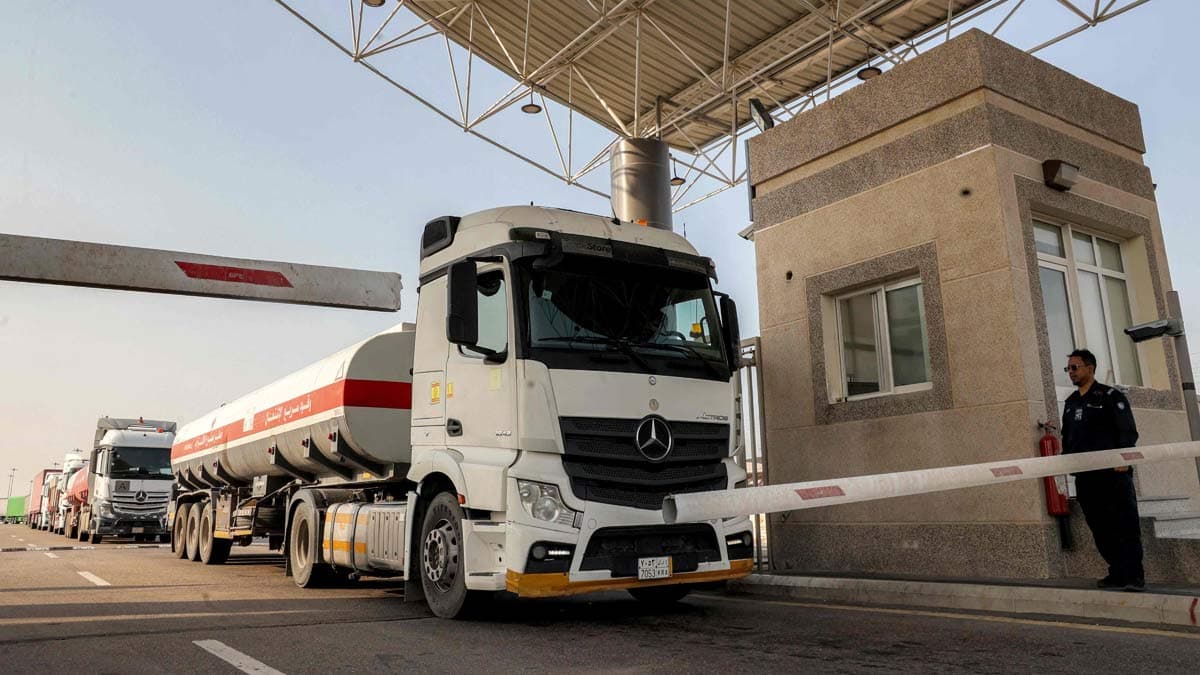
UAE Halts Habshan Gas Facility Operations After Debris From Intercepted Missiles
10 sources compared

Iran Threatens Gulf Energy Facilities After Israel Strikes South Pars Gas Field
11 sources compared