Iran18 March, 20264 min read
Iran Attacks Qatar's Ras Laffan LNG Hub, Causing Extensive Damage
Iran missile strikes caused extensive damage to Ras Laffan LNG hub in Qatar. Qatar condemned the attack as a dangerous escalation and sovereignty violation.
Attack Details
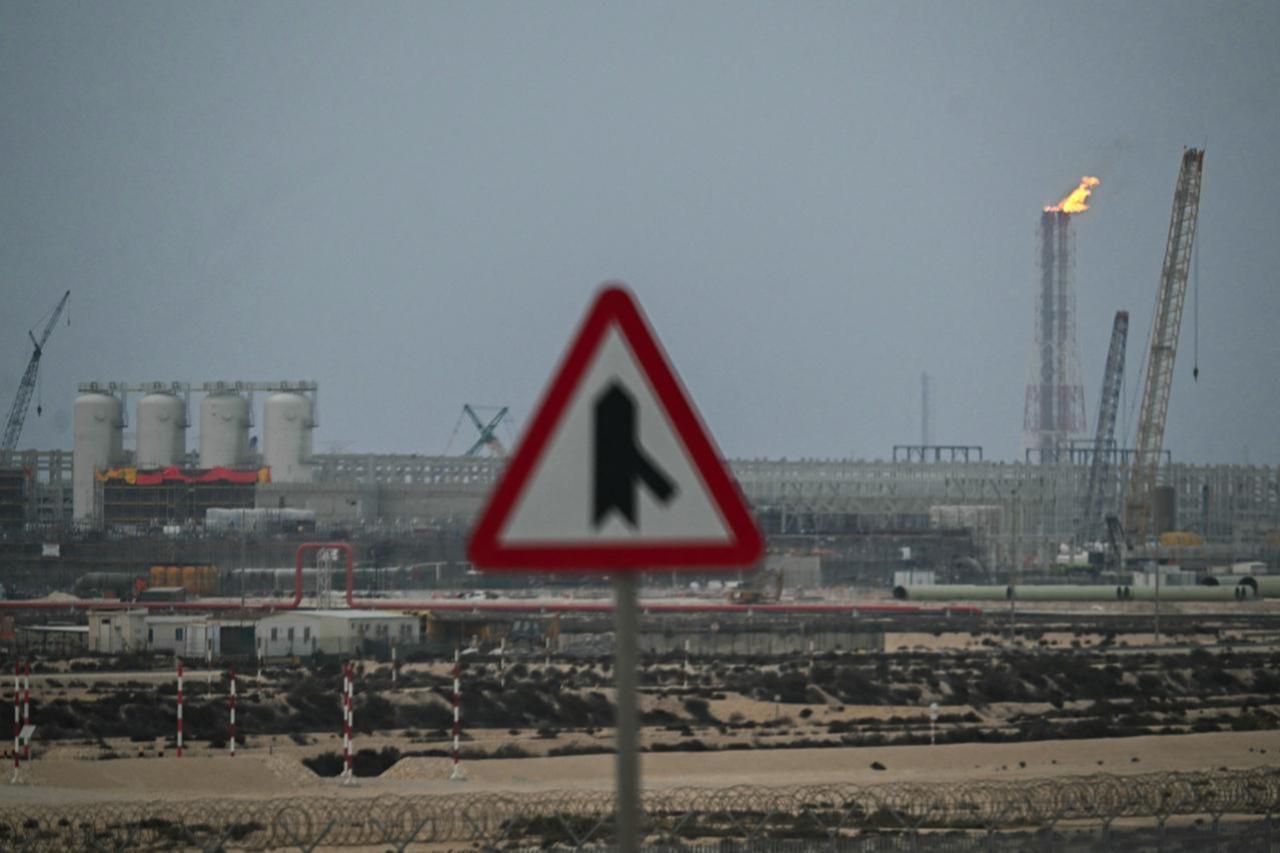
On March 18, 2026, Iran launched missile strikes targeting Qatar's Ras Laffan Industrial City, resulting in fires and extensive damage to the facility. The Qatari Ministry of Defence confirmed that five ballistic missiles were launched from Iran, with four successfully intercepted by Qatari air defenses while one struck the industrial area. QatarEnergy, the state-owned petroleum company, immediately deployed emergency response teams to contain the resulting fires, confirming that 'extensive damage has been caused' but that 'all personnel have been accounted for and no casualties have been reported at this time.'
“QatarEnergy, formerly Qatargas, is the world's largest LNG producer, operating 14 trains with a total capacity of 77 million tonnes per annum.”
The attack came amid heightened tensions in the Middle East following Israeli strikes on Iranian energy infrastructure, with Iran's Islamic Revolutionary Guard Corps having previously threatened to retaliate against energy facilities in Gulf countries. Qatar's Ministry of Interior later announced that the fire had been brought under control and that 'the security threat has been eliminated, and the situation has returned to normal.'

Strategic Importance
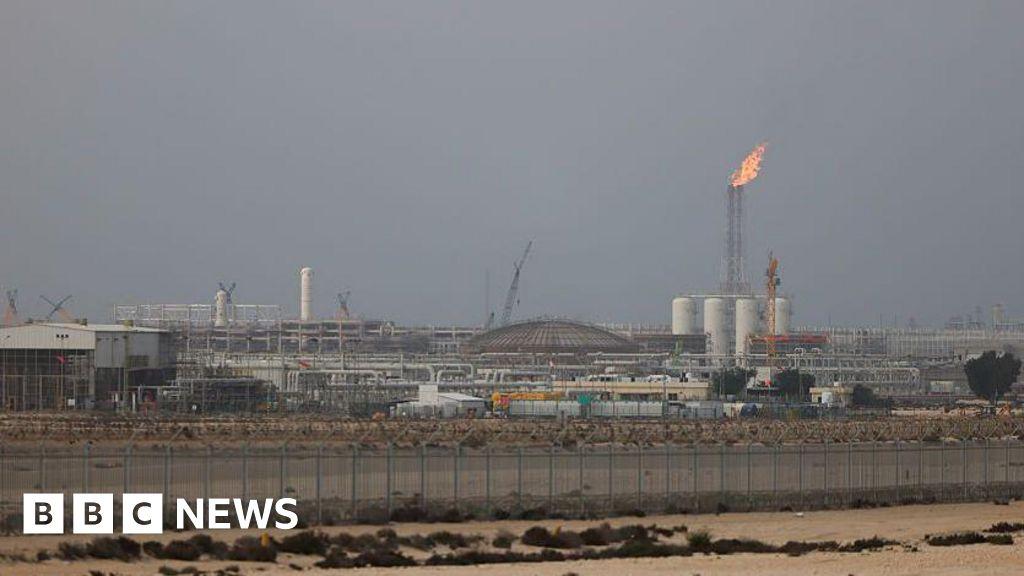
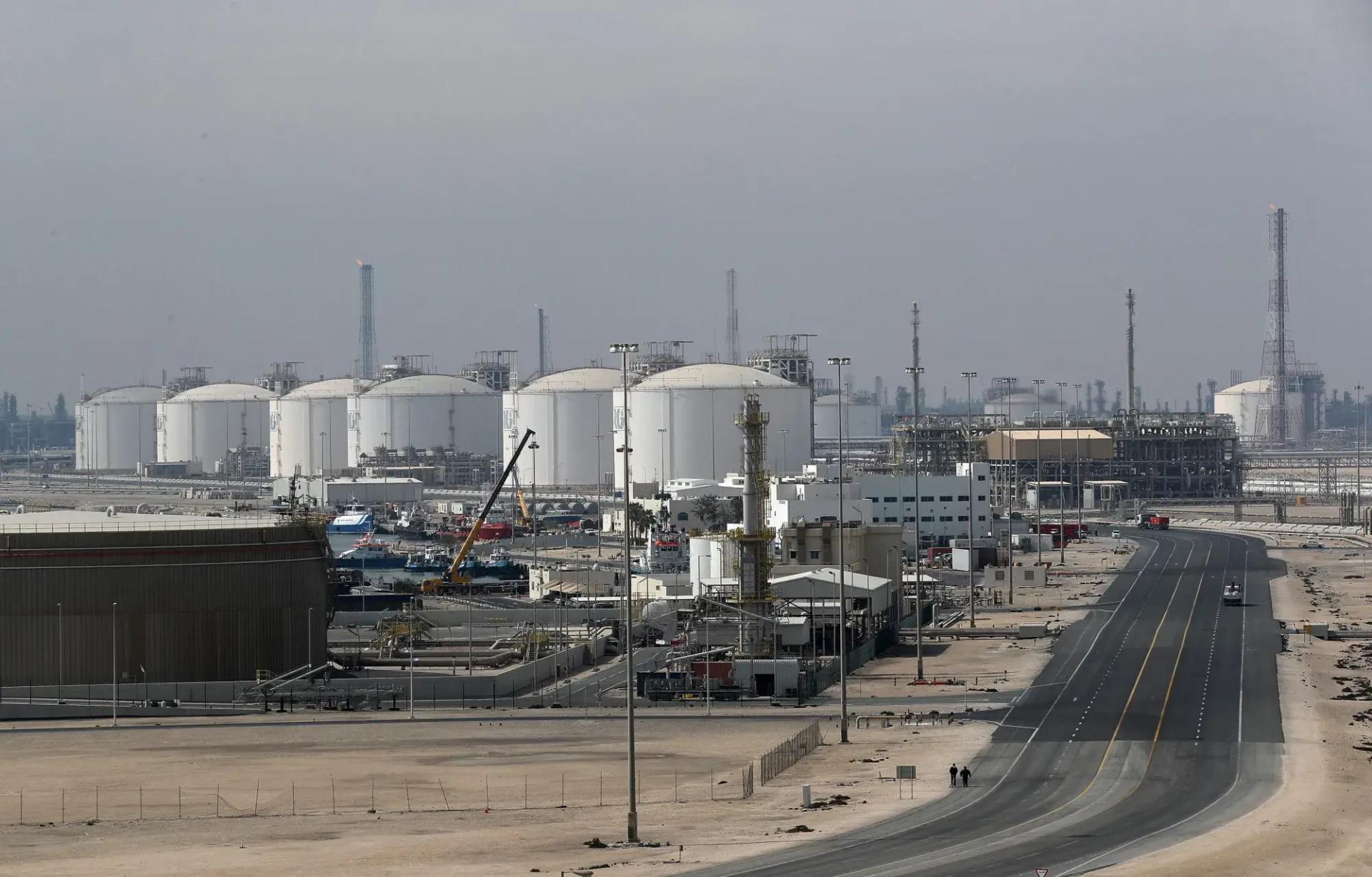
Ras Laffan Industrial City represents a critical global energy infrastructure asset, serving as Qatar's principal gas production hub and the world's largest liquefied natural gas (LNG) export facility. According to energy consulting firm Kpler data, Qatar accounts for nearly 20% of global LNG exports, with Ras Laffan housing key facilities including ORYX GTL and Pearl GTL plants, QatarEnergy LNG plants, the Dolphin gas processing plant, and the Laffan Refinery. The industrial city also features Ras Laffan Port, described as 'the largest artificial harbour in the world and home to the world's largest LNG export facility.'
The strategic significance of this facility extends beyond Qatar's borders, as it represents a vital component of global energy supply chains. QatarEnergy, formerly known as Qatargas, operates 14 trains with a total capacity of 77 million tonnes per annum, making any disruption to its operations potentially impactful on international energy markets.
Qatari Condemnation
Qatar strongly condemned the Iranian attack as a 'blatant Iranian attack targeting Ras Laffan Industrial City, which caused fires resulting in significant damage to the facility.' In a formal statement, the Qatari Ministry of Foreign Affairs characterized the incident as 'a dangerous escalation, a flagrant violation of state sovereignty, and a direct threat to its national security and regional stability.'
“The State of Qatar expresses its strong condemnation and denunciation of the blatant Iranian attack targeting Ras Laffan Industrial City, which caused fires resulting in significant damage to the facility.”
Despite Qatar's stated policy of 'distancing itself from this war since its outset and its commitment to avoiding any escalation,' the ministry accused Iran of 'continuing to target it and neighboring countries in an irresponsible approach that undermines regional security and threatens international peace.' Qatar reiterated its calls for the protection of civilian and energy facilities across the region, citing UN Security Council Resolution 2817, and explicitly reserved 'the right to respond in accordance with Article 51 of the United Nations Charter and the right to self-defence as guaranteed by international law.'
Retaliation Context
The Iranian attack on Qatar's Ras Laffan facility came directly in retaliation for Israeli strikes on Iran's South Pars gas field, described as 'the world's largest natural gas field, shared between Iran and Qatar in the Persian Gulf.' Iran's Supreme Leader Mojtaba Khamenei had vowed revenge for Israel's killing of top Iranian security official Ali Larijani, declaring that 'the criminal murderers of these martyrs will soon have to pay.'
Iranian President Masoud Pezeshkian had previously warned that the Israeli attack on Iran's South Pars gas field could unleash 'consequences beyond control,' stating that 'the situation could lead to consequences beyond control, the scope of which would engulf the entire world.' This cycle of retaliation reflects the broader regional tensions, with Iran's Islamic Revolutionary Guard Corps having explicitly threatened to expand its retaliatory strikes and 'cripple economic hubs across the Middle East region' if the United States and Israel sustained their attacks on Iranian territory.
Market Impact
The attack on Ras Laffan had immediate implications for regional security and global energy markets.
“U.S. West Texas Intermediate crude was up about 4% at $100.04. Iran's Revolutionary Guard had threatened to attack energy facilities in Qatar, Saudi Arabia and the United Arab Emirates after Israel bombed a natural gas processing facility in Iran.”
Saudi Arabia's Defense Ministry confirmed that ballistic missiles launched toward the city of Riyadh were intercepted and destroyed, while multiple explosions were reported in Dubai's Al Qusais Industrial Area.
The heightened security threats prompted Qatar's Ministry of Interior to send mobile alerts to residents warning of an 'elevated' security threat and urging them to stay indoors.
Financial markets reacted strongly to the news, with U.S. West Texas Intermediate crude oil surging about 4% to $100.04 per barrel.
Citigroup analysts warned that Brent prices could average $130 in the second and third quarter if there are broad attacks on energy infrastructure and the Strait of Hormuz remains closed for a prolonged period.
The Strait of Hormuz, through which about 20% of world oil supplies pass before the war, has seen oil tanker traffic plummet due to Iranian attacks on commercial ships, creating significant supply chain disruptions.