Iran Strikes Ras Laffan, Habshan After Israeli Gas Field Attack
Key Takeaways
- Iranian missiles strike Ras Laffan LNG hub in Qatar following Israeli Pars gas field attack.
- Authorities reported no injuries or casualties from Ras Laffan strike.
- Global energy markets rose as oil and LNG prices spiked following the attack.
Conflict Escalation
The Iran-Israel conflict escalated dramatically on March 18-19, 2026, as Iran retaliated for Israeli strikes on its South Pars gas field by attacking critical energy infrastructure across the Gulf region.
“bases and multiple Gulf nations”
After Israel targeted Iran's massive South Pars natural gas field—shared with Qatar and representing the world's largest gas deposit—Iran launched missile strikes against Qatar's Ras Laffan Industrial City, Saudi Arabia's energy facilities, and the UAE's Habshan gas complex.

The Israeli attack on South Pars was widely reported to have been carried out with U.S. consent, though neither country acknowledged responsibility immediately.
Qatar's foreign ministry blamed Israel for targeting facilities linked to Iran's South Pars field, calling it a "dangerous and irresponsible" step that threatened global energy security.
The UAE joined in condemning the Israeli strike as a "dangerous escalation," highlighting how the conflict was expanding beyond traditional military targets to threaten the region's economic infrastructure.
Qatar Ras Laffan Strike
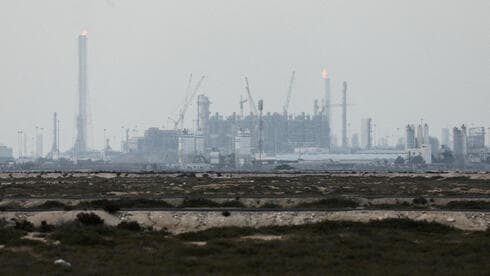
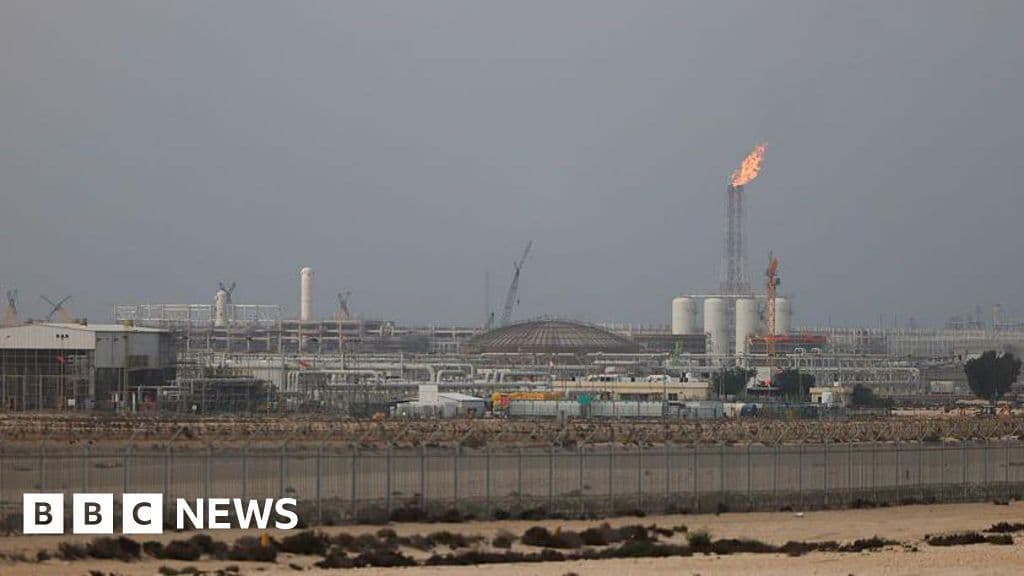
Iran's retaliation focused specifically on Qatar's Ras Laffan Industrial City, home to the world's largest LNG export terminal, causing extensive damage and fires.
QatarEnergy confirmed that "extensive damage" had been caused by missile attacks, with emergency response teams deployed immediately to contain the resulting fires.

The facility accounts for approximately 20% of global LNG supply, making it a critical hub for energy markets across Europe, Asia, and beyond.
Qatar's Ministry of Interior reported that civil defense personnel brought the fires under control with no injuries reported, though significant infrastructure damage occurred.
In response to the attack, Qatar declared Iran's military and security attaches "persona non grata" and ordered them to leave the country within 24 hours, citing repeated attacks and violations of sovereignty.
The Qatari Foreign Ministry condemned the strike as a "brutal Iranian attack" that represented a "direct threat to its national security and the stability of the region."
Saudi Arabia & UAE Strikes
Simultaneously with the Qatar attack, Iran targeted energy infrastructure in Saudi Arabia and the United Arab Emirates, with Saudi authorities intercepting four ballistic missiles launched toward Riyadh and destroying drones attempting to attack gas facilities in the kingdom's Eastern Province.
“28, according to Turkish authorities”
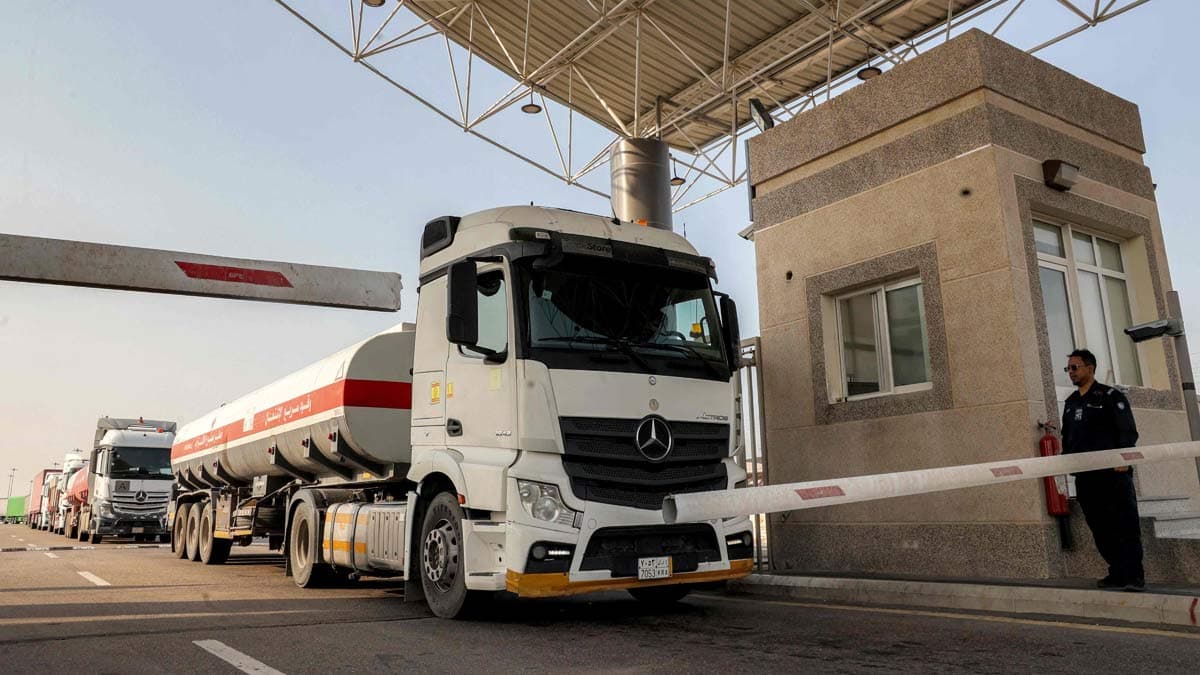
In the UAE, the Habshan gas facility and Bab oil field were targeted, with authorities reporting that operations were suspended due to falling debris from successful missile interceptions.
The UAE's Ministry of Foreign Affairs condemned the attacks as dangerous escalations that threatened global energy security.
Saudi Arabia's Foreign Minister Prince Faisal bin Farhan expressed outrage, stating that "what little trust there was before has completely been shattered" and promising to use "every lever we have—political, economic, diplomatic and otherwise—to get these attacks to stop."
The attacks came as Saudi Arabia was hosting a meeting of foreign ministers from Arab and Islamic countries in Riyadh, with the strikes occurring near the venue where diplomatic discussions were taking place.
Global Market Impact
The attacks on Gulf energy infrastructure triggered immediate and severe consequences in global energy markets, with Brent crude prices surging past $110 per—a daily gain of over 7%—and European natural gas prices climbing approximately 10%.
Analysts warned that the disruption represented a systemic threat to global energy supply stability, with Ras Laffan alone accounting for 20% of the world's LNG exports.

The escalation marked a dangerous shift in the conflict from military objectives to economic warfare, with Iranian officials explicitly targeting "energy lifelines" of their rivals.
U.S. President Donald Trump responded with a stark warning, threatening to "massively blow up the entirety of the South Pars Gas Field" if Iran attacks Qatar's LNG facilities again.
Meanwhile, French President Emmanuel Macron called for an immediate moratorium on strikes targeting civilian infrastructure, particularly energy and water supply facilities, to protect global energy security.
The attacks came amid broader economic fallout, with Asian stock markets opening sharply lower and diesel prices in the U.S. rising above $5 per gallon for the first time since the 2022 inflation surge.
Strategic Escalation
The strategic shift toward energy infrastructure attacks represents a dangerous escalation in the Iran-Israel conflict that began with Operation Epic Fury on February 28, 2026, which killed Iran's leadership including Supreme Leader Ali Khamenei.
“'Extensive damage' at Qatar industrial site as Iran retaliates for gas field attack Qatar has reported "extensive damage" at a major energy industry site, the UAE said operations at a gas facility had been halted and Saudi Arabia said it had intercepted drones and ballistic missiles as Iran retaliated for a strike on a key gas field”
Over the following three weeks, the conflict has transformed from a regional regime-change effort into a systemic threat to global energy stability.
Iranian officials have explicitly framed the attacks as economic warfare, with the IRGC vowing to continue targeting energy infrastructure "until it is completely destroyed" and promising "a much more severe" response to any future strikes.
The targeting of shared energy resources like South Pars/North Field underscores the complexity of the conflict, as Iran's retaliation directly impacts Qatar despite Qatar's neutrality and diplomatic efforts to maintain working relationships with Tehran.
The attacks have also drawn international condemnation from countries not directly involved in the conflict, with the UAE, Oman, and Qatar all expressing concern about the dangerous escalation and its implications for regional stability and global energy security.
More on Iran

Israel strikes Iran's Pars gas field as Tehran vows revenge
14 sources compared
Trump threatens to blow up South Pars gas field if Iran attacks Qatar again
10 sources compared
UAE Halts Habshan Gas Facility Operations After Debris From Intercepted Missiles
10 sources compared

Iran Threatens Gulf Energy Facilities After Israel Strikes South Pars Gas Field
11 sources compared