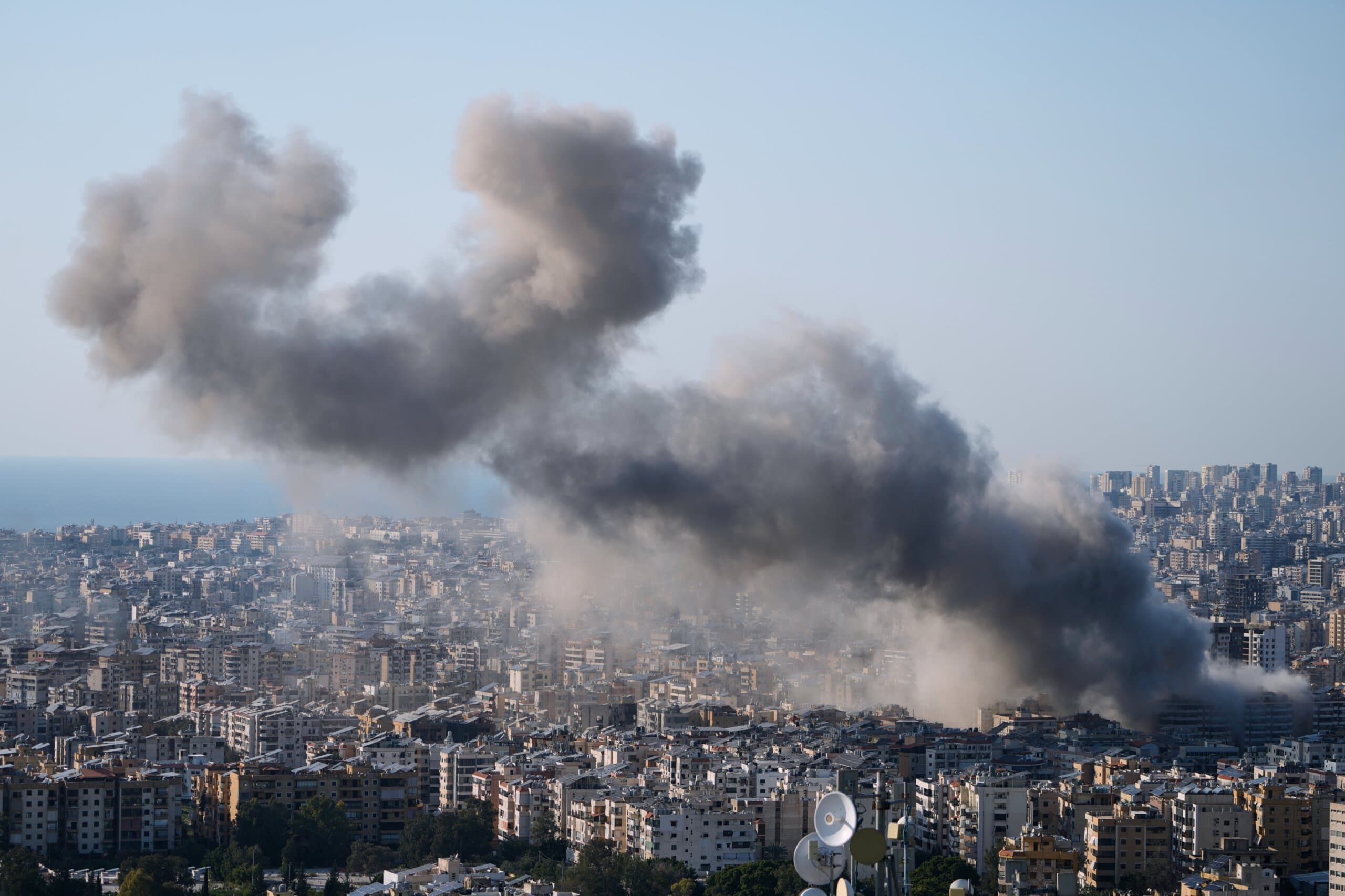
Iran Attacks Ships in Strait of Hormuz, Choking 40% of Global LPG Supply
Key Takeaways
- Iran's actions have blocked the Strait of Hormuz, halting normal shipping.
- Strait disruption is driving global fuel price increases and energy supply concerns.
- Iran vowed to prevent oil exports, while U.S. escorts have not restored normal shipping.
Blockade and attacks
Attacks in the Strait of Hormuz have escalated into a de facto blockade that is choking critical energy flows and hitting maritime traffic.
“Iran war has blocked the Strait of Hormuz, a vital oil choke point”
Three ships were attacked in the Strait of Hormuz on Wednesday, a British navy-run monitoring service said, and reporters note that “As Iran targets ships with missiles and drones, even attempting to navigate the strategic waterway is currently unthinkable.”
The waterway off Iran’s coast, now effectively closed, is so vital for the global economy that governments are working on blueprints to speedily reopen it when the shooting stops.
The blockade at the Strait of Hormuz following the escalating conflict in the Middle East has disrupted 40% of the global LPG supply.
Economic impact
The economic fallout is immediate and severe: energy markets and Asian petrochemical users are already seeing major disruptions.
Gasoline prices are rising largely because of the Iran war’s impact on the Strait of Hormuz.
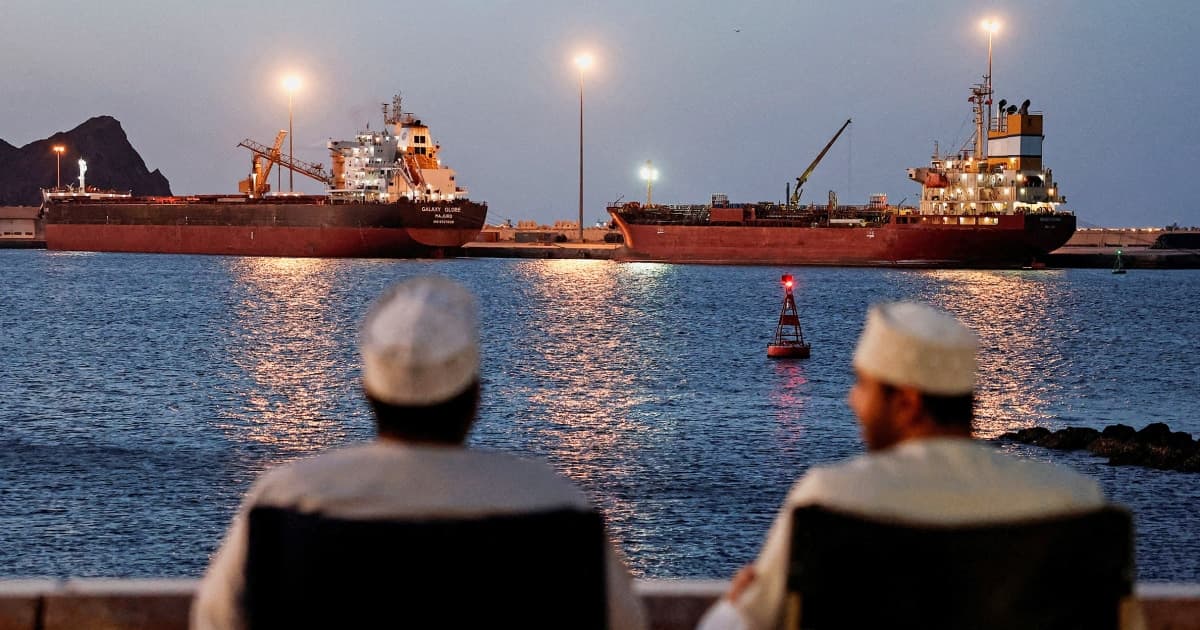
Hellenic Shipping News reports the disruption is particularly significant for Asian countries where LPG is a key residential fuel.
Market anxiety has been acute, with warnings that prices could spike—“Get ready for oil to be $200 a barrel,” Iran warned—prompting the International Energy Agency to say that 400 million barrels of oil would be released from emergency reserves in an effort to stabilize the market.
Shipping risks
Maritime operations face acute safety, legal and insurance problems as the strait’s narrow lanes leave vessels vulnerable and many shipowners pause movement.
“Three ships were attacked in the Strait of Hormuz on Wednesday, a British navy-run monitoring service said, the latest in a flurry of attacks on the vital oil choke point”
Traffic is down 90% amid the crisis, with hundreds of ships at anchor off the coasts of major oil exporters.
"In all, 13 ships have been hit in the strait since U.S. and Israeli strikes sparked the war Feb. 28," according to monitoring data.
Experts warn the threat environment includes missiles, drones and the risk of mines, even as Britain’s Joint Maritime Information Center said that "There remains no confirmed evidence of mine deployment or detonation in regional shipping lanes."
Government responses
Governments and navies are already considering responses but options are constrained by the danger of intervening while fighting persists.
In Europe, French President Emmanuel Macron is leading an international effort to unblock the energy choke point, envisioning warship escorts when "circumstances permit,"
Former naval officers say that in the current conditions "sending warships or civilian vessels into the Strait of Hormuz would be suicidal."
President Donald Trump said on Wednesday that the United States had destroyed 28 ships capable of laying mines and warned of harsher responses if Iran disrupts the route further.
Environmental damage risk
Beyond immediate commerce, observers warn of long-term environmental and downstream industrial damage if the attacks continue.
“campaign of airstrikes in Iran is now in its 12th day with no end in sight”
The threats to oil tankers are also an “ecological ticking time bomb,” according to Greenpeace Germany, which simulated a potential oil spill and found such an event could threaten sensitive ecosystems including coral reefs, mangrove forests and seagrass meadows.
Hellenic Shipping News highlights that Asian petchem industries are already taking a serious blow as VLGC movements change.
More on Iran
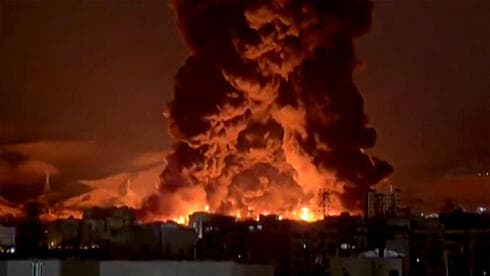
US obliterates military targets on Iran’s Kharg Island, Trump warns
13 sources compared

US Deploys About 2,500 Marines to Middle East After Iran Attacks Gulf Shipping
33 sources compared
FBI Warns of Iranian Drone Plot Based on Unverified Tip; California Says No Credible Threat
10 sources compared

White House Demands ABC Retract Report Claiming Iran Sought To Launch Drone Attacks On California
11 sources compared