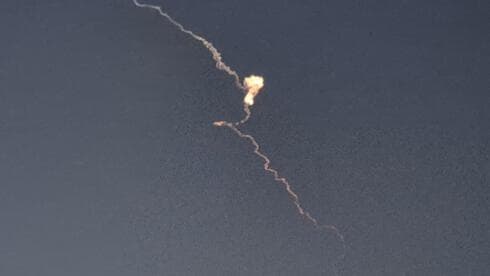
Iran Attacks Tel Aviv With Fragmentation Missiles
Iran strike on Israel
Iran carried out a strike on central Israel, launching fragmentation and ballistic missiles that struck parts of Tel Aviv and surrounding areas and triggered widespread air-raid alerts.
“Israel is facing a direct shock after Iran launched a series of fragmentation missiles at Tel Aviv and its surroundings, while the military authorities were forced to modify the method of missile interception, delay warnings, and restart civilian Israeli airlines under strict restrictions”
Al-Jazeera reported that Iran launched fragmentation missiles at Tel Aviv and nearby areas, striking central parts of the city, causing injuries and damage and forcing Israel to alter its missile-defense procedures and rules of engagement.

Ynetnews recorded that air-raid sirens sounded across large parts of Israel Saturday evening after missiles were launched from Iran and additional rockets were fired from Lebanon, sending millions into shelters.
The Jerusalem Post said that on Sunday afternoon fragments from intercepted Iranian ballistic missiles rained down over the Gush Dan area of central Israel, wounding at least seven people, one in serious condition, authorities said.
Casualties and operational impact
The attacks caused both physical injuries and panic-related harms, and Israeli emergency services treated multiple people for wounds and for anxiety while rushing to shelters.
The Jerusalem Post reported that Magen David Adom said those treated included a 40-year-old man in serious condition, a 25-year-old in moderate condition, and a 56-year-old with light injuries.
Ynetnews noted that there were no direct casualties from the main strikes, though Magen David Adom treated several people injured while rushing to shelters and others for anxiety.
Al-Jazeera emphasised the damage and operational impact, saying the strikes caused injuries and damage and forced Israel to alter its missile-defense procedures and rules of engagement.
The Jerusalem Post's casualty details appear to contrast with Ynetnews's statement that there were no direct casualties from the main strikes.
Israel air-defence strains
Officials described new technical and procedural strains on Israel’s air-defence system.
“Air-raid sirens sounded across large parts of Israel Saturday evening after missiles were launched from Iran and additional rockets were fired from Lebanon, sending millions of residents into shelters”
They said early warnings shrank from around seven minutes to only seconds before impact.
Al-Jazeera reported that air-raid sirens sounded in Tel Aviv, Jerusalem and settlements in the West Bank, but early warnings arrived only seconds before impact rather than the roughly seven minutes previously available, creating new challenges for Israel’s defenses.
Al-Jazeera also said Israeli authorities modified interception methods, delayed warnings and resumed civilian flights to bring stranded Israelis home under strict conditions requiring departing passengers to sign a pledge not to return for 30 days.
Ynetnews reported that the central barrage included a cluster-type missile that breaks into multiple projectiles, and videos showed bright objects in the sky during interception attempts.
Domestic impacts of strikes
The strikes prompted broad domestic measures and disruptions: sirens and sheltering affected millions, schooling and public-gathering rules were adjusted, and emergency services and firefighters responded to multiple fragment-impact sites.
The Jerusalem Post said "Sirens sounded repeatedly across the country, sending millions into bomb shelters as Operation Roaring Lion entered its second week."
It also reported that "Firefighters were working at two main fragment-impact sites where a missile had dispersed multiple cluster munitions."
Al-Jazeera noted measures around travel, reporting that Israeli authorities "resumed civilian flights to bring stranded Israelis home under strict conditions — departing passengers must sign a pledge not to return for 30 days."
Iranian strikes and responses
Tehran framed the strikes as retaliatory and signalled potential escalation.
“At least seven people were wounded, with one in serious condition, on Sunday afternoon after fragments of Iranian ballistic missiles showered down over the Gush Dan portion of central Israel, according to the Israel Police and rescue services”
Iranian officials publicly threatened stepped-up attacks and said they would increase missile and drone operations while asserting the right to respond to strikes on Iranian territory.
Al-Jazeera reported that in Tehran, Iranian military and political officials publicly threatened stepped-up attacks in response to Israeli strikes, saying they would double the use of heavy missiles and increase drone operations by about 20%.
The outlet added that Iran's president and foreign minister said Tehran reserves the right to respond to attacks on its territory but would respect the sovereignty of neighboring states.
The Jerusalem Post provided operational context, noting that though Israeli and U.S. efforts have reduced Iran's daily missile launches from roughly 100 to about 10, this was the fourth major home-front strike.
ynetnews recorded that the barrage coincided with additional rockets fired from Lebanon, underscoring the multi-front pressure Israel faced.
Key Takeaways
- Iran launched fragmentation/cluster ballistic missiles toward Tel Aviv and central Israel
- Air-raid sirens blared across Tel Aviv, Jerusalem and parts of the West Bank
- Missile fragments showered over the Gush Dan metropolitan area
More on Iran-Israel

Israel Bombs Tehran Oil Depots, Blankets Capital With Toxic Black Smoke and Oil Rain
11 sources compared

U.S. and Israel Kill Iran's Supreme Leader, Trigger Regional War
49 sources compared

Iran Kills Seventh U.S. Service Member After Attack on Saudi Military Base
16 sources compared
Bahrain Says Iran Struck Desalination Plant, Threatening Gulf Drinking Water
22 sources compared