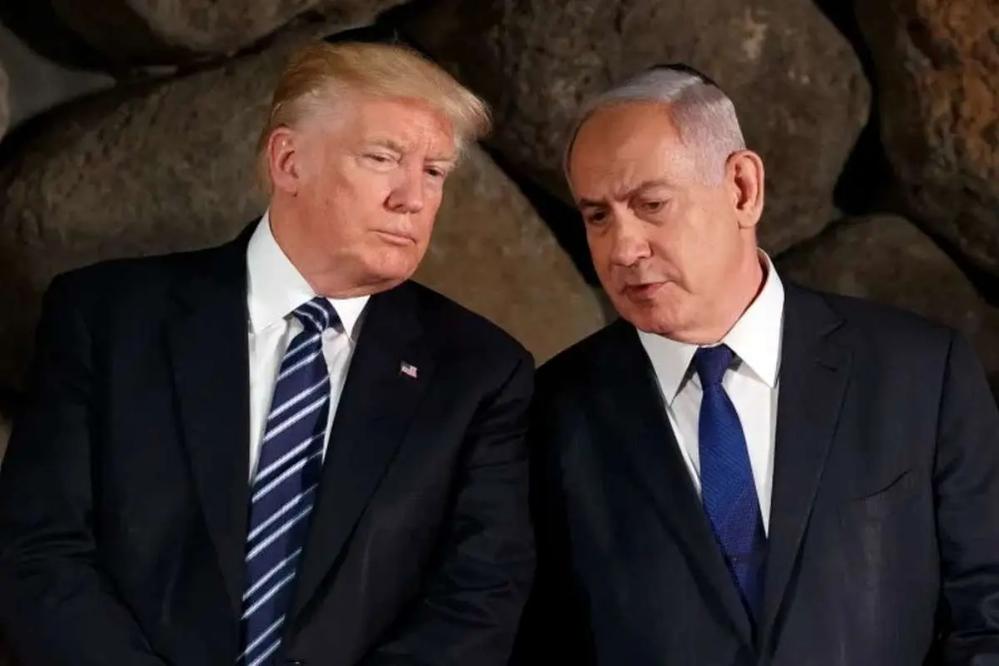
Iran Attacks U.S. Destroyers in Strait of Hormuz, Threatening U.S.-Iran Ceasefire
Key Takeaways
- Iran launched missiles and drones at UAE and attacked ships in the Strait of Hormuz.
- U.S. sinks Iranian boats and shoots down missiles and drones in Strait of Hormuz.
- Ceasefire between U.S. and Iran imperiled amid continued Hormuz strikes.
Ceasefire under strain
A sharp escalation in attacks in the Strait of Hormuz and the Persian Gulf on Monday threatened the “shaky ceasefire between Iran and the United States,” as two U.S. destroyers and two merchant vessels came under attack during transits, according to Adm. Brad Cooper, head of U.S. Central Command.
“President Donald Trump announced "major combat operations" against Iran on Feb”
The Washington Post reported that Iran fired “cruise missiles and drones” at the U.S. naval and commercial vessels but “did not land any hits,” and that Iran also sent “six fast boats” after the commercial ships.

The same report said U.S. forces fired on and destroyed the vessels, while Cooper would not say whether the exchange meant the ceasefire was over.
In a separate incident, President Donald Trump said Iran hit a South Korean tanker in the strait, and the Washington Post included Trump’s post urging South Korea to join the mission.
The BBC likewise said Trump stated the U.S. struck seven Iranian “fast boats” in the Strait of Hormuz as strikes escalated on Monday, while Iran continued to insist the strait was closed.
ABC News reported Trump told Jonathan Karl that it was “not heavy firing” and stopped short of saying the ceasefire had been violated.
Across the reporting, the key point of contention remained whether the violence meant the April ceasefire had collapsed, with Iran and the U.S. offering different characterizations of the same incidents.
Project Freedom and the attacks
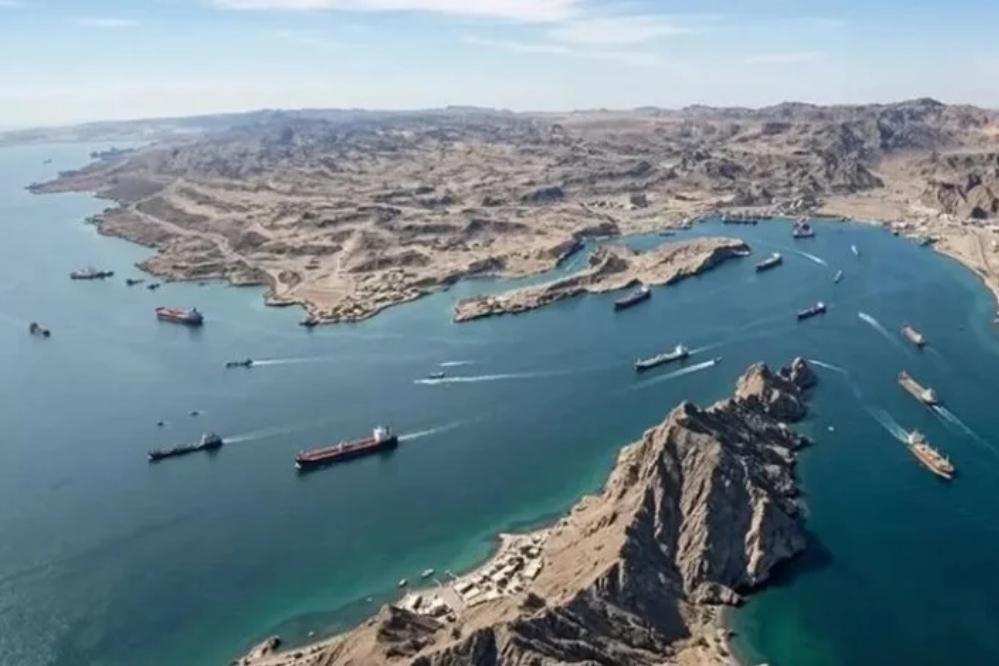
The escalation unfolded as the U.S. pressed forward with “Project Freedom,” a naval effort described as guiding merchant vessels through the Strait of Hormuz after Iran’s de facto blockade slowed traffic.
The Washington Post said the mission included “guided-missile destroyers,” “more than 100 Navy and Air Force warplanes,” “drones,” “satellite imagery” and “more than 15,000 personnel,” with Central Command describing it as a way to reopen the strait for commerce.
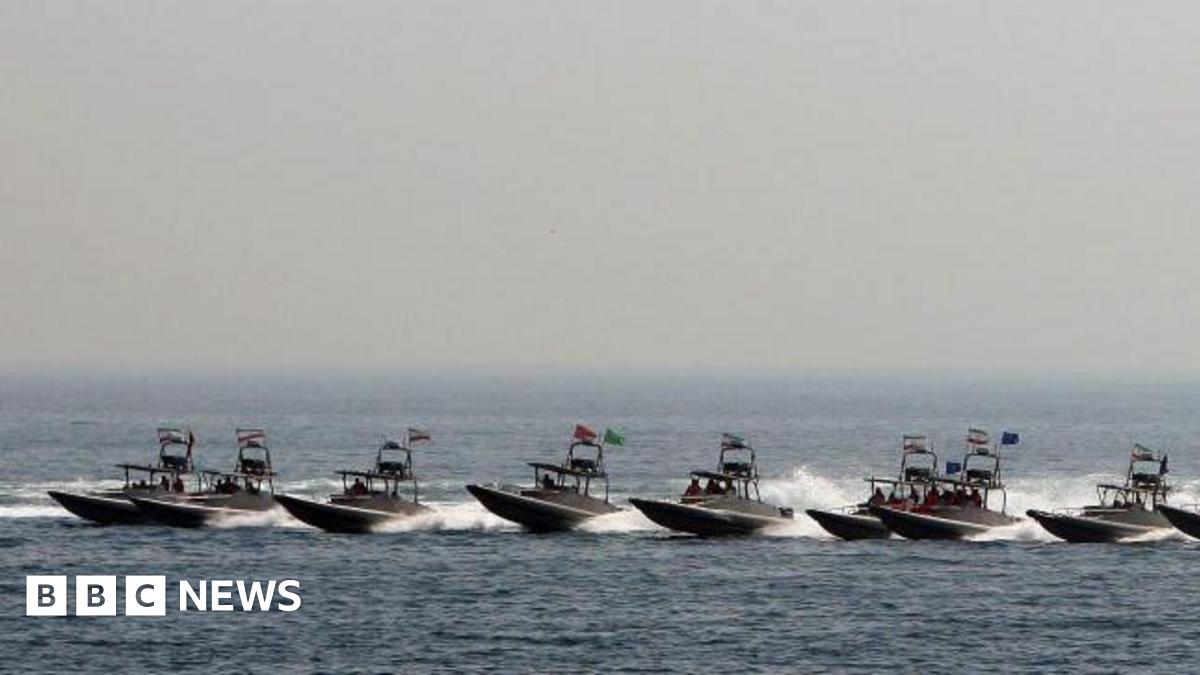
It also reported that two U.S. destroyers passing through Monday were “not escorting the commercial vessels” but were instead “moving through the waterway to clear it for traffic.”
The New York Times reported that U.S. warships “shot down missiles and drones” aimed at ships the Navy was guiding through the strait, and that Army Apache helicopter gunships “also sank six Iranian military speedboats.”
NPR similarly said the U.S. fired on Iranian forces and “sank six small boats targeting civilian ships” as it moved to reopen the strait, and it quoted Adm. Brad Cooper saying the U.S. had opened “a passage through the Strait of Hormuz to allow for the free flow of commerce.”
In parallel, the UAE reported attacks and air-defense engagements, with the BBC saying the UAE said its defenses engaged “15 Iranian missiles and four drones” on Monday.
The New York Times added that the UAE blamed Iran for a drone attack that caused a fire in the “Fujairah Oil Industry Zone,” described as the “largest oil storage area in the Emirates.”
UAE, Oman, and the human toll
While the U.S. and Iran traded claims about the strait, the reporting also centered on attacks described by the United Arab Emirates and injuries described by regional authorities.
“President Donald Trump says the US has struck seven Iranian "fast boats" in the Strait of Hormuz, as strikes in the vital waterway for global shipping escalated on Monday”
The New York Times said the Emirati authorities blamed Iran for a drone attack that caused a fire in the “Fujairah Oil Industry Zone,” and it described the assault as the “first such assault since a cease-fire was reached in early April.”
It also said that in neighboring Oman, “two people were injured” by an attack in “Bukha, near Emirati territory,” citing an Omani state news agency.
ABC News reported that the UAE’s Ministry of Defense said its air defense systems engaged “12 ballistic missiles, three cruise missiles and four drones” launched from Iran on Monday, and that the attacks resulted in “three moderate injuries.”
CNBC likewise said the UAE’s Defense Ministry reported its air defenses were dealing with missile attacks and incoming drones, and later said its defense systems engaged “12 ballistic missiles, three cruise missiles and four drones,” with “three ‘moderate injuries.’”
Axios reported that the UAE said the attacks injured “three people, all of Indian nationality,” and said the UAE held “Iran fully responsible for these treacherous attacks and their consequences.”
NPR added that authorities in Fujairah said one drone sparked a fire at a key oil facility and “wounding three Indian nationals,” and it also said the British military reported “two cargo vessels ablaze off the UAE.”
Competing narratives and quotes
As the violence played out, the sources captured sharp, competing narratives from U.S. officials, Iranian officials, and regional governments.
The Washington Post quoted Adm. Brad Cooper saying Iran fired “cruise missiles and drones” but “did not land any hits,” and it described his refusal to say whether the exchange meant the ceasefire was over.

The New York Times quoted Cooper saying U.S. warships “shot down cruise missiles and drones” and that “none of the Navy ships or commercial tankers were damaged,” while also describing the exchange as threatening to “shatter a fragile three-week cease-fire.”
Iran’s Foreign Minister Abbas Araghchi, quoted by CBS News, said “Events in Hormuz make clear that there's no military solution to a political crisis,” and he added that “Project Freedom is Project Deadlock.”
The Washington Post included a warning from the head of the Islamic Revolutionary Guard Corps, saying “The Strait of Hormuz will not be opened by the tweet of the President of the United States; the management and control of this waterway is in the hands of Iran,” attributed to Ahmad Vahidi.
ABC News included Iran’s Foreign Ministry spokesperson Esmail Baghaei saying Iran had “no animosity” toward Gulf states but “had to defend” itself, and it quoted him: “The only reason we have to target their territories is simply because we had to defend ourselves against an act of aggression by the United States and Israel.”
The UAE’s Foreign Ministry said in a statement on X that “These attacks represent a dangerous escalation and an unacceptable violation,” and it added that the UAE “reserves its full and legitimate right to respond to these attacks.”
Diplomacy, markets, and next steps
The escalation carried immediate diplomatic and economic implications, with the U.S. and Gulf allies moving toward new measures even as the ceasefire’s status remained unclear.
“An already shaky ceasefire between the United States and Iran appeared to be on the verge of collapse Monday, as the United Arab Emirates came under attack from Iranian drones and missiles and the U”
CBS News reported that Iran said it received a U.S. response to its “latest 14-point peace proposal,” which it said was aimed at ending the war rather than extending the current ceasefire, and it said Trump would likely reject the proposal because “they have not paid a big enough price.”
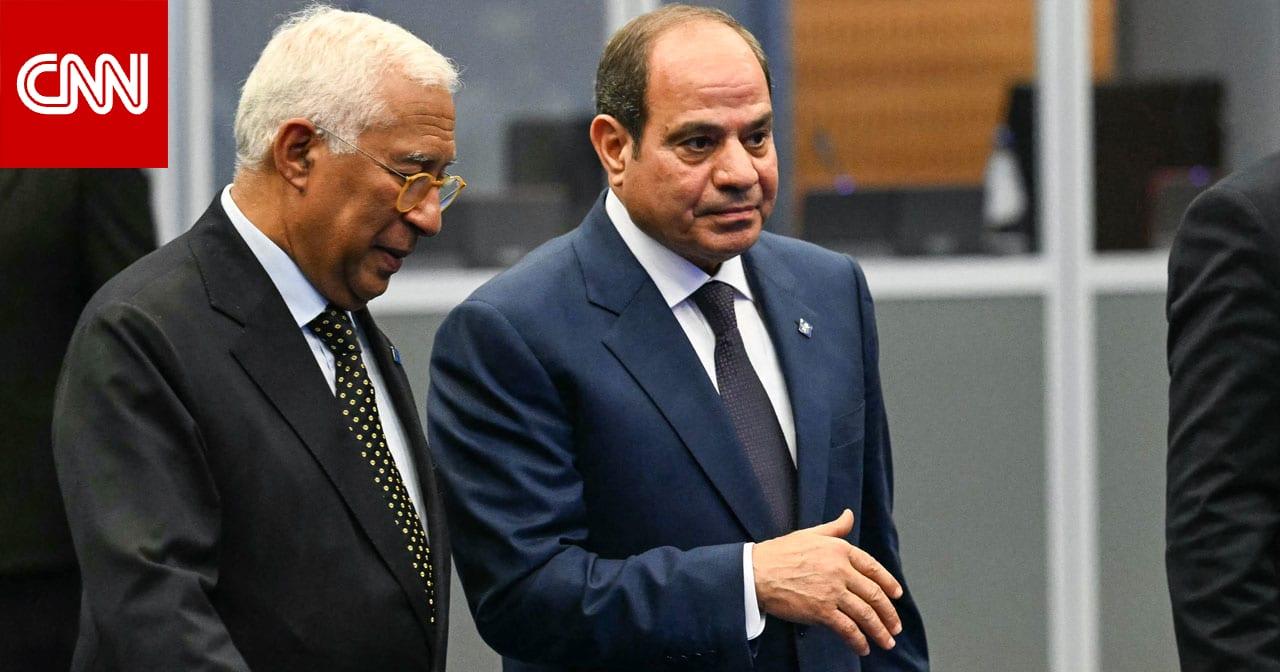
The Washington Post said the U.S. was reaching out to “the hundreds of vessels, representing 87 countries” in the Persian Gulf to help them get through the strait, and it described the U.S. naval blockade of Iranian ports as remaining in place.
It also said the Trump administration was moving forward with further military action to reopen the strait, including an effort between the State Department and international partners to increase information sharing on security in the waterway.
NPR said the U.S.-led Joint Maritime Information Center advised ships to cross the strait in Oman’s waters and set up an “enhanced security area,” and it quoted Cooper saying U.S. commanders had authority to defend commercial shipping.
The BBC reported that the U.S. and Gulf states were proposing a diplomatic measure for safe passage, with U.S. Ambassador to the U.N. Mike Waltz telling reporters the U.S. would co-draft a Security Council resolution with Bahrain and Gulf allies to “hold Iran to account.”
DW reported that oil prices rose as Hormuz tensions escalated, saying Brent Crude was “just over $114” per barrel and West Texas Intermediate was “roughly $105 per barrel,” compared with lower prices at the start of the day.
More on Iran

U.S. Sinks 7 Iranian Boats as Iran Launches Missiles and Drones at UAE
10 sources compared
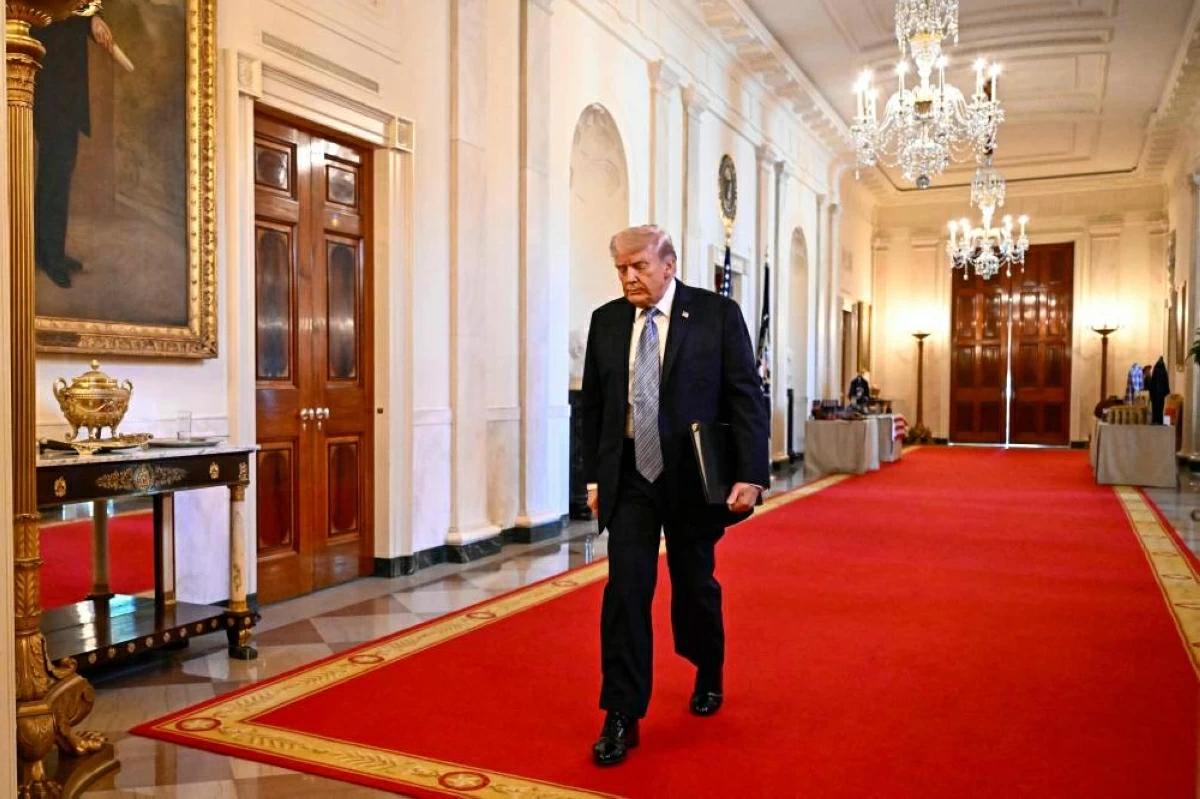
US Guided-Missile Destroyers Open Strait of Hormuz Route After Iran Fires Missiles and Drones
32 sources compared
Trump Threatens Iran Over Strait Of Hormuz As Project Freedom Guides Ships
21 sources compared

Trump Threatens Iran After U.S. Operation Targets Drones and Small Boats in Strait of Hormuz
19 sources compared