Iran Attacks U.S. Embassy in Baghdad with Drones
Key Takeaways
- Drones and rockets targeted the U.S. Embassy in Baghdad, triggering fires and explosions.
- Air defenses shot down two drones; a third hit the outer wall.
- Four people were killed at a house hosting Iranian advisers in Baghdad.
Attack Details
Multiple sources confirm that rockets and at least five drones were launched at the U.S. embassy in Baghdad early Tuesday morning from areas around the city.
“BREAKING Many killed as Israel bombs central Beirut, south LebanonQatar, Kuwait, UAE, Saudi Arabia intercept missiles, dronesIran launches 'revenge' attacks on Israel, kills 2, causes extensive damage Click to pause breaking news tickerpause-square-backgroundClose Breaking News Tickerclose Toggle Play Drone attacks hit near US embassy in Baghdad Fires have broken out in Baghdad’s Green Zone after a drone swarm, believed to have been launched by groups aligned with Iran”
Iraqi security sources described the attack as the most intense since the start of the U.S.-Israel war with Iran.

According to a Reuters witness, at least three drones were seen heading toward the embassy.
The C-RAM air defense system successfully shot down two of them while a third struck inside the embassy compound.
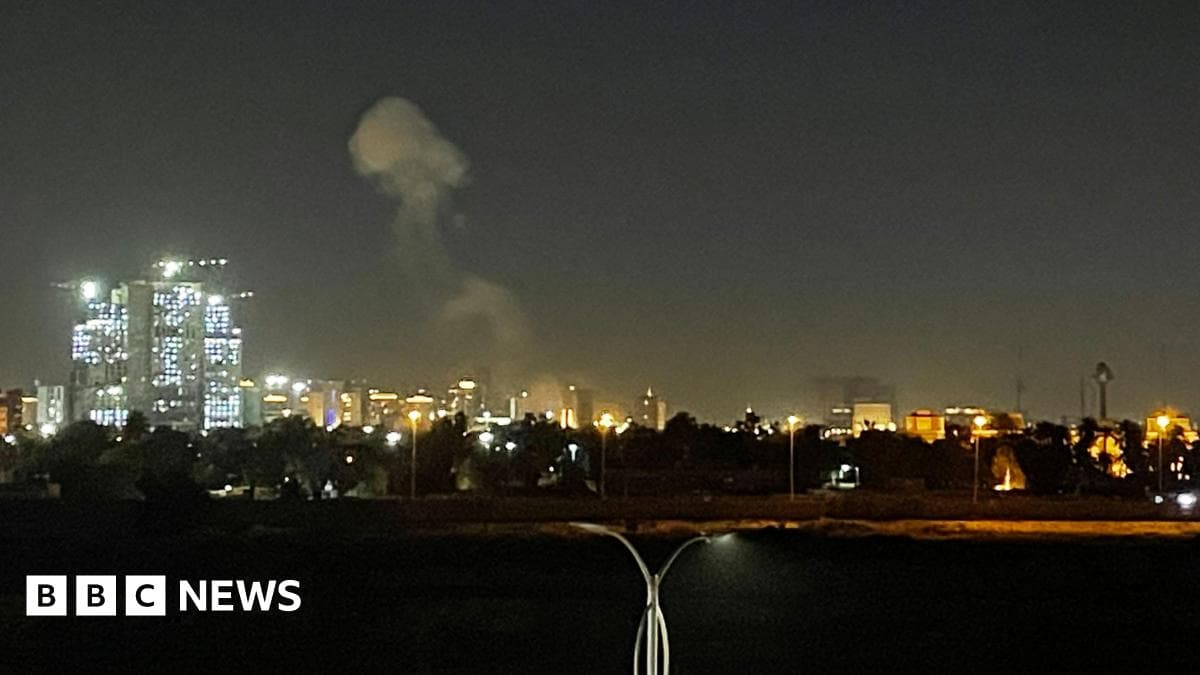
The strike caused fire and smoke to rise from the embassy compound.
An explosion was also heard in the Iraqi capital, and U.S. embassy mobile phones were switched off when Reuters sought comment.
The attack resulted in visible damage to the embassy compound, though initial reports suggested no immediate casualties among personnel.
Anadolu Agency reported that three explosive-laden drones targeted the embassy compound.
Air defense systems intercepted two mid-air while the third struck an outer wall, triggering a fire in the vicinity.
Conflict Context
The attack on the U.S. embassy occurred amid escalating tensions following the U.S.-Israeli offensive against Iran that began on February 28.
Iran-backed Iraqi militias have been stepping up operations in retaliation for the war.

The Islamic Resistance in Iraq, an umbrella group linked to Iran-backed militias, has been actively targeting U.S. interests since the conflict's inception.
Security sources have pointed to these factions as likely perpetrators of the drone and rocket strikes.
This latest incident represents a significant escalation in the proxy conflict between Washington and Tehran.
Iran has retaliated against U.S.-Israeli strikes by launching missile and drone attacks targeting Israel as well as locations in Jordan, Iraq and Gulf countries.
The attack comes after Iran-aligned group Kataeb Hezbollah announced the death of its senior commander Abu Ali al-Askari.
Popular Mobilization Forces reported that air strikes killed at least eight of its fighters in the Iraqi town of al-Qaim near Syria.
The ongoing violence demonstrates Iraq's fragile security landscape as it becomes increasingly entangled in the broader regional conflict.
Security Response
In the immediate aftermath of the attack, Iraq's prime minister condemned the strikes on government and diplomatic sites.
“Fire erupts near US Embassy in Iraqi capital after drone attack Air defenses intercept 2 drones as third reportedly strikes outer wall, sparking blaze near compound BAGHDAD A fire broke out Tuesday evening near the US Embassy in the Iraqi capital Baghdad following a drone attack, an Anadolu correspondent reported”
The prime minister ordered security forces to pursue those responsible for the attacks.
The State Department indicated it was coordinating with Iraqi authorities to protect U.S. personnel and facilities.
Iraqi security forces were deployed across parts of the capital.
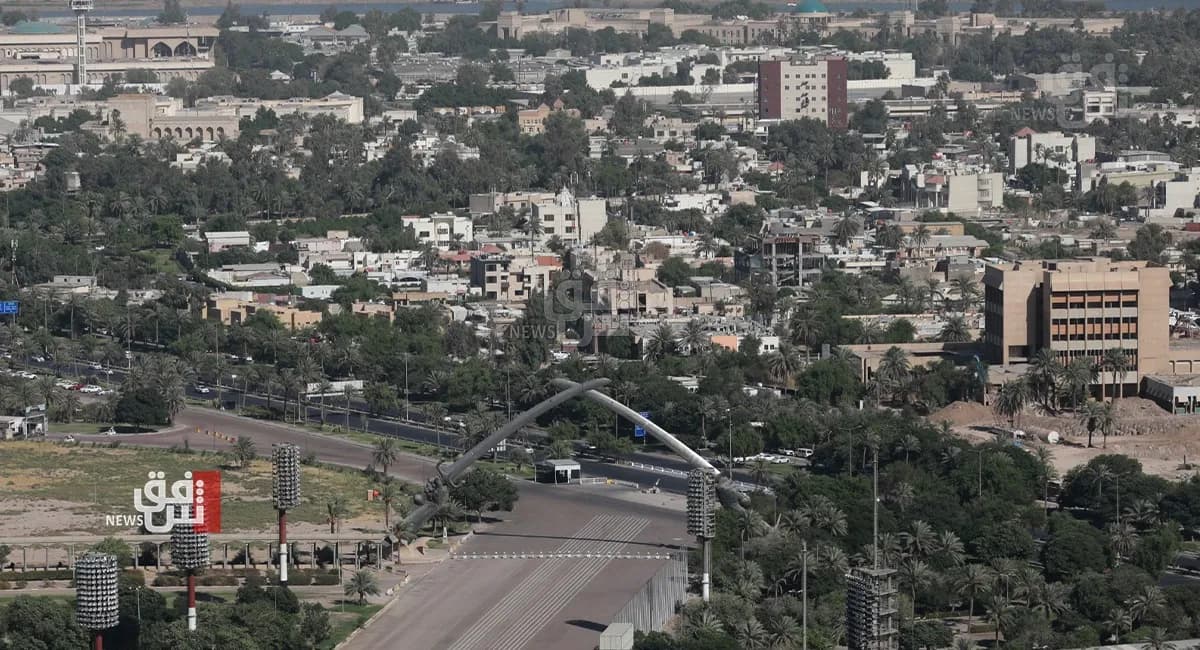
Baghdad's fortified Green Zone, which houses government buildings and diplomatic missions including the U.S. embassy, was temporarily closed to the public.
An internal State Department alert revealed that the strike hit the Baghdad Diplomatic Support Center, a large logistics hub beside Baghdad International Airport.
The alert ordered people on site to 'duck and cover' while accountability checks were carried out.
Civil defense teams were deployed to bring the fire under control.
Authorities launched investigations to identify the perpetrators.
The Iraqi Interior Ministry condemned 'any attempts to target diplomatic envoys in the country' while acknowledging the challenging security environment.
Regional Impact
The attack on the U.S. embassy in Baghdad reflects the broader regional escalation of the Middle East conflict.
Similar incidents have been occurring across the Gulf and wider region.
The United Arab Emirates was forced to temporarily close its airspace after drone strikes triggered separate fires at the Fujairah oil zone and the Shah gas field.
The UK Maritime Trade Operations reported that a tanker was hit by an 'unknown projectile' approximately 23 nautical miles east of Fujairah.
In Saudi Arabia, the Ministry of Defence confirmed that several unmanned aerial vehicles were neutralised in the eastern portion of the kingdom.
Officials stated the drones were 'intercepted and destroyed' after being detected.
These coordinated attacks demonstrate the strategic targeting of economic and military infrastructure across the region.
UAE President Mohamed bin Zayed Al Nahyan held a telephone conversation with Saudi Crown Prince Mohammed bin Salman to review the regional developments.
The leaders addressed what they termed 'blatant Iranian attacks' directed at nations throughout the region.
The incidents highlight the growing instability in the region as the conflict expands beyond direct hostilities.
The conflict is increasingly affecting neighboring countries and global energy markets.
More on Iran

Israel strikes Iran's Pars gas field as Tehran vows revenge
14 sources compared
Trump threatens to blow up South Pars gas field if Iran attacks Qatar again
10 sources compared
UAE Halts Habshan Gas Facility Operations After Debris From Intercepted Missiles
10 sources compared

Iran Threatens Gulf Energy Facilities After Israel Strikes South Pars Gas Field
11 sources compared