
Iran Backs Xi Jinping’s Four-Point Persian Gulf Security Plan Ahead of Trump’s Beijing Visit
Key Takeaways
- Abdolreza Rahmani Fazli, Iran's ambassador to China, endorses Xi's four-point Gulf security plan.
- Iran's endorsement comes ahead of Donald Trump's scheduled visit to China.
- The plan aims to promote lasting security, peace, and regional development in the Persian Gulf.
Iran backs Xi plan
Iran publicly endorsed Chinese President Xi Jinping’s “four-point plan” for “lasting security and shared development in the Persian Gulf region,” with Iran’s Ambassador to China Abdolreza Rahmani Fazli signaling support ahead of Donald Trump’s visit to Beijing.
“ANI |Updated:May 12, 2026 14:51IST Beijing [China], May 12 (ANI):Iran's Ambassador toChina, Abdolreza Rahmani Fazli, has expressed support for Chinese President Xi Jinping's "four-point proposal" aimed at ensuring lasting security amid the conflict in West Asia as well as the shared development in the region”
Fazli said the issue was also “emphasised during the meeting between the foreign ministers of the two countries,” linking the endorsement to talks between Iranian Foreign Minister Abbas Araghchi and Chinese Foreign Minister Wang Yi.

The proposal, as described in the coverage, is built around four pillars that include peaceful coexistence through a “common, comprehensive, cooperative and sustainable” security architecture, respect for national sovereignty and territorial integrity, adherence to international law, and balancing development with security through regional cooperation.
The timing was framed as critical because Trump was set to travel to Beijing from May 13 to May 15 for high-level talks with Xi Jinping.
The endorsement also came as the reporting described continuing tensions in West Asia and ongoing diplomatic efforts involving Iran and regional powers.
What officials said
Fazli’s X post, as quoted across outlets, framed Iran’s position as readiness to support Xi’s proposal, stating, “The Islamic Republic of Iran has announced its readiness to support the Chinese President's four-point plan aimed at establishing lasting security and shared development in the Persian Gulf region.”
WION added that Yu Jing, the Spokesperson of the Chinese Embassy in India, described the proposal as focusing on “regional peace, sovereignty, international law and coordinated development,” aligning the plan’s themes with the four pillars outlined in the reporting.
The IRNA English account similarly said Fazli reaffirmed Tehran’s support for Xi’s proposal to promote “peace and stability in the Middle East and Persian Gulf,” and it pointed to a meeting in Beijing between the two countries’ foreign ministers.
The Times of India reported that Fazli said the issue was also emphasised during talks between Araghchi and Wang Yi during Araghchi’s recent visit to China.
Together, the coverage placed Iran’s endorsement in the context of US-Iran deadlock described in the reporting, while also tying it to China’s diplomatic positioning in the Gulf region.
Gulf stakes and risks
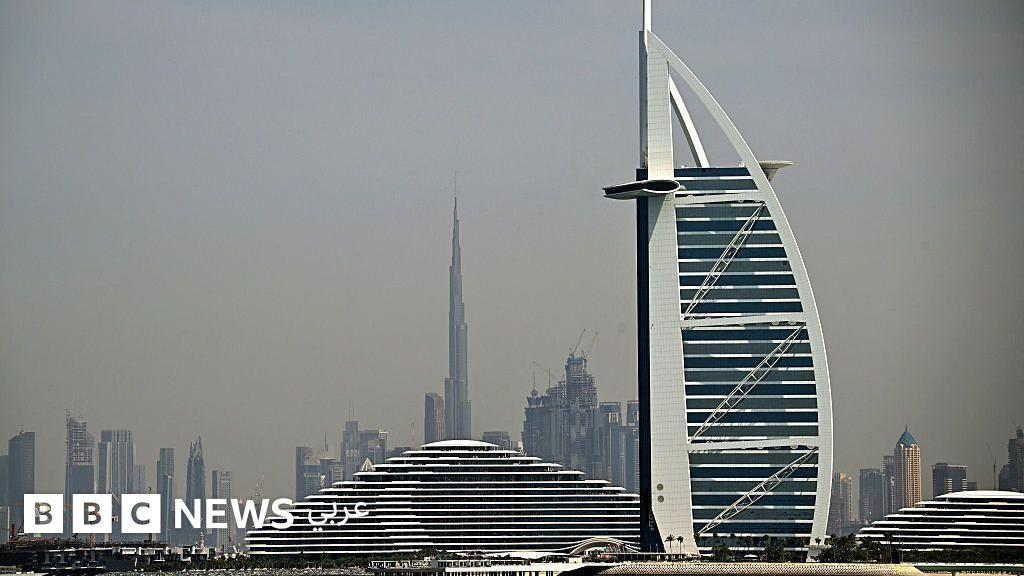
While Iran’s endorsement advanced a diplomatic framework for the Persian Gulf, the BBC’s roundup of the Washington Post op-ed argued that the “Iran War Threatens the Gulf States' Ambition to Build an Economy Not Dependent on Oil,” describing the conflict as a test for the region’s wealthy economies.
“Tehran, IRNA – Iran’s Ambassador to China reaffirmed that the Islamic Republic supports President Xi Jinping’s recent four-point proposal to promote peace and stability in the Middle East and Persian Gulf”
The op-ed’s authors, Evan Halper and Rachel Chason, were described as warning that even if the United States and Iran manage to reach an agreement to reopen the strategic Strait of Hormuz, the conflict would leave “deep effects” on the Gulf region’s economic plans.
The BBC roundup also described concerns that security vulnerabilities and the prospect of Iran closing the Strait of Hormuz could shake foreign investors’ confidence and undermine the Gulf states’ reputation as safe havens for business.
In the same BBC roundup, the Washington Post op-ed was paired with a Guardian op-ed by Mark Leonard, which argued that the war’s consequences expose Europe and that “China and Europe—except for the parties directly involved in the conflict—are the most exposed to bearing its consequences.”
The Reuters item in the provided material added a separate strand of risk by quoting an IRGC Navy senior officer saying Tehran had broadened its definition of the Strait of Hormuz into a “wide-area operating zone” extending far beyond its pre-war scope.
More on Iran

Trump Warns Ceasefire Is On Life Support As U.S. Plans Escalation In Iran War
32 sources compared
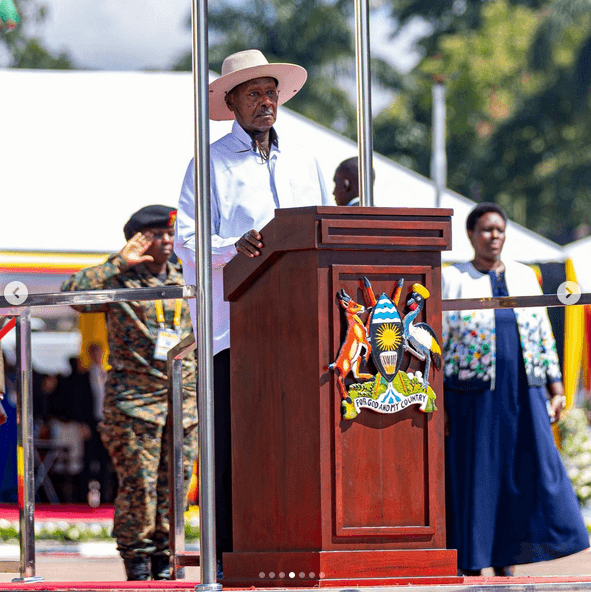
Yoweri Museveni Sworn In For Another Five-Year Term In Kampala
16 sources compared
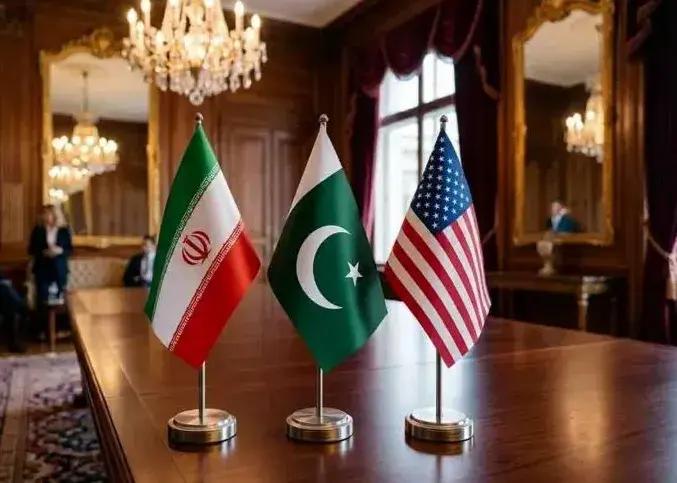
Pakistan Rejects CBS News Claim of Iranian Military Aircraft at Nur Khan Airbase
18 sources compared

Calbee Switches 14 Products To Black-And-White Packaging As Iran War Disrupts Ink Supplies
11 sources compared