
Iran Bans Israeli Ships From Strait of Hormuz Without Iranian Permission
Key Takeaways
- Transit through Hormuz requires Iran's permission, per IRGC officials.
- Shipping traffic has largely halted through Hormuz amid control measures.
- Iran adopts new Hormuz management, centralizing passage approvals under armed forces.
Iran tightens Hormuz rules
Iran has moved to restrict transit through the Strait of Hormuz by adopting new navigation rules and asserting that no vessel can cross without Iranian permission, according to multiple Iranian officials quoted in the source articles.
“There were no signs of increased ship traffic through the Strait of Hormuz on Monday, a day after U”
The First Vice Speaker of the Islamic Consultative Assembly of Iran, Ali Nikzad, announced on Sunday the adoption of new rules to regulate navigation in the Strait of Hormuz, calling it a “fundamental shift” in managing “one of the world’s most important maritime passages.”
Follow-ups in the Al-Khabar Al-Yemeni account say the “comprehensive plan” has 12 points, including “a ban on ships from the ‘Zionist entity’” and restrictions on ships from countries Tehran calls “hostile,” with “requiring the payment of compensation before granting transit permits.”
The same report says “all other ships will be obliged to obtain official permission from Iranian authorities to cross the strait,” under “a law to be approved by parliament,” while “respecting international laws and the rights of neighboring countries.”
In parallel, Iran’s army spokesman Mohammad Akraminia told Iranian media that “no friendly or hostile vessel can transit the waterway without their permission,” describing controlling the strait as “an inherent right” of Iran.
The myRepublica report adds that Akraminia said “At present, Iran’s Islamic Revolution Guard Corps in the west and the country’s army in the east are controlling the strait with power,” and that “no ship, friend or foe, will have the right to pass without the permission and authorization of our forces.”
Escalation and competing claims
The tightening of Iran’s control over the Strait of Hormuz is described in the sources as part of an escalation that includes warnings, denials, and conflicting claims about attacks near the waterway.
The myRepublica article says Iran “tightened its grip on the Strait of Hormuz beginning Feb. 28,” when it “barred safe passage to vessels belonging to or affiliated with Israel and the United States following joint strikes on Iranian territory.”

In the Arab 48 account, the escalation includes “conflicting reports about an attack on a U.S. destroyer and Washington's denial of it,” while an Emirati official told CNN, “We expect an American or Israeli attack on Iran within the next 24 hours.”
The same Arab 48 report says the Iranian military announced it had “prevented American destroyers from entering the Strait of Hormuz,” claiming it “fired warning shots with cruise missiles and drones near American ships that ignored warnings.”
It further claims that “two Iranian missiles struck a U.S. Navy frigate as it traversed the strait, forcing it to turn back after being targeted,” while the U.S. military denied the claim, saying its ships were not attacked.
Arab 48 also states that U.S. Central Command confirmed “two merchant ships flying the American flag passed safely through the Strait of Hormuz,” and that “U.S. Navy guided-missile destroyers are currently operating in the Gulf.”
Iran’s officials set conditions
Multiple Iranian-linked sources in the package describe the same core condition for transit: ships must obtain permission from Iran’s armed forces, and hostile vessels will face a “decisive” or “firm” response.
“TEHRAN, May 3: Iran's army spokesman Mohammad Akraminia said on Saturday the country's armed forces are controlling the Strait of Hormuz, and no friendly or hostile vessel can transit the waterway without their permission”
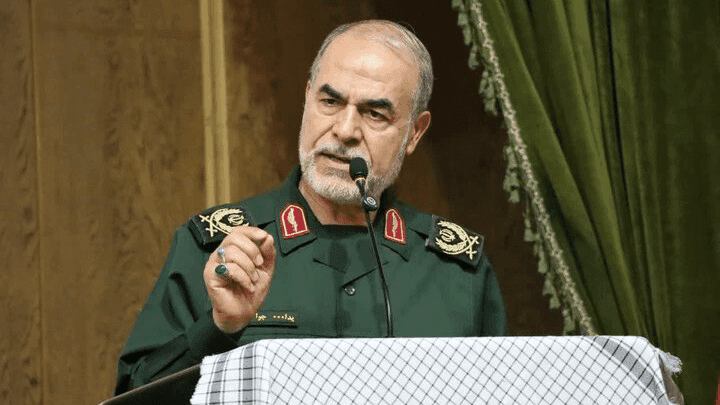
Tabnak reports that Sardar Javani, the political deputy of the Islamic Republic of Iran's Revolutionary Guard Corps (IRGC), appeared on the IRIB News Channel's Special Dialogue program and said, “Any ship that wishes to have a demarcated transit through this region must obtain the permission of the Armed Forces of the Islamic Republic in order to be secure.”
Tabnak adds that Javani said, “Any vessel belonging to a hostile enemy that seeks to pass will be met with a decisive response.”
The “انتخاب” entry similarly quotes Brigadier General Javani on the Khabar News Network's Special News Dialogue program, stating that “any ship wishing to transit through this demarcated corridor must obtain permission from the Armed Forces of the Islamic Republic in order to be secure.”
In that same “انتخاب” text, Mehr News Agency is cited as quoting Javani: “any vessel seeking to pass through this demarcated area must have the permission of the Armed Forces of the Islamic Republic to ensure security,” and it repeats that “any ship belonging to a hostile enemy that seeks to pass will be met with a firm, decisive response.”
Mehr News Agency’s separate account quotes Major General Yadollah Javani in an interview with national Iranain TV, saying, “We are seeking the management of the Strait of Hormuz as a blessing,” and it adds, “The new management of the Strait of Hormuz will lay the foundation for the global and international order.”
Shipping slows; guidance disputed
The sources describe the impact of Iran’s control and the U.S. response as a sharp reduction in shipping activity, alongside disputes over whether any safe-passage procedures are clear.
The الشرق report says “Shipping traffic through the Strait of Hormuz slowed to near a standstill,” while Tehran said Pakistan had received Washington's reply to a proposal to end the war, after President Donald Trump said he was studying Iran's latest peace proposal.
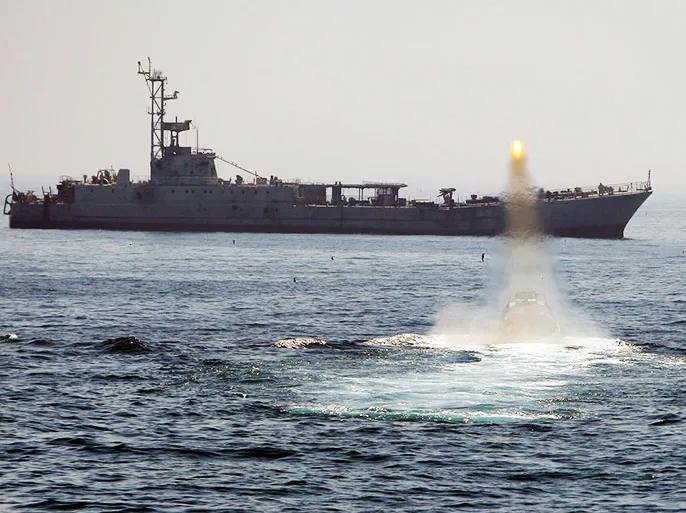
It adds that Bloomberg published tracking of movement in the Strait of Hormuz, aiming to monitor movement of all categories of commercial cargo, and it notes that hopes for a quick easing of mutual sanctions faded after Trump said he would review the plan.
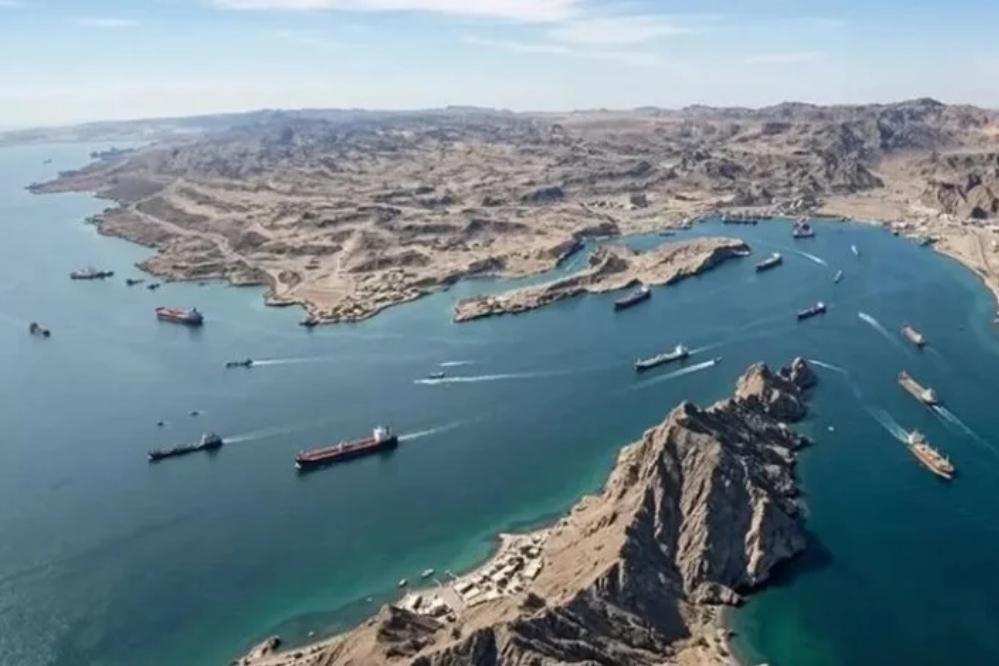
The same report says vessel-tracking data showed that observed commercial traffic between “Saturday morning and Sunday afternoon” was limited to “the usual mix of small ships linked to China or Iran,” and that “access to the strait appears restricted to selected vessels with regional ties or special approvals.”
It also states that the ships that crossed Hormuz, with AIS active, were “confined to the narrow northern passage approved by Tehran.”
The EconomiPlus entry, citing Reuters, says there were “no signs of increased ship traffic through the Strait of Hormuz on Monday,” and that “only one tanker—a small, sanctioned liquefied petroleum gas tanker—along with a few cargo ships and a cable-laying vessel, crossed into the Gulf of Oman on Monday.”
U.S. “Freedom Project” and risks
The sources also frame the situation as a contest over who manages navigation and how far military coordination will go, with U.S. plans described as a “Freedom Project” and Iranian warnings against U.S. interference.
“Shipping traffic through the Strait of Hormuz slowed to near a standstill, while Tehran said Pakistan had received Washington's reply to a proposal to end the war, after President Donald Trump said he was studying Iran's latest peace proposal”
In the Arab 48 report, a source close to President Donald Trump says assisting ships in crossing the Strait of Hormuz could lead to a confrontation with the Iranians, and Axios is cited in that context.
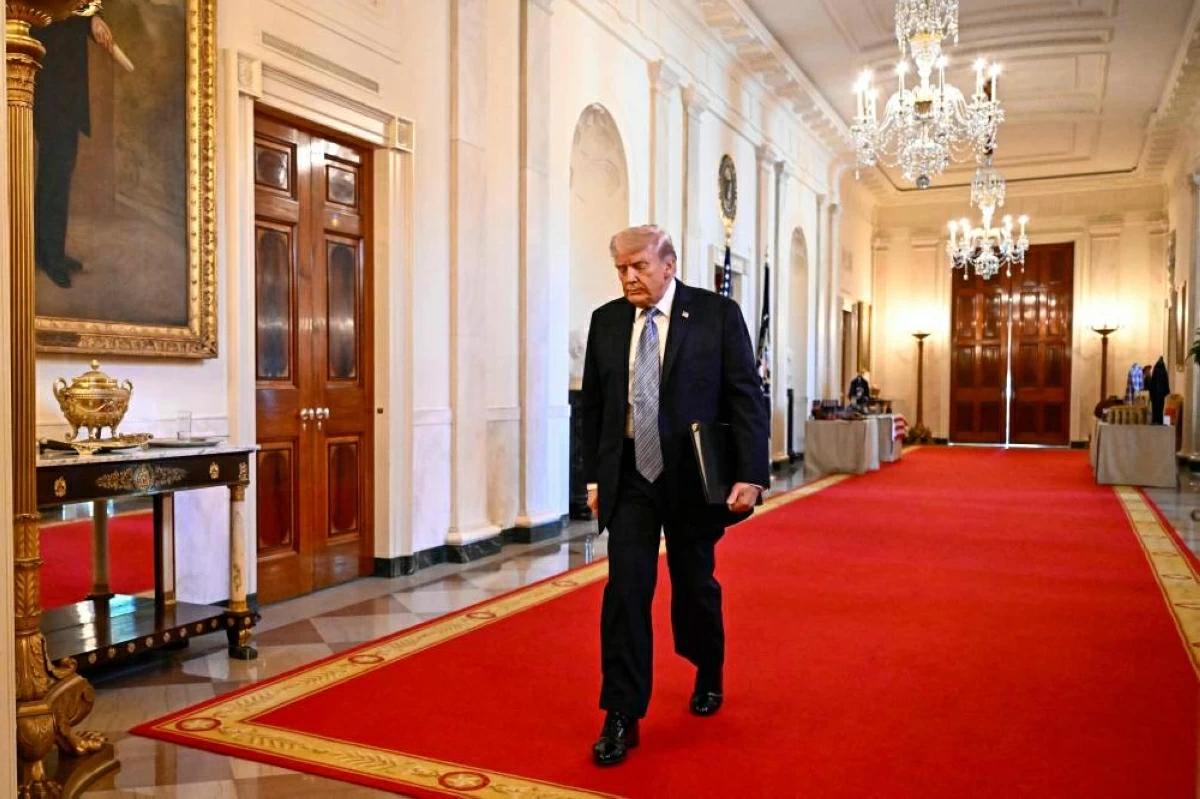
The report says Trump announced the launch of the 'Freedom Project' to secure ship movements in the Strait of Hormuz, affirming U.S. efforts to protect commercial navigation, including “large-scale naval and air deployments in the region.”
It further states that U.S. Central Command said the operation would include “missile-equipped destroyers and unmanned platforms,” along with “thousands of troops and dozens of aircraft,” to ensure the continued flow of commercial cargo through the strait.
Arab 48 also quotes a U.S. official saying, “We will destroy any missiles or fast boats launched by Iran in response to sending ships through Hormuz,” and it adds that another official indicated forces in the area have been authorized to strike direct Iranian threats.
By contrast, the same Arab 48 text says Tehran warned the U.S. Navy to stay out of the Strait of Hormuz, with Esraili? Ibrahim Azizi describing the step as a violation of the ceasefire agreement and stressing that Iran rejects any American presence or guardianship in Gulf waters.
More on Iran

U.S. Sinks 7 Iranian Boats as Iran Launches Missiles and Drones at UAE
10 sources compared
US Guided-Missile Destroyers Open Strait of Hormuz Route After Iran Fires Missiles and Drones
32 sources compared
Trump Threatens Iran Over Strait Of Hormuz As Project Freedom Guides Ships
21 sources compared

Trump Threatens Iran After U.S. Operation Targets Drones and Small Boats in Strait of Hormuz
19 sources compared