Iran23 April, 20266 min read
Iran Begins Collecting Strait of Hormuz Transit Fees, Deposits First Revenue in Central Bank
Iran deposited the first revenue from Hormuz transit fees into its central bank. Deputy Speaker Hamid Reza Hajibabaei announced the revenue after Parliament approved toll plans.
The Guardian was read line by line by the Watchdog: 5.3. See the score →
First Toll Revenue
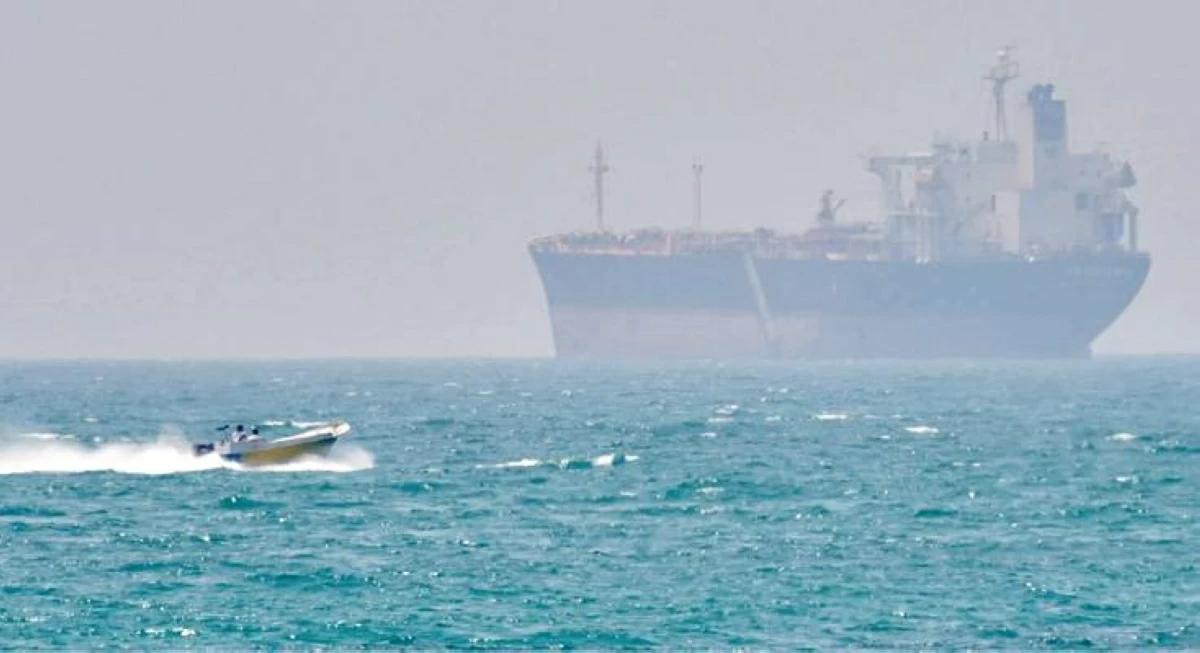
Iran has begun collecting money from vessels transiting the Strait of Hormuz, and Iranian officials say the first revenue has been deposited into the Central Bank of Iran. CNN Arabic reports that Iranian Parliament Vice President Hamid Reza Hajibabaei said on Thursday that the Central Bank of Iran has received its first revenue from the Strait of Hormuz transit-fee system, citing the semi-official Tasnim News Agency. Türkiye Today similarly says that “Hamidreza Hajibabaei, deputy speaker of parliament” confirmed that the initial revenue from the newly imposed toll system had been received and transferred to the central bank, also citing Tasnim.
The قناة النيل للأخبار report adds that Deputy Chairman of Iran's Islamic Consultative Assembly Hamid Reza Hajji Babaei announced that the first revenue generated from crossing fees for the Strait of Hormuz has been deposited into the Central Bank of Iran. In the same report, the official stressed that about “20% of oil and 35% of global gas pass through it,” linking the toll to Iran’s role in the international economy.
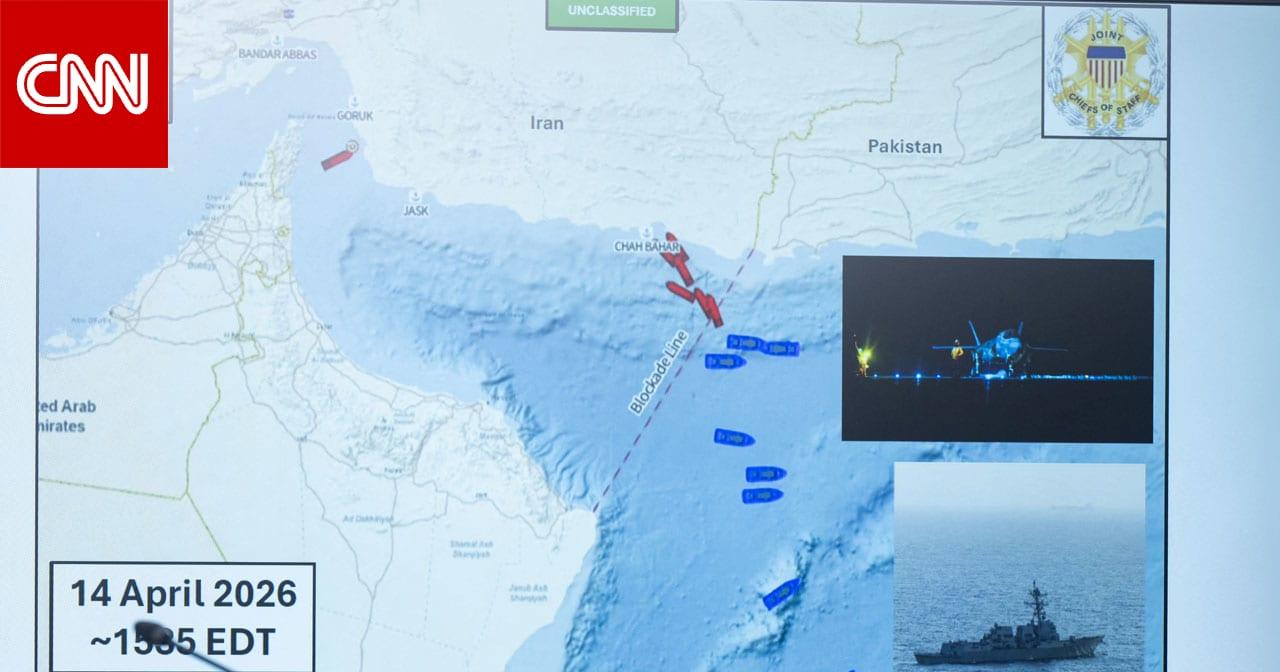
CNN Arabic places the move in a wider context of constrained shipping, saying the “movement of shipping through this vital waterway” remains “severely constrained” under the U.S. naval blockade of Iranian ports and “the recent attacks and seizures of vessels in the region.” The reports also describe Iranian planning for sovereign control, with CNN Arabic saying the Parliament and the Supreme National Security Council are studying a plan to impose sovereign control over the waterway.
Toll Plan and Conditions
Iran’s toll system is described across the sources as both a structured payment regime and a set of conditions tied to navigation through the strait. The Guardian says Iran’s plan to maintain a chokehold by extracting “a payment of $2m from each passing tanker” has raised concerns that “Tehran’s tollbooth” could lead to higher prices for years, and it describes Tehran’s demand within Iran’s “10-point peace plan.” The Guardian reports that the plan requires “Iran and Oman will be free to charge a fee of up to $2m on each vessel transiting through the strait,” and it says Iran suggested the money would be used for reconstruction.
It also states that Tehran trialled the approach earlier this month and that tankers were required to give details of “the ship’s cargo, destination and ultimate owner before paying a toll of at least $1 a barrel.” The Guardian further says that for oil tankers “which typically carry 2m barrels of oil, the toll for a single transit was $2m,” and it adds that the payment was “payable in Chinese yuan or a cryptocurrency.”
Türkiye Today similarly describes a minimum charge of “$1 per barrel” for “typical shipments of around 2 million barrels,” with the cost “can reach $2 million per voyage,” and it says payments are accepted in “Chinese yuan or cryptocurrency.” CNN Arabic adds that the Iranian Parliament’s Security Committee approved, “last month,” a plan to levy fees on ships passing through the strait, which drew “angry international responses.”
International Pushback
The toll initiative has triggered direct criticism from U.S. officials and legal concerns described by the sources.
CNN Arabic says that Rubio commented on Tehran’s attempts to establish a transit-fee system, stating that “this is not only illegal but also unacceptable, and it poses a danger to the world, and it is important that the world have a plan to confront it.”
The Guardian frames the legality question by saying the system “stands in direct opposition to the UN convention on the law of the sea,” also known as Unclos, which provides vessels a right of “unimpeded transit passage” through more than 100 straits, including the Strait of Hormuz.
It adds that “About 170 countries and the EU have ratified Unclos,” while “Iran and the US have not,” and it says “the US has made clear that it disputes Iran’s right to control the strait.”
Türkiye Today includes a direct warning from U.S. President Donald Trump, quoting him: “There are reports that Iran is charging fees to tankers going through the Hormuz Strait — they better not be and, if they are, they better stop now!”
CNN Arabic also reports that Tehran has previously stated that “Iranian sovereignty over the Strait of Hormuz is a condition for ending the war,” tying the fee system to broader wartime bargaining.
The قناة النيل للأخبار report counters with Iran’s own framing, saying the Supreme National Security Council warned that if the “American naval blockade continues,” Tehran could prevent any limited or conditional opening of the strait.
Shipping Flows and Numbers
While Iran’s toll system is being implemented, the sources also describe shifting passage rates and specific ship movements in and around the Strait of Hormuz. The Al-Hadath report says there was an “Increase in the passage rate of ships not affiliated with Iran through the Strait of Hormuz last week,” stating that “About 22 ships passed through the 13–19 April period, compared with about 15 ships the previous week.” It adds that brokers said “10 of the 22 ships passed through the Larak passage, a route controlled by the Islamic Revolutionary Guard Corps, and paid the transit fees,” and it links the rise to “ahead of the first exchange of fire in the strait since the start of the ceasefire.”
The same report says Kpler noted that “more than 20 ships passed through the Hormuz Strait on Saturday, the highest number since March 1,” and it describes a range of cargoes and destinations among ships that crossed. It lists the Kreif, a “Panama-flagged tanker carrying LPG from the UAE” en route to Indonesia, and it names Akti E and Athena as tankers carrying refined products loaded in Bahrain and headed to Mozambique and Thailand respectively.
The report also includes the Navig8 Makallister, a “Liberian-flag tanker,” carrying “about 500,000 barrels of naphtha from the UAE to Ulsan in South Korea,” and it describes a “large Liberian-flag crude oil tanker” carrying “roughly two million barrels of Saudi crude” bound for Mai Liao in Taiwan. It further states that a tanker flying the Indian flag carried “about 780,000 barrels of DAS crude from the UAE and was headed to Sri Lanka,” and it names the Ruby as “loaded with Qatari fertilizer” bound for the UAE.
Economic Stakes and Security
The sources connect the toll system to both economic risk and ongoing security uncertainty in the region. The Guardian says the strategy could lead to higher prices for years, arguing that adding “$1 to the cost of every barrel of crude passing through the strait could add costs of $20m a day to the market, or $7bn a year,” based on pre-crisis flows. It also says shipping companies are likely to charge higher rates because “the risk of attack is substantially greater,” and it adds that insurers are likely to charge higher premiums too.
The Guardian describes the de facto closure of the strait as once seeing “about 20m barrels of oil and gas transit each day,” cutting exports by “about 10m barrels a day” and causing oil prices to surge, with Brent crude climbing “from just below $70 a barrel last year” to “highs of $119 a barrel” and “record highs of almost $150 a barrel for physical cargoes.” It further says market analysts suggest “prices of about $100 a barrel could remain for most of this year, with higher prices persisting into 2027.”

CNN Arabic adds a separate security timeline, reporting that Pentagon officials briefed lawmakers on an intelligence assessment concluding that “fully clearing the Strait of Hormuz of mines could take up to six months after the war with Iran ends.” The قناة النيل للأخبار report emphasizes that the IRGC said control over the strait has been restored to its previous state, with Ibrahim al-Faqari stating that Americans “continue maritime piracy under the banner of the blockade.”