Iran Fires on Three Ships and Seizes Two in Strait of Hormuz, Trump Extends Ceasefire
Key Takeaways
- Iran fired on three ships and seized two, transferring them to Iranian shores.
- Trump extended the ceasefire with Iran, while the U.S. blockade of the Strait remained.
- The seizures indicate heightened Hormuz tensions amid the broader U.S.-Iran standoff.
Hormuz Attacks and Seizures
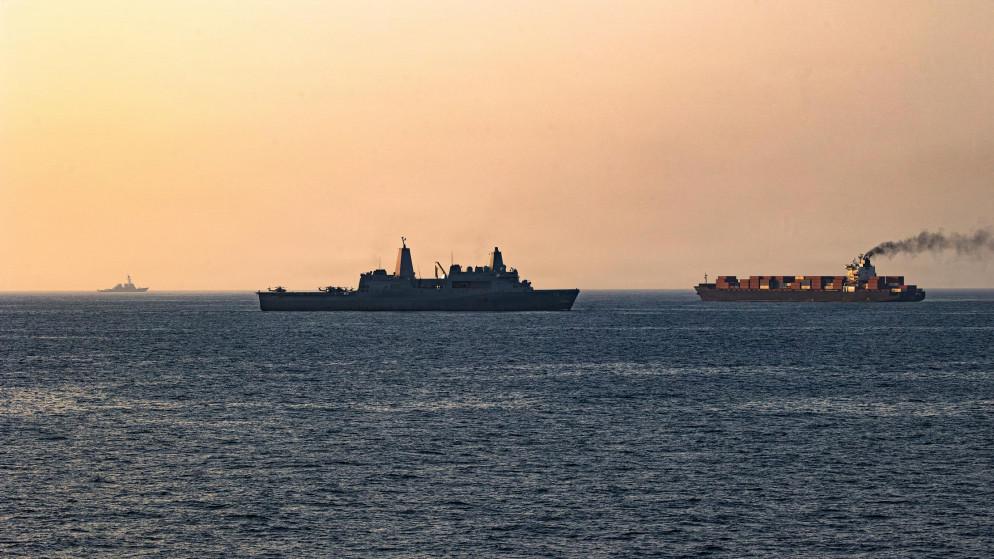
Iran fired on three ships in the Strait of Hormuz and seized two of them on Wednesday, intensifying its assault on shipping in the key waterway, according to AP.
“Iran has captured two foreign commercial vessels in the Strait of Hormuz and moved them to its coast, in a further escalation that comes hours after United States President Donald Trump said he would extend a ceasefire with Tehran”
The attacks came a day after U.S. President Donald Trump extended a ceasefire while maintaining an American blockade of Iranian ports, AP reported.

AP said the standoff has effectively choked off nearly all exports through the strait, where “20% of the world’s traded oil passes in peacetime.”
Iranian media said the paramilitary Revolutionary Guard was bringing the two ships to Iran, while the White House said the seizures didn’t violate ceasefire terms, AP reported.
The BBC said Iran’s navy opened fire on a first ship it called the Epaminodes after it had “ignored the warnings of the Iranian armed forces,” and then stopped a second ship named Euphoria after it was “fired upon.”
BBC Verify said the third vessel was the MSC-Francesca, and it reported that the IRGC Naval Command said both it and the Panama-flagged MSC-Francesca had been seized after endangering maritime security “by operating without the necessary permits and tampering with navigation systems.”
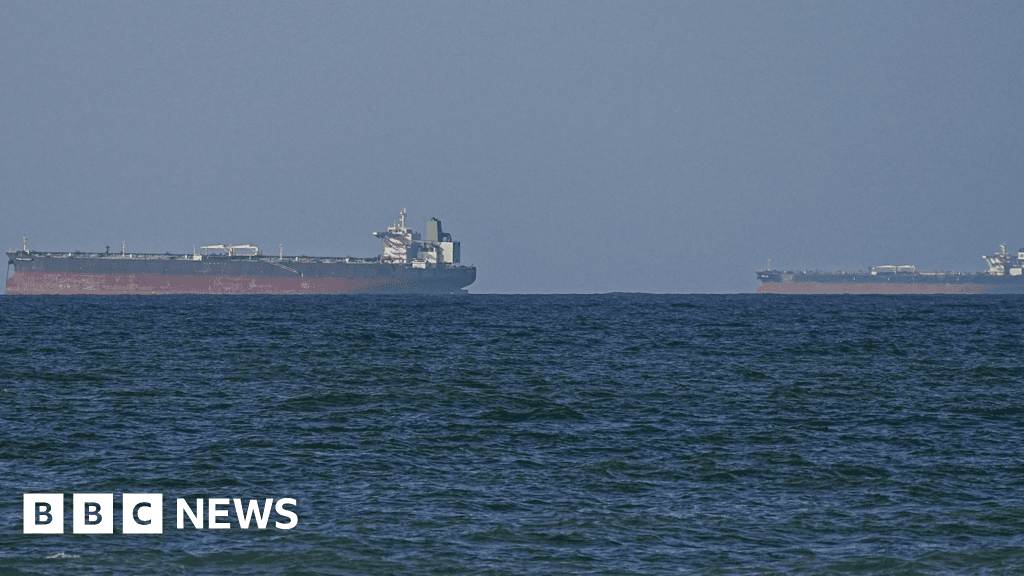
CBS News similarly reported that an IRGC “gun boat” fired at a container ship 15 nautical miles northeast of Oman causing “heavy damage to the bridge,” and that a second incident 8 nautical miles west of Iran left a cargo ship “now stopped in the water.”
Ceasefire, Blockade, and Escalation
The Wednesday attacks unfolded as the U.S.-Iran standoff continued with a blockade and diplomacy stalled, AP reported, describing how the conflict has “effectively choked off nearly all exports through the strait” with “no end in sight.”
AP said the attacks came “a day after U.S. President Donald Trump extended a ceasefire while maintaining an American blockade of Iranian ports,” and it also reported that the White House said the seizures didn’t violate ceasefire terms because “these were not U.S. or Israeli ships, these were two international vessels.”

NPR reported that the standoff “put the possibility of U.S.-Iran peace talks in jeopardy,” and it said Vice President Vance was due to lead a delegation to Islamabad for a second round of talks, but “the plan dissolved after Iran said it would not be attending.”
NPR also quoted Iran’s President Masoud Pezeshkian saying Iran welcomes dialogue but that “breach of commitments, blockade and threats are main obstacles to genuine negotiations.”
The BBC said the interceptions came “hours after US President Donald Trump extended a two-week ceasefire with Iran until talks between the two nations come to a conclusion,” and it added that Trump said he had been asked to hold off on attacking Iran by Pakistan, which has been acting as a mediator.
BBC further reported that Iran’s chief negotiator Mohammad Bagher Ghalibaf said it was “not possible to reopen the Strait of Hormuz considering all the blatant violations of the ceasefire,” including the U.S. blockade of Iranian ports that he said amounted to taking the global economy “hostage.”
The BBC said the U.S. started a naval blockade of maritime traffic entering and leaving Iranian ports on 13 April, announced less than a day after lengthy talks in Pakistan failed to reach a deal.
Competing Narratives and Voices
Across reporting, Iranian officials and media outlets framed the attacks as enforcement tied to maritime rules, while U.S. and other voices emphasized blockade and ceasefire violations.
“Iran fires on 3 ships in the Strait of Hormuz as US maintains blockade and diplomacy stalls Iran fires on 3 ships in the Strait of Hormuz as US maintains blockade and diplomacy stalls DUBAI, United Arab Emirates (AP) — Iran fired on three ships in the Strait of Hormuz and seized two of them Wednesday, intensifying its assault on shipping in the key waterway”
BBC said Nour News, affiliated with Iran’s Supreme National Security Council, reported that the IRGC opened fire on the first ship it called the Epaminodes after it had “ignored the warnings of the Iranian armed forces,” and it said Fars News Agency reported the Revolutionary Guard was behind the attacks.
BBC also quoted IRGC Naval Command saying the seized vessels had been seized after endangering maritime security “by operating without the necessary permits and tampering with navigation systems,” and it said the two vessels would have their cargo and documents examined.
In contrast, AP reported that the White House said the seizures didn’t violate ceasefire terms, with press secretary Karoline Leavitt telling Fox News Channel that “these were not U.S. or Israeli ships, these were two international vessels.”
NPR reported that Iranian Foreign Minister Abbas Araghchi said earlier that “blockading Iranian ports is an act of war,” and it said the U.S. blockade and seizure of an Iranian ship over the weekend were ceasefire violations.
Time Magazine quoted Mahdi Mohammadi, an adviser to Mohammad Bagher Ghalibaf, dismissing the extended break in fighting by saying, “Trump's cease-fire extension means nothing,” and it added his claim that “The continuation of the siege is no different from bombardment and must be met with a military response.”
Time also quoted Esmail Baghaei, spokesperson for the Iranian Foreign Ministry, telling state television that the uncertainty was due to “contradictory messages” from Washington, saying “The reason for this is not indecision; it is the contradictory messages, contradictory behaviors, and unacceptable actions of the American side.”
Disputes Over Facts and Framing
Different outlets described the same Wednesday events with variations in how many ships were attacked, which vessels were seized, and what details were confirmed by maritime monitoring.
AP said Iran fired on three ships and seized two, while CBS News reported “At least two ships” attacked based on UKMTO reporting, and it said a third ship was hit but that UKMTO did not confirm those reports to CBS News.
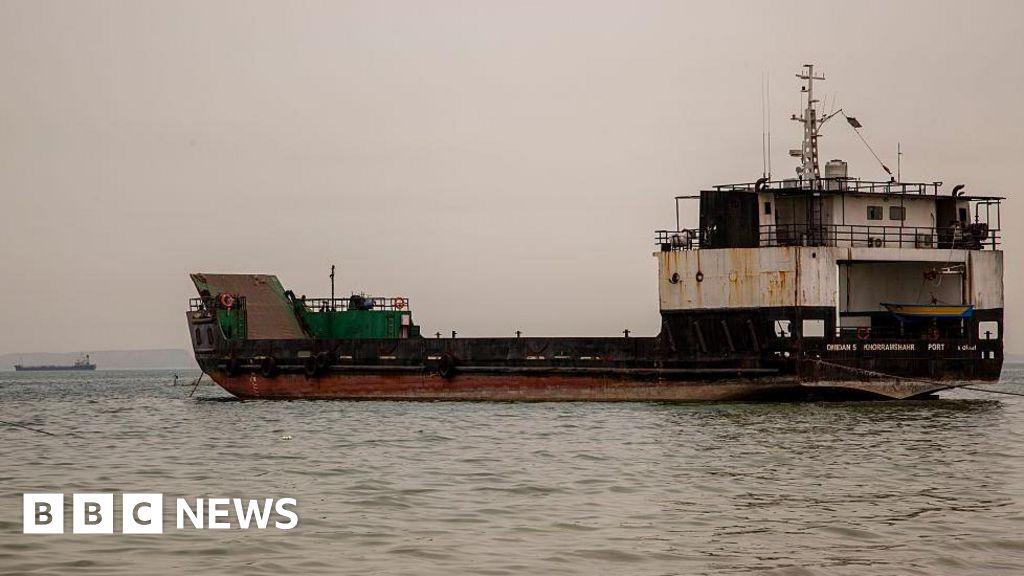
BBC said the IRGC opened fire on a first ship it called the Epaminodes, then stopped Euphoria after it was “fired upon,” and it said the third vessel was the MSC-Francesca, while BBC Verify said the first ship targeted on Wednesday morning was a Greek-owned vessel called the Epaminondas.
Lloyd’s List reported that Iran claimed seizure of two MSC-operated containerships, identifying MSC Francesca and Epaminondas, and it said the Greek Ministry of Shipping denied that Technomar Shipping-owned Epaminondas has been seized, stating the containership sustained “extensive damage” after being attacked.
Lloyd’s List also said a third vessel, the Silmar-operated Euphoria, was targeted hours later, but it “escaped damage and continued toward the Gulf of Oman,” and it described the timing as “0638 hrs” with “approximately eight nautical miles west of Iran.”
Al Jazeera reported that Iran captured two foreign commercial vessels and moved them to its coast, and it said the capture followed a Wednesday incident in which an Iranian gunboat fired on a container vessel near Oman, with UKMTO reporting “heavy damage to the bridge.”
Kurdistan24 described “Three Vessels hit by Iran's Gunfire” and said a Liberia-flagged container ship sustained damage to its bridge after being hit by gunfire and rocket-propelled grenades northeast of Oman, while also describing a second incident where a Panama-flagged ship was fired upon about eight nautical miles west of Iran.
Economic Stakes and Next Steps
The attacks and seizures carried immediate economic and diplomatic stakes, with multiple outlets tying the maritime standoff to energy prices, consumer costs, and the risk of renewed escalation.
“Iran says it has seized two ships in Strait of Hormuz after vessels attacked Iran's navy said it has seized two cargo ships in the Strait of Hormuz and taken them to the country's coast after reports that three vessels came under fire from Iranian forces”
AP said the conflict has already sent gas prices skyrocketing far beyond the region and raised the cost of food and a wide array of other products, and it reported that Brent crude oil “nosed over $100 per barrel,” marking a “35% increase from prewar levels.”
AP also reported that the European Union energy commissioner Dan Jørgensen warned of lasting impact, saying the disruption is costing Europe around “500 million euros ($600 million) each day.”
Time Magazine said the unrest placed added strain on the newly-extended U.S.-Iran ceasefire and described the path toward a sustainable end as unclear, while it reported that Vice President J.D. Vance “remains grounded” as the administration awaited word from Iranian officials.
NPR said the standoff jeopardized peace talks and reported that the plan for a second round in Islamabad dissolved after Iran said it would not be attending, while also quoting Pezeshkian that “breach of commitments, blockade and threats are main obstacles to genuine negotiations.”
AP reported that without any diplomatic agreement, the attacks will likely deter ships from even attempting to pass through the waterway, further squeezing global energy supplies, and it said it was not clear when talks will restart Iran’s ability to restrict traffic through the strait.
NPR reported that the United Kingdom and France are hosting a two-day conference starting Wednesday aimed at reopening the Strait of Hormuz, and it said military planners from more than 30 countries were meeting at a Royal Air Force base north of London to put together a multinational mission to safeguard the Strait.
More on Iran
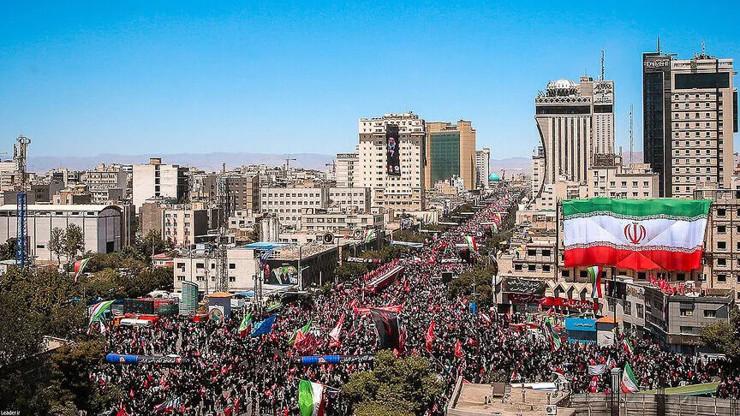
Israeli Strike Kills Ayatollah Ali Khamenei, Buried at Imam Reza Shrine in Mashhad
19 sources compared
Iran Attempts To Restore Nuclear Sites Damaged In US And Israel Strikes, CNN Satellite Images Show
15 sources compared
Abbas Araghchi and Prince Faisal Bin Farhan Discuss Regional Developments After US Attacks
11 sources compared

Trump Says U.S. Agreed to Continue Iran Talks, Ceasefire Is Over
19 sources compared