Trump Extends Ceasefire as US-Iran Peace Talks Stall and Strait of Hormuz Tensions Rise
Key Takeaways
- Trump extends two-week ceasefire with Iran while awaiting a unified Iranian negotiating proposal.
- Iran seizes ships in Strait of Hormuz amid U.S. blockade.
- Diplomatic talks stalled as ceasefire extension awaits Tehran's formal proposal.
Ceasefire extended, talks stall
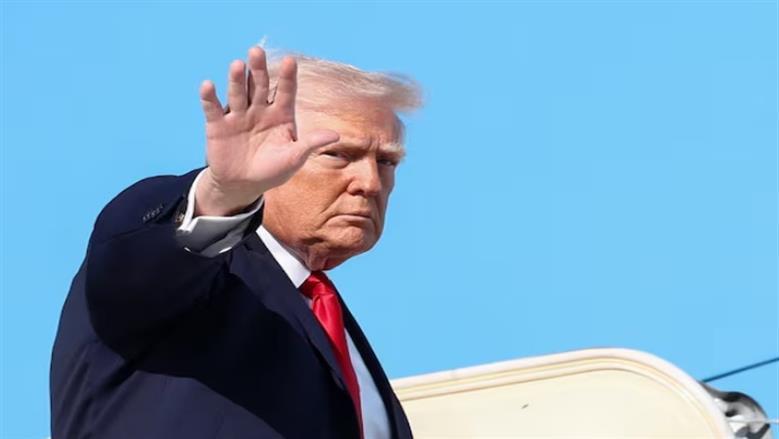
The United States and Iran entered a tense new phase after President Donald Trump extended a ceasefire while peace talks stalled and the Strait of Hormuz remained under pressure.
Scripps News reported that Trump said he was extending a “two-week ceasefire,” while a senior Trump administration official said the U.S. would wait for a “unified proposal” from Iran and that there was “no specific timeline for the extension.”
In a separate report, LiveNOW from FOX said Trump announced Tuesday that the temporary truce would remain in effect as the two sides discussed a more lasting peace deal, adding that the halt in hostilities would continue “until such time as their proposal is submitted, and discussions are concluded, one way or the other.”
NDTV Profit said Trump told audiences the ceasefire agreed earlier this month would remain in place “indefinitely,” as Washington awaited a fresh proposal from Iran.
The same NDTV Profit report said Brent crude hovered near $106 a barrel while WTI traded around $97, tying the market reaction to “US-Iran tensions and Strait of Hormuz disruptions.”
The standoff also fed into diplomatic uncertainty: lamilano.it said the indefinite postponement of Vice President J.D. Vance’s trip to Islamabad confirmed “the depth of the gap between the parties.”
Against that backdrop, NPR reported that Vice President Vance was due to lead a delegation to Islamabad for a second round of talks, but “the plan dissolved after Iran said it would not be attending.”
Blockade and seizures
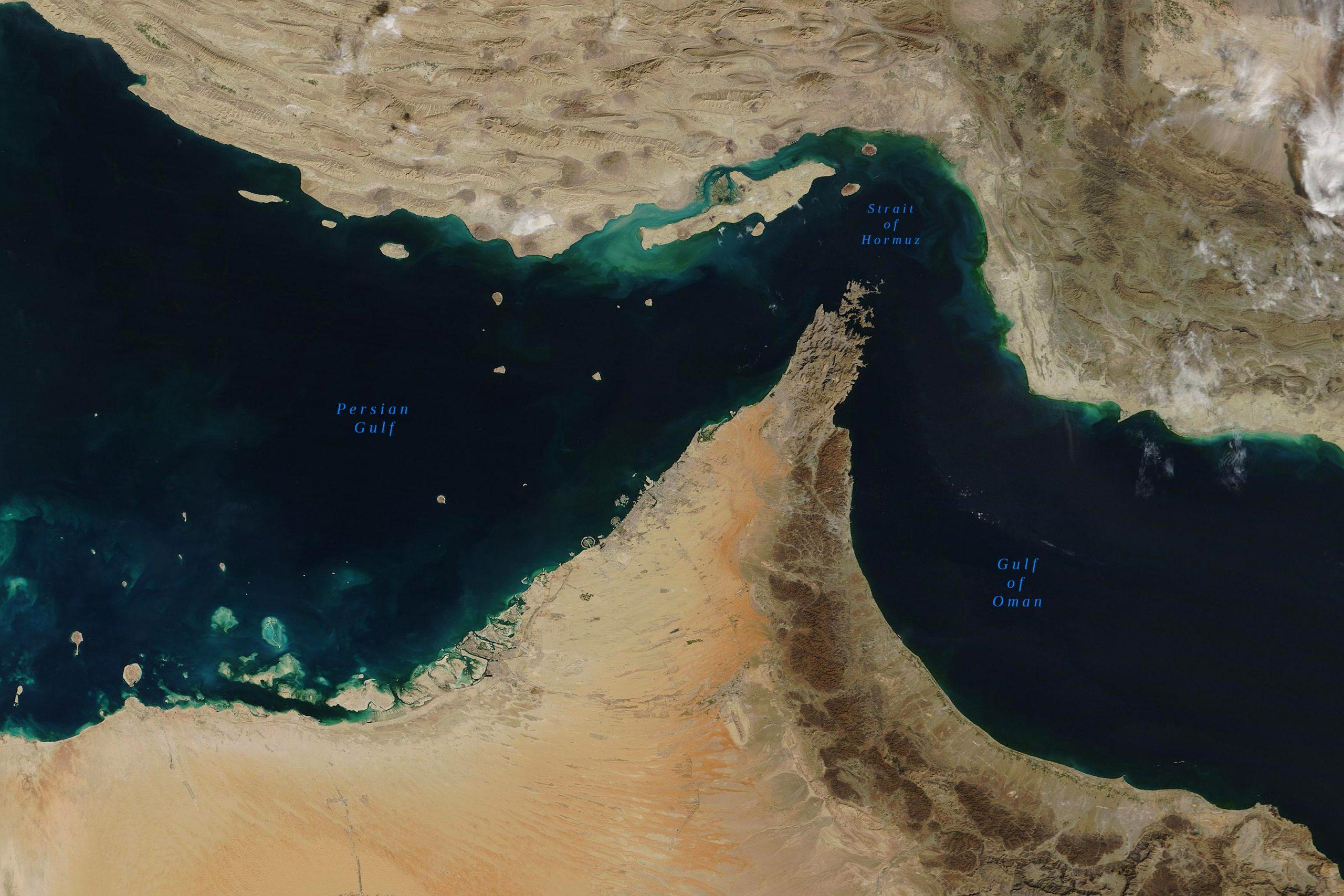
While Washington framed the ceasefire extension as a bridge to negotiations, Iran and U.S. officials pointed to the naval blockade and ship incidents in the Strait of Hormuz as the central flashpoints.
Scripps News said the White House laid out demands for Iran before ending the war, including that Iran “abandon its nuclear ambitions and reopen the Strait of Hormuz,” while also noting that Iran pushed back on the idea of a “complete ceasefire” as the U.S. continued a naval blockade of Iranian ports.
The same report quoted White House press secretary Karoline Leavitt saying, “We are completely strangling their economy through this blockade,” and added that “They're losing $500 million a day.”
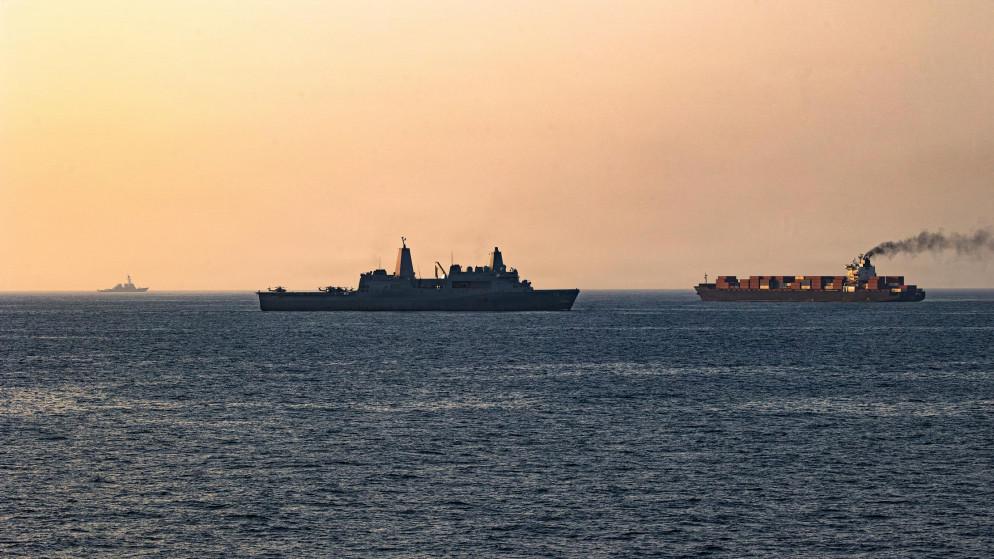
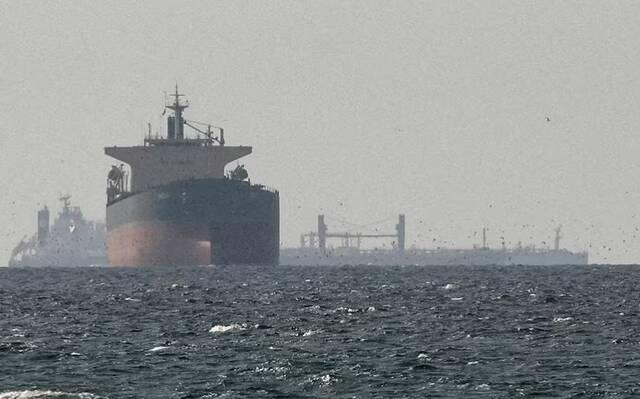
NPR described the operational reality: it said Iran attacked at least three commercial ships in the Strait of Hormuz Wednesday, “just hours after President Trump extended a ceasefire with Iran while continuing a U.S. naval blockade of the strait.”
NPR also reported that the UK Maritime Trade Operations (UKMTO) said a container ship was approached by “1 IRGC gun boat,” and that the gun boat “then fired upon the vessel which has caused heavy damage to the bridge.”
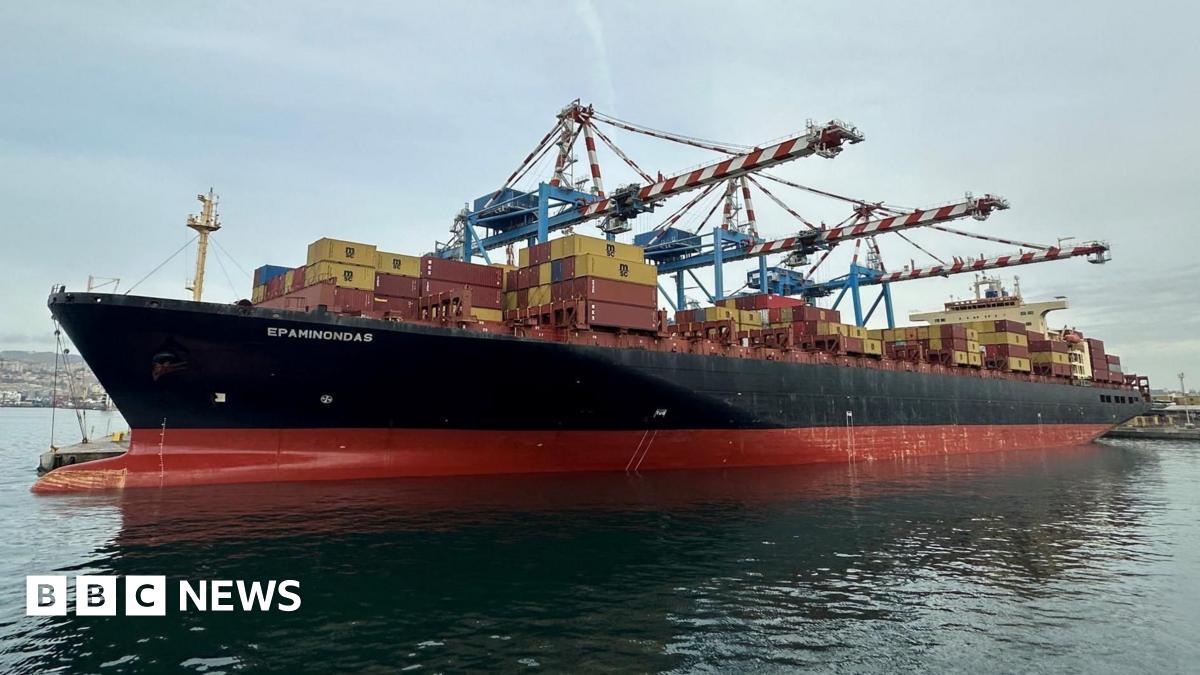
It further said Iranian media reported the Iranian navy “seized” two vessels identified as the MSC Francesca and the Epaminondas, while Fars news agency reported a third ship, the Euphoria.
LiveNOW from FOX said the U.S. Navy had directed “29 vessels to turn around or return to port since the blockade took effect,” and it also quoted Leavitt calling Iran’s actions “like a bunch of pirates.”
Iran’s conditions and rhetoric
Iran’s leadership and negotiators framed the ceasefire extension as insufficient unless the U.S. ends its maritime pressure, and multiple reports carried Iranian statements that cast the blockade as a breach of commitments.
NPR quoted Iranian President Masoud Pezeshkian saying Iran welcomes dialogue but that “breach of commitments, blockade and threats are main obstacles to genuine negotiations,” while it also quoted Mohammad Bagher Ghalibaf saying the ceasefire only makes sense if it is not violated by the maritime blockade.
NPR further reported that Foreign Minister Abbas Araghchi said earlier that “blockading Iranian ports is an act of war” and that the U.S. blockade and seizure of an Iranian ship over the weekend were ceasefire violations.
The Sunday Guardian reported that Iran demanded the removal of the U.S. naval blockade before talks could restart, quoting UN Ambassador Amir Saeid Iravani saying, “The naval blockade of the United States, it is a violation of the ceasefire.”
In the same Sunday Guardian account, Iravani said, “break this blockade,” and added that “as soon as they break this blockade, I think that the next round of the negotiation will take place in Istanbul.”
lamilano.it echoed the Iranian position by saying Tehran’s official stance was that “no new round of negotiations can take place until the United States ends its blockade and maritime pressure in the Hormuz area,” and it said Iranian Ambassador to the UN, Amir-Saeid Iravani, reiterated that only after those measures are lifted can a new meeting in Islamabad be considered.
englishpunjabkesari also reported that President Masoud Pezeshkian suggested that actions including the U.S. naval blockade of Iranian ports are “detrimental to genuine peace negotiations.”
U.S. framing and financial pressure
U.S. officials and the Trump administration portrayed the blockade as leverage and disputed that the ship seizures or attacks violated the ceasefire, while also emphasizing economic pressure and the need for a unified proposal.
LiveNOW from FOX quoted White House press secretary Karoline Leavitt saying the seizure of two ships by Iran in the Strait of Hormuz “did not violate the terms of its ceasefire with the U.S. because the vessels were not American or Israeli vessels,” and it said she described the ships as international vessels taken by gun boats.

LiveNOW also said Leavitt accused Iran of acting “like a bunch of pirates,” and it added that “the U.S. blockade on Iranian ports remains in effect.”
In englishpunjabkesari, Leavitt affirmed that President Trump is content with the ongoing naval blockade and said Iran is experiencing “substantial economic pressure,” while it also said she clarified that any reports of a fixed deadline for a ceasefire extension are inaccurate.
Scripps News similarly quoted Leavitt’s claim that “They're losing $500 million a day,” and it described the White House’s demands as including nuclear and maritime conditions.
NPR reported that Treasury Secretary Scott Bessent wrote that under Trump’s orders, “the U.S. Navy will continue the blockade of Iran's ports,” and said his office would continue to “systematically degrade Tehran's ability to generate, move, and repatriate funds.”
NPR also included Trump’s Truth Social post asserting, “Iran is collapsing financially! They want the Strait of Hormuz opened immediately- Starving for cash! Losing 500 Million Dollars a day.”
Escalation risks and international response
As the ceasefire extension played out, multiple reports described preparations for mine clearance and international coordination, alongside political signals in Washington and direct threats in the region.
LiveNOW from FOX said the Pentagon told lawmakers it will likely take “six months to clear the mines set in the strait,” citing a source told The Associated Press, and it also said the U.S. Senate rejected an attempt to stop Trump’s military efforts in Iran, with the resolution failing 46-51.
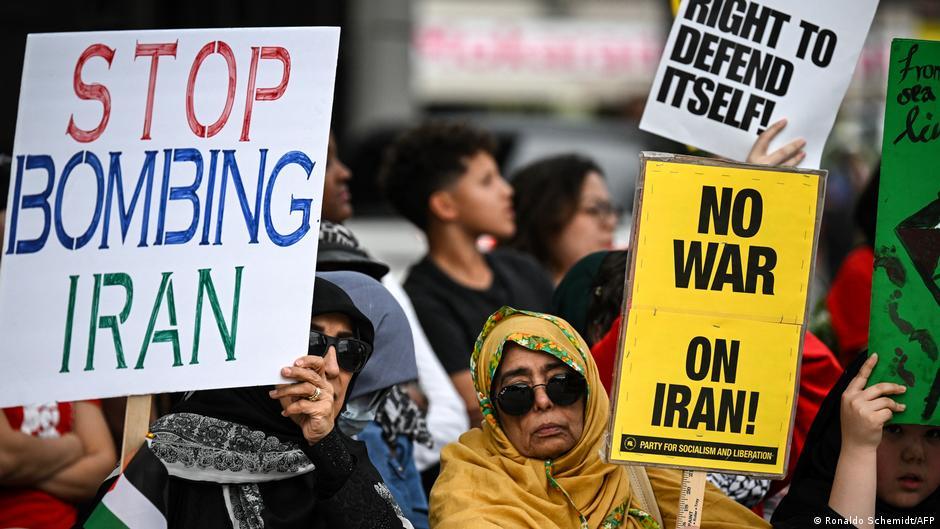
NPR said the United Kingdom and France were hosting a two-day conference starting Wednesday aimed at reopening the Strait of Hormuz and that one challenge was to remove undersea mines Iran is believed to have planted there, while it also said military planners from more than 30 countries were meeting at a Royal Air Force base north of London to put together a multinational mission.
The same NPR report said a poll in the U.K. showed “1 in 10 people are already stockpiling fuel,” and it described British defense officials floating autonomous mine-hunting systems from motherships sent to the Gulf.
In parallel, the Maine Wire reported that negotiations to end the war hit an impasse as a fragile two-week ceasefire was set to expire Wednesday evening, April 22, 2026, and it said Trump signaled he was “highly unlikely” to extend the truce if no final agreement was reached.
It also said Trump warned that if the ceasefire ends without a deal, the United States will bomb Iran’s power plants, and that if Iran rejects a deal, the United States will destroy the country’s power plants and bridges.
Meanwhile, the وكالة معا الاخـبـارية report said the second round of talks ended in Geneva without a breakthrough and included “an unprecedented verbal clash,” after which Iran’s Supreme Leader Ali Khamenei sent a message to Trump saying, “You will not be able to destroy Iran. These threats are a sign of weakness, not strength.”
More on Iran
Iran Fires on Three Ships and Seizes Two in Strait of Hormuz, Trump Extends Ceasefire
28 sources compared

Trump Extends Iran Ceasefire While US Keeps Naval Blockade in Strait of Hormuz
18 sources compared
Iran’s Islamic Revolutionary Guard Corps Seizes Two Ships in Strait of Hormuz After Trump Ceasefire Extension
20 sources compared
Scammers Impersonate Iranian Authorities, Demand Bitcoin and Tether for Strait of Hormuz Transit
18 sources compared