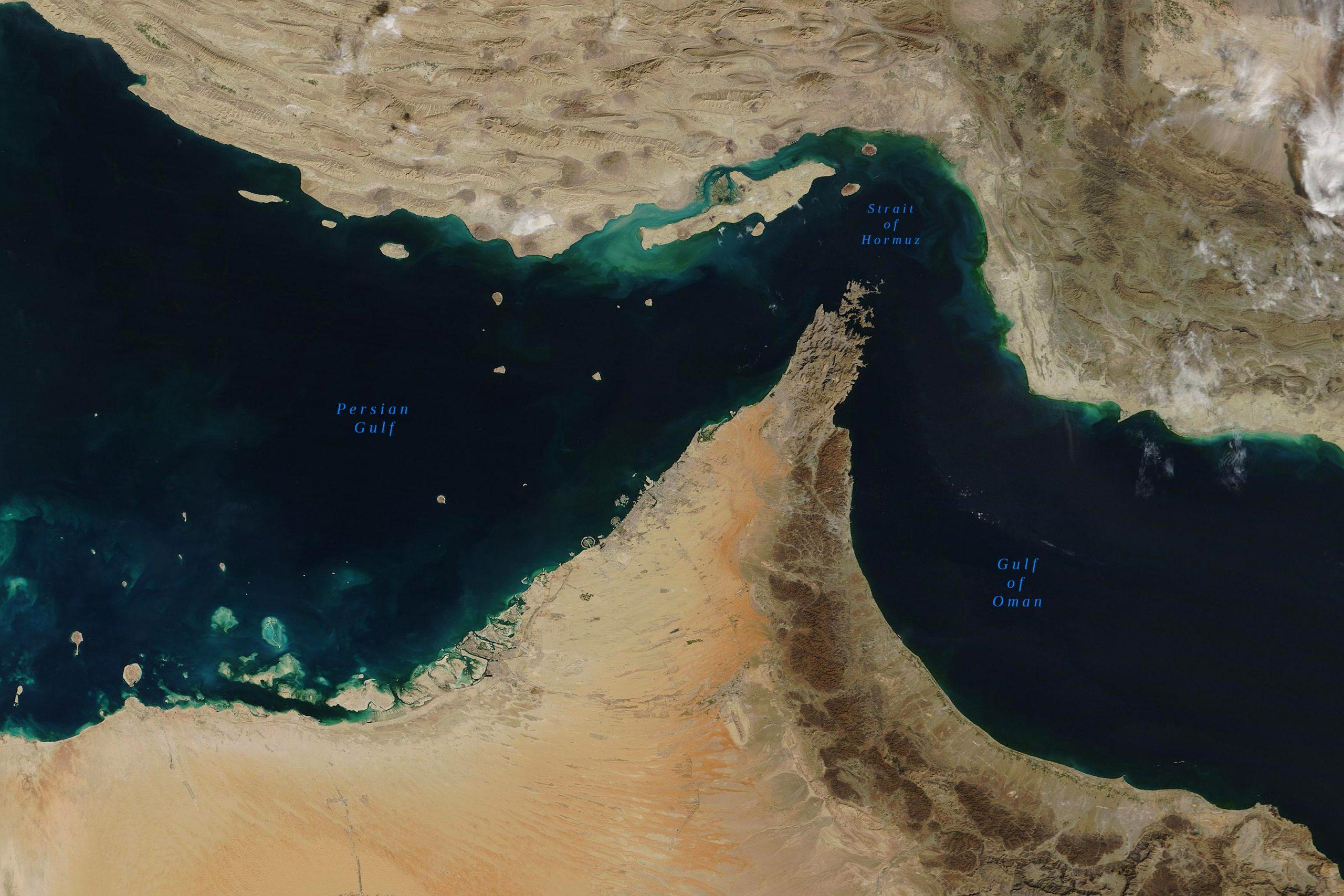
Iran’s Islamic Revolutionary Guard Corps Seizes Two Ships in Strait of Hormuz After Trump Ceasefire Extension
Key Takeaways
- IRGC seized two cargo ships in the Strait of Hormuz and escorted them to Iran.
- Seizure occurred hours after Trump extended the ceasefire indefinitely.
- The vessels were Mediterranean Shipping Company (MSC)-operated.
Hormuz Seizures After Ceasefire
Iran’s Islamic Revolutionary Guard Corps seized two foreign ships in the Strait of Hormuz on Wednesday, according to Iranian state media, hours after President Donald Trump extended a ceasefire with Iran that was set to expire.
“This website is unavailable in your location”
BBC reported that Iran’s navy said it had seized two cargo ships and taken them to Iran’s coast after reports that three vessels came under fire from Iranian forces.

The BBC said Nour News, affiliated with Iran’s Supreme National Security Council, reported the IRGC opened fire on a first ship it called the Epaminodes after it had "ignored the warnings of the Iranian armed forces".
A second ship, named Euphoria, was then stopped after being "fired upon", followed by the targeting of a third vessel, the MSC-Francesca, according to BBC Verify.
BBC Verify said the first ship targeted on Wednesday morning was a Greek-owned vessel called the Epaminondas, while the IRGC Naval Command said both it and the Panama-flagged MSC-Francesca had been seized after endangering maritime security "by operating without the necessary permits and tampering with navigation systems".
The BBC added that the two vessels will have their cargo and documents examined, and that the interceptions came hours after Trump extended a two-week ceasefire with Iran until talks between the two nations come to a conclusion.
The Washington Post similarly described the reported seizures as injecting uncertainty into a cease-fire Trump extended on Tuesday hours before it would have expired, and it quoted the White House press secretary Karoline Leavitt saying, "These were not U.S. ships" and "These were not Israeli ships."
What Trump Extended and Why
The seizures occurred in a narrow window of time around Trump’s ceasefire extension and the continuing U.S. blockade of Iranian ports, with multiple outlets tying the maritime incidents to the fragile diplomacy.
BBC said the interceptions came hours after Trump extended a two-week ceasefire with Iran until talks between the two nations come to a conclusion, and it described the earlier deal as Iran and the US agreeing the initial two-week truce on 8 April.

BBC also reported that Trump said on Tuesday he had been asked to hold off on attacking Iran by Pakistan, which has been acting as a mediator, while a US blockade of Iran's ports would continue.
The BBC further stated that on 13 April the US started a naval blockade of maritime traffic entering and leaving Iranian ports, announced less than a day after lengthy talks between the US and Iran in Pakistan failed to reach a deal.
Politico reported that Trump announced he was extending the ceasefire indefinitely Tuesday, and it quoted White House press secretary Karoline Leavitt playing down the implications in a Fox News interview by insisting, “These were not U.S. ships,” and “These were not Israeli ships.”
CNBC said the strait remained basically closed on Wednesday’s first day since Trump extended the ceasefire, noting that Iran was still trying to control ship traffic while the U.S. imposes a blockade of Tehran's ports and vessels.
In parallel, CNBC reported that Iran’s parliament speaker Mohammad Bagher Ghalibaf said, "reopening the Strait of Hormuz is impossible" as long as the U.S. blockade is in place, directly linking the blockade to the dispute over passage.
Iran’s Justification and U.S. Pushback
Iran framed the seizures as enforcement tied to maritime rules and permits, while U.S. officials and the White House press secretary argued the actions did not breach the ceasefire.
“Iran says it has seized two ships in Strait of Hormuz after vessels attacked Iran's navy said it has seized two cargo ships in the Strait of Hormuz and taken them to the country's coast after reports that three vessels came under fire from Iranian forces”
BBC reported that IRGC Naval Command said both it and the Panama-flagged MSC-Francesca had been seized after endangering maritime security "by operating without the necessary permits and tampering with navigation systems".
BBC also said the interceptions followed reports that three vessels came under fire from Iranian forces, with Nour News describing the first ship as having "ignored the warnings of the Iranian armed forces".
Vanguard, as relayed by BBC Verify, told BBC Verify that the ship was hailed by the IRGC and "instructed to drop anchor," and that the vessel reported "damage to the hull and accommodation".
The Washington Post described the White House response through Karoline Leavitt, who told Fox News that Mr. Trump did not view the seizures as a violation of the cease-fire, repeating, "These were not U.S. ships" and "These were not Israeli ships."
CNBC added that Iran’s parliament speaker Mohammad Bagher Ghalibaf said reopening the strait is impossible while the U.S. blockade is in place, and it reported that at least eight ships transited the strait Wednesday including three oil tankers.
The Hill described UKMTO reporting that an IRGC gun boat approached and then fired on a container ship located 15 nautical miles northeast of Oman, causing “heavy damage” to the ship’s bridge, and it said no fires or environmental damage were reported and the crew was reported safe.
Competing Narratives and Uncertainty
Different outlets emphasized different aspects of the same sequence, underscoring how the reported seizures complicated the ceasefire’s political meaning.
BBC focused on the chain of events in the strait, naming the ships and describing the IRGC’s stated reasons, including that the IRGC opened fire on the first ship after it had "ignored the warnings of the Iranian armed forces" and that the IRGC Naval Command said the vessels were seized for operating without permits and tampering with navigation systems.

Politico, by contrast, foregrounded the White House framing and the argument that the seizures did not violate the ceasefire, quoting Karoline Leavitt’s Fox News remarks that, “These were not U.S. ships,” and “These were not Israeli ships,” and describing the action as taken by speedy gunboats.
Time described the seizures as Tehran’s escalation and said it was the first time Tehran has seized ships since the start of the war on Feb. 28, while also stating that UKMTO reported two vessels came under gunfire.
The Washington Post framed the same development as new uncertainty over peace talks, writing that the reported seizures made clear that despite efforts to turn the pause in direct hostilities into a lasting peace, neither Iran nor the United States is shying away from trying to exert control over the waterway.
CNBC emphasized the operational reality in shipping, saying traffic remained very light and that the strait stayed basically closed, while also reporting that at least eight ships transited the strait Wednesday including three oil tankers.
NBC 6 South Florida added a diplomatic layer, saying the White House suspended Vice President JD Vance’s planned trip to Islamabad as Iran rebuffed efforts to restart negotiations, and it reported that Panama condemned ‘illegal seizure’ of a vessel traveling under its flag through Strait of Hormuz.
What Happens Next
The seizure reports and the continuing blockade sharpened the stakes for both negotiations and maritime security, with multiple outlets describing immediate next steps and longer-term consequences.
BBC reported that Iran’s chief negotiator Mohammad Bagher Ghalibaf said on Wednesday that it was "not possible to reopen the Strait of Hormuz considering all the blatant violations of the ceasefire," and it said he cited breaches including the US blockade of Iranian ports.

BBC also said President Masoud Pezeshkian later said the blockade and "breach of commitments" were obstacles to "genuine negotiations" with the US.
BBC further stated that Iran’s foreign ministry earlier told the BBC that Tehran had still not decided whether it will attend a new round of peace talks with the US.
Politico reported that Iran has signaled it won’t send its negotiating team to continue talks with the U.S. in Pakistan until the blockade is lifted, and it quoted Trump’s Truth Social post directing the military to continue the blockade and extend the ceasefire.
CNBC reported that ship traffic remained light and that the security situation remains dangerous, with UKMTO warning ships that there are "high levels of activity" in the strait.
NBC 6 South Florida reported that the Pentagon told lawmakers it will likely take six months to clear the mines set in the strait, according to an AP source.
More on Iran
Trump Extends Ceasefire as US-Iran Peace Talks Stall and Strait of Hormuz Tensions Rise
22 sources compared
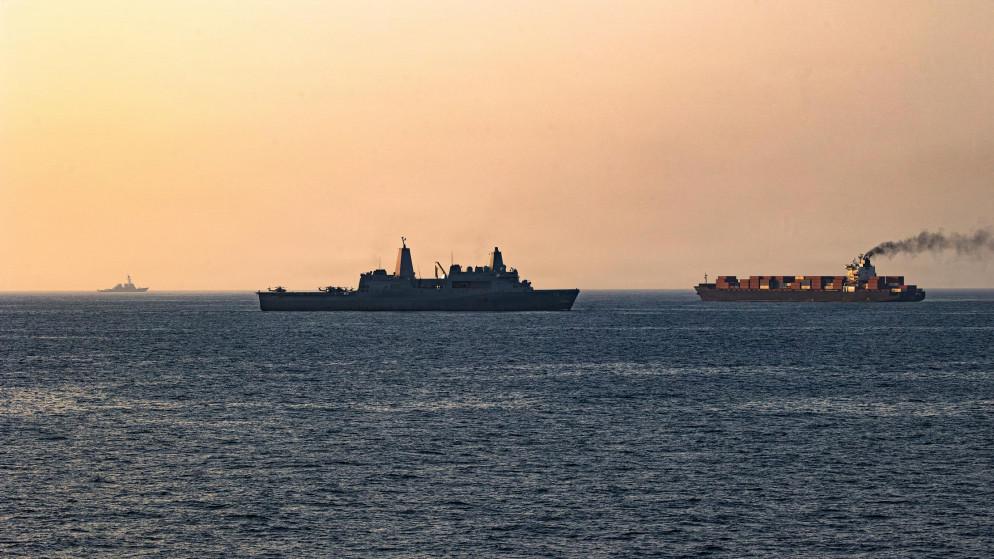
Iran Fires on Three Ships and Seizes Two in Strait of Hormuz, Trump Extends Ceasefire
28 sources compared

Trump Extends Iran Ceasefire While US Keeps Naval Blockade in Strait of Hormuz
18 sources compared
Scammers Impersonate Iranian Authorities, Demand Bitcoin and Tether for Strait of Hormuz Transit
18 sources compared