
Iran Blockades Strait of Hormuz, Drives Oil Above $100; U.S. Sends 2,500 Marines
Key Takeaways
- Iran has closed and mined the Strait of Hormuz, blocking commercial vessel transits
- Global crude oil prices surged above $100, settling near $103 per barrel, over 40% rise
- U.S. is dispatching 2,500 Marines and additional warships to the Middle East
Strait closed, oil spikes
Iran has effectively closed or severely constrained passage through the Strait of Hormuz, halting much commercial transit and pushing oil prices above $100 a barrel.
“Iran war has blocked the Strait of Hormuz, a vital oil choke point”
The New York Times reported that “With Iran effectively blockading the Strait of Hormuz, oil prices rose again on Friday, reaching the highest end-of-day level since 2022,” and noted Brent settled “above $103 a barrel.”
The Guardian described the practical effect on shipping: “More than 1,000 cargo ships, mainly oil and gas tankers, have been blocked from transiting the strait of Hormuz,” while Logistics Viewpoints emphasised the chokepoint’s importance: “The Strait of Hormuz is one of the most critical corridors in the global energy supply chain. Approximately 20 percent of global oil supply moves through this narrow waterway.”
NBC underscored the scale of lost traffic, saying “Traffic is down 90% amid the crisis, with hundreds of ships at anchor off the coasts of major oil exporters.”
Attacks on commercial ships
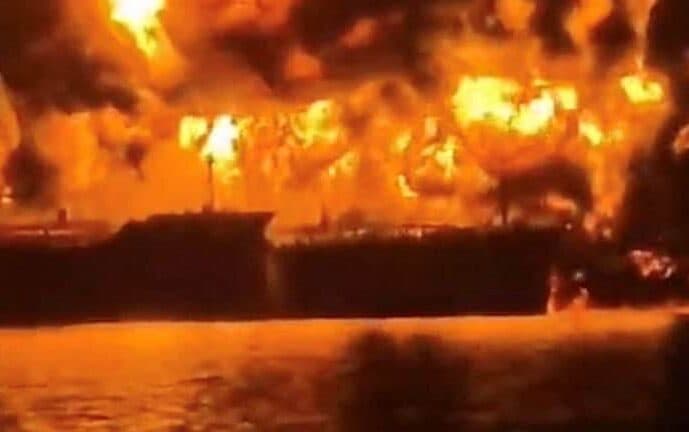
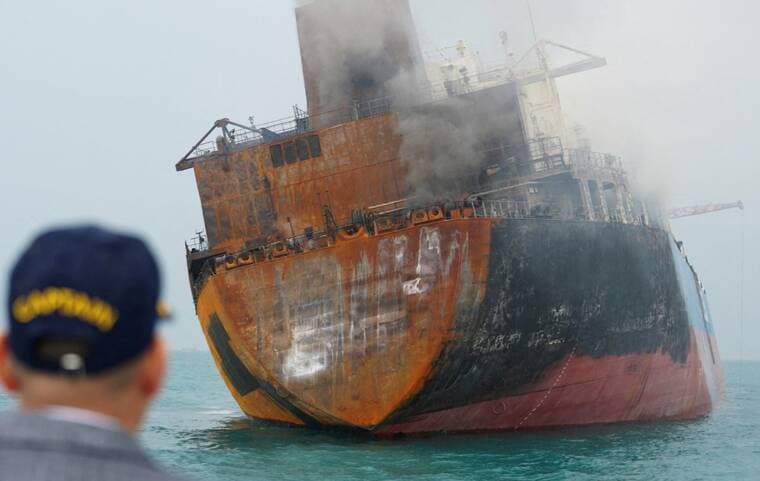
The closure follows repeated attacks on commercial vessels and tankers, leaving fires and casualties and prompting evacuations.
Le Monde documented one incident: footage showed “the Mayuree-Naree's stern is seen ablaze” after it was struck “by 'two projectiles of unknown origin' 11 nautical miles (20 kilometers) north of the city of Khasab,” and reported three people remained missing.

Logistics Viewpoints reported that “explosive-laden boats believed to be operated by Iranian forces attacked two fuel tankers near Iraqi oil terminals, setting them ablaze and killing at least one crew member.”
The Honolulu Star-Advertiser also said “Two tankers were ablaze in an Iraqi port after a hit by suspected Iranian explosive-laden boats … At least one crew member was killed,” while NBC counted a broader pattern: “In all, 13 ships have been hit in the strait since U.S. and Israeli strikes sparked the war.”
U.S. military buildup
Washington has responded by sending more forces to the region while weighing naval escort options that have not yet been put into sustained effect.
“If those shipments are blocked during the spring planting season, it could wreak havoc on food inflation, according to Pelli”
The New York Times reported that “The United States is sending an additional 2,500 Marines aboard as many as three warships to the Middle East, officials said, to join about 50,000 troops already amassed in the region,” and added that it was “unclear how the new deployment would be used.”
The Associated Press noted that navies with Red Sea escort experience could apply those lessons, saying “And then escort operations could begin,” and highlighting that “French frigates used machine guns, cannons and sophisticated air-defense missiles to fend off Houthi strikes.”
NBC and The Guardian both warned that escorts are a heavy lift: NBC quoted experts saying that providing escorts “would require a very large and sustained naval presence,” and the Guardian said proposed escorts “have failed to materialise.”
Escort limits, insurance spike
Practical obstacles and market responses have undercut both passage and rapid fixes: Iran's missile, drone and small-boat capabilities, reports of mines, and skyrocketing war-risk insurance make escorts and commercial transits hazardous and costly.
The Guardian warned Iran “has attacked ships and reportedly started to lay mines in the strait,” and AP emphasised Iran’s greater reach compared with Yemen proxies, reporting that Iran “can reach all of the Strait of Hormuz and its approaches with anti-ship cruise missiles.”
Seatrade Maritime News described the insurance reaction: “war cover is now available on a specifically agreed single voyage basis” and noted premiums had jumped, with brokers “estimating the cover to have risen by a factor of ten or twelve to 3% of a ship’s value.”
NBC put the insurance shock in stark terms, saying premiums in some cases “have risen by as much as 1,000%.”
Global economic fallout
The bottleneck has immediate global economic consequences beyond fuel prices: governments are releasing reserves while analysts warn broader supply chains will be affected.
“is a net oil exporter but also the world’s biggest oil consumer”
The New York Times reported Brent trading above $103 and that “oil prices rose again… up more than 40 percent since the U.S.-Israeli war against Iran began,” and Logistics Viewpoints reiterated the region’s centrality to energy supplies and noted that governments “have agreed to release roughly 400 million barrels of oil from reserves to stabilize supply.”
CBT News warned disruptions “could impact the aluminum, fertilizer, petrochemicals, and semiconductor industries,” and the New York Daily News highlighted how routine transit collapsed: “About 50 oil tankers a day normally sail through the Straits of Hormuz. That number has plunged to low single digits or zero since the war started Feb. 28.”
More on Iran
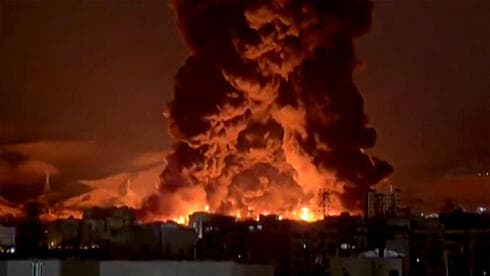
US obliterates military targets on Iran’s Kharg Island, Trump warns
13 sources compared
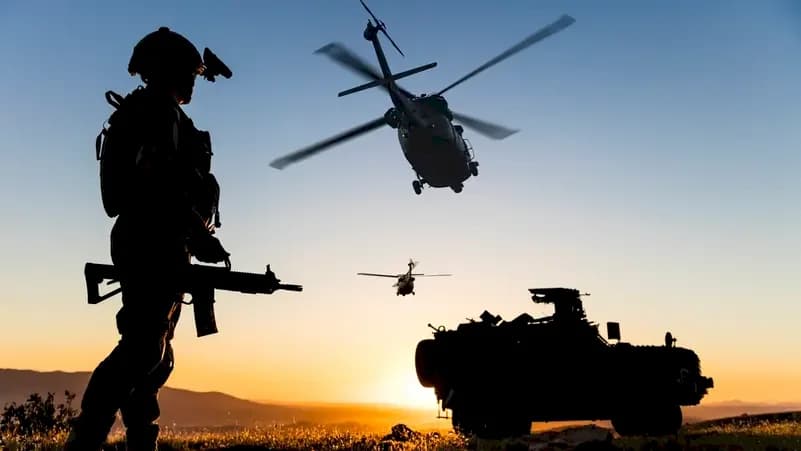
US Deploys About 2,500 Marines to Middle East After Iran Attacks Gulf Shipping
33 sources compared
FBI Warns of Iranian Drone Plot Based on Unverified Tip; California Says No Credible Threat
10 sources compared

White House Demands ABC Retract Report Claiming Iran Sought To Launch Drone Attacks On California
11 sources compared