
Iran Can Ramp Up Attacks on Gulf Energy Infrastructure
Key Takeaways
- Iran can escalate attacks on Gulf energy infrastructure amid wider Iran-Israel conflict.
- Strait of Hormuz disruptions impede Gulf oil shipments during the conflict.
- Global energy prices rise as Gulf supply constraints persist.
Iran's Escalation
Iran has significantly escalated its attacks on Gulf energy infrastructure.
“You expressly agree that the use of this app/website is at your sole risk”
Reports indicate the Islamic Republic has fired over 1,900 missiles and drones at the UAE alone.
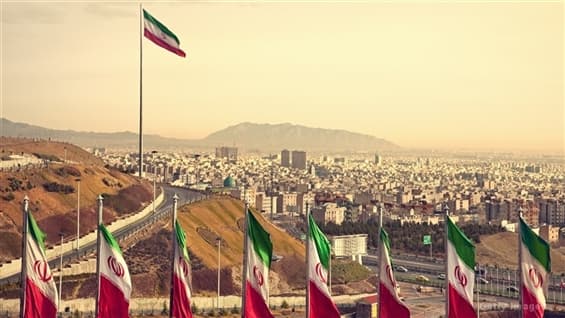
The UAE has been the most heavily targeted country by Tehran since the Middle East conflict began.
The Iranian government has systematically targeted shipping lanes and energy facilities.
These attacks have disrupted commercial air travel and choked global energy supplies.
Iran's parliament speaker Mohammad Bagher Qalibaf has declared that the Strait of Hormuz 'cannot be as it was before'.
Iranian fire has kept nearly all traffic out of this strategic waterway.
The strait typically handles 20% of all exported oil and natural gas.
Iranian Threats
Tehran has openly threatened to further escalate attacks on Gulf energy infrastructure.
Iranian officials have declared their intent to defend the Strait of Hormuz.
They have called for U.S. forces to withdraw from the region.
Ali Mojtaba Rouzbehani, Iran's ambassador in Turkmenistan, stated that 'the Strait of Hormuz is not currently closed'.
He added that 'no ships can pass through the strait' due to Iranian aggression.
Iran has vowed to defend the strait's stability and security.
The Iranian ambassador accused U.S. and Israeli forces of targeting critical infrastructure.
He specifically mentioned 'water treatment plants, fuel storage facilities, and other facilities'.
He warned that these ongoing threats must end.
Regional Impact
The impact of Iran's attacks on Gulf energy infrastructure has been severe.
“You expressly agree that the use of this app/website is at your sole risk”
Missile debris killed a Pakistani national in Abu Dhabi.
The incident occurred in the Bani Yas area following interception of a ballistic missile.
Qatar reported intercepting missile attacks with explosions heard across Doha.
Nearby Dubai experienced three explosions after mobile phone alerts.
Residents were warned of 'potential missile threats' in the UAE's most populous city.
The attacks have created widespread disruption in the region.
Iraq is working to resume oil exports through the Kirkuk-Ceyhan pipeline to Turkey.
This effort aims to lessen disruptions stemming from the war.
Baghdad has been in direct contact with Tehran regarding oil tankers through Hormuz.
Strategic Approach
Iran's targeting of Gulf energy infrastructure appears to be part of asymmetric warfare.
The Islamic Republic is deliberately disrupting global energy supplies.
This strategy aims to pressure Israel and the United States.
The attacks coincide with U.S. military operations across Iran.
The U.S. has struck more than 7,000 targets in Iran.
U.S. operations have achieved '90% reduction in ballistic missile launches'.
They have also achieved '95% reduction in drone attacks'.
Iran views disrupting oil flows as key leverage in the conflict.
China has responded with emergency humanitarian assistance.
This aid targets Iran and other affected Middle Eastern countries.
The response indicates regional and global implications of the attacks.
More on Iran

Israel strikes Iran's Pars gas field as Tehran vows revenge
14 sources compared
Trump threatens to blow up South Pars gas field if Iran attacks Qatar again
10 sources compared
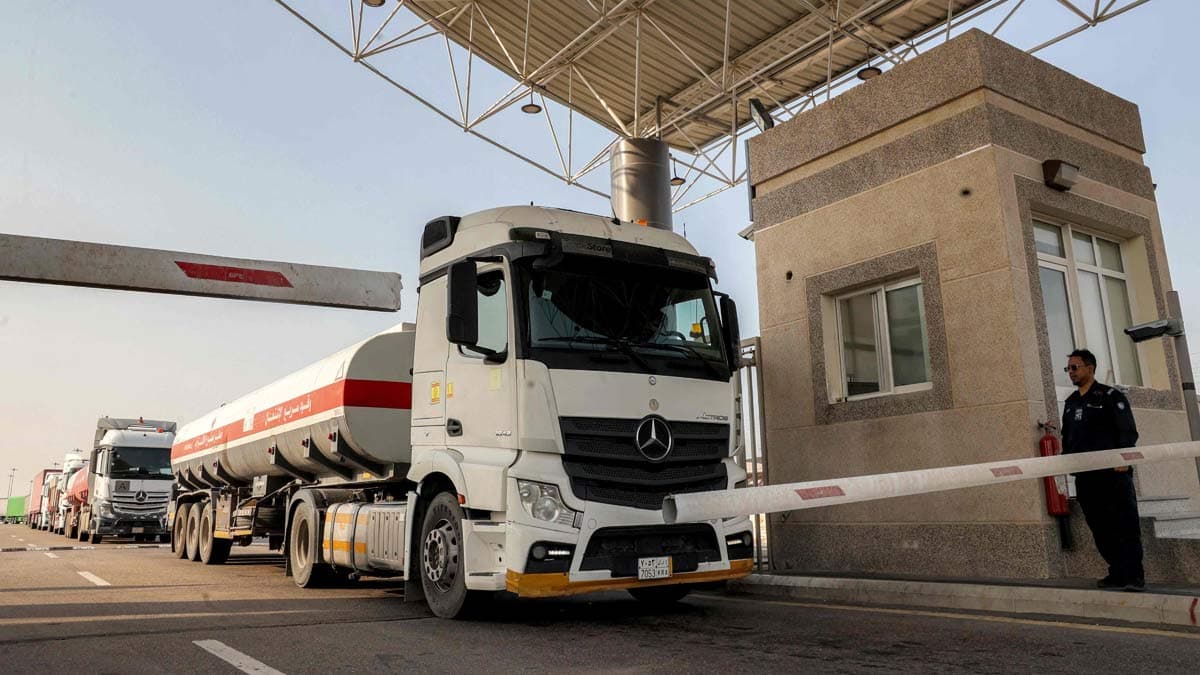
UAE Halts Habshan Gas Facility Operations After Debris From Intercepted Missiles
10 sources compared

Iran Threatens Gulf Energy Facilities After Israel Strikes South Pars Gas Field
11 sources compared