
Iran Charges Service Fees For Ships Through Strait Of Hormuz, Says Ambassador Fazli
Key Takeaways
- Iran will impose service fees on ships transiting the Strait of Hormuz.
- Allied countries will receive special treatment or exemptions from the fees.
- Hormuz is part of Iran's territorial waters; traffic coordination with Oman planned.
Service fees after 60 days
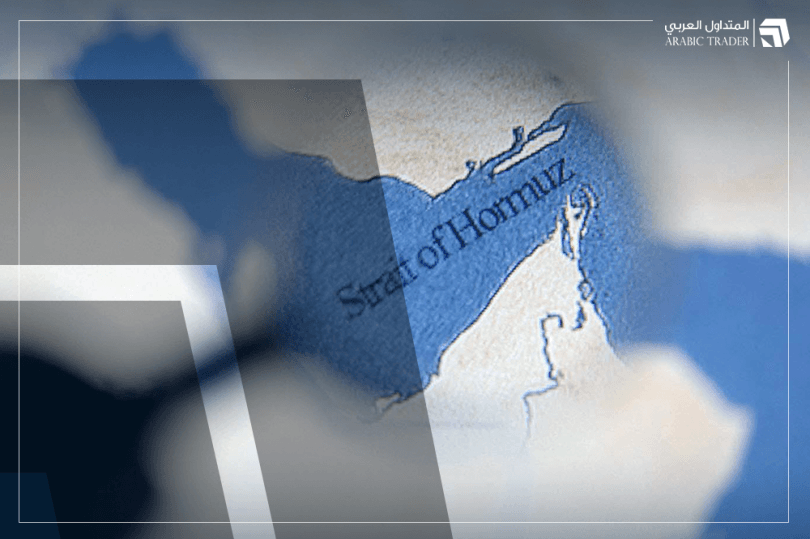
Iran’s ambassador to China, Abdolreza Rahmani Fazli, said at the World Peace Forum in Beijing that Iran will charge service fees for ships passing through the Strait of Hormuz because it is “part of its territorial waters.”
“Iran’s ambassador to China says ships transiting the Strait of Hormuz would be charged new fees but added that China and other “friendly” countries would be granted “special considerations””
Fazli said Iran is working in “collaboration and cooperation” with Oman on “new arrangements” for the strait, and he described the charges as guaranteeing security of passage and addressing the environmental consequences of the “massive number of ships.”

The announcement came after a U.S.-Iran interim peace agreement that provided ships could use Hormuz without paying any fee for 60 days after the ceasefire, and multiple outlets said it remained unclear when the new system would take effect after that period.
The Media Line framed the move as contrasting with President Donald Trump’s warning that negotiations would end if Tehran sought to impose charges for passage through the strategic waterway.
In parallel, Al Jazeera reported that Fazli insisted the fees would not be a “toll,” even as he said “special considerations” would be granted to China and other “friendly” countries.
Trump, Oman, and ‘friendly’ treatment
The Media Line said Trump warned that negotiations would end if Iran sought to impose charges, and it cited Trump’s Truth Social post asserting there were “NO TOLLS, NO INSURANCE COSTS, & NO OTHER CHARGES OF ANY KIND BEING SOUGHT OR RECEIVED BY IRAN ON SHIPS TRAVELING THE STRAIT OF HORMUZ.”
Al Jazeera reported that Fazli told the World Peace Forum in Beijing that “As a country where the Hormuz is part of its territorial waters, we will definitely charge service fees,” while insisting the fees would not be a “toll.”
Al Jazeera also said Iran’s NourNews agency quoted Fazli as saying “special considerations” would be applied to China and other friendly nations in determining the level and type of service fees.
The Jerusalem Post added that the Islamic Republic planned to charge fees while offering exemptions to “friendly nations,” and it contrasted that with Trump’s claim that Iran promised there would be no “CHARGES OF ANY KIND BEING SOUGHT OR RECEIVED BY IRAN ON SHIPS TRAVELING THE STRAIT OF HORMUZ.”
In the same dispute, the Jerusalem Post quoted military historian Dr. Lynette Nusbacher saying there was “breathing room for Iran and Oman to charge a fee for services provided,” tying the argument to the wording of the MoU and the possibility of a new arrangement after the 60-day period.
What’s at stake next
Iran’s ambassador said the new arrangements would be made in cooperation with Oman, and Al Jazeera reported that Iran and Oman have established a joint committee to determine how the strategic waterway will be managed.
Al Jazeera linked the stakes to disruption during the war launched by the U.S. and Israel in late February, saying the strait was “all but closed” by Iran and that energy prices “soared,” while also noting that in April the U.S. imposed a corresponding naval blockade on Iran’s southern ports.
In parallel, Marine Insight said Fazli added that Iran would offer “favourable terms” to nations that supported it during the conflict, and it said he did not name which countries would receive special treatment or explain how the policy would be implemented.
The Jerusalem Post framed the legal and diplomatic tension by citing UNCLOS language, stating that under Articles 38 and 44 coastal states bordering Iran and Oman cannot suspend, impede, or charge tolls for vessels passing through the Strait of Hormuz.
Finally, the Iranian International report said Fazli stated Iran would begin collecting service charges after the sixty-day deadline specified in the understanding with the United States expires, while also saying the level and type of service charges would take into account special treatment for China and other “friendly” countries.
More on Iran

Emmanuel Macron Arrives in Damascus for First Post-Assad Western European Visit
29 sources compared

Hundreds Of Thousands Attend Ayatollah Ali Khamenei Funeral Procession In Tehran
16 sources compared
Donald Trump Says U.S. Is Not Seeking Regime Change in Iran
12 sources compared
Pentagon Plans US Ground Troop Deployment to Lebanon to Disarm Hezbollah, PressTV Says
16 sources compared