
Mojtaba Khamenei Says US Suffered Disgraceful Defeat in War Plans Against Iran
Key Takeaways
- Khamenei says the United States suffered a disgraceful defeat in its war against Iran.
- State television broadcast the message coinciding with Nowruz celebrations.
- Iran will protect its nuclear and ballistic capabilities amid tensions.
Khamenei’s “Defeat” Message
Iran’s Supreme Leader Mojtaba Khamenei declared that the United States suffered a “disgraceful defeat” in its war plans against Iran in a message broadcast on Iranian state television on Thursday, during the annual national celebration of “Persian Gulf” day.
In the message, Khamenei said, “Today, two months after the largest military deployment and aggression by the world’s bullies in the region, and the United States’ disgraceful defeat in its plans, a new chapter is unfolding for the Persian Gulf and the Strait of Hormuz.”
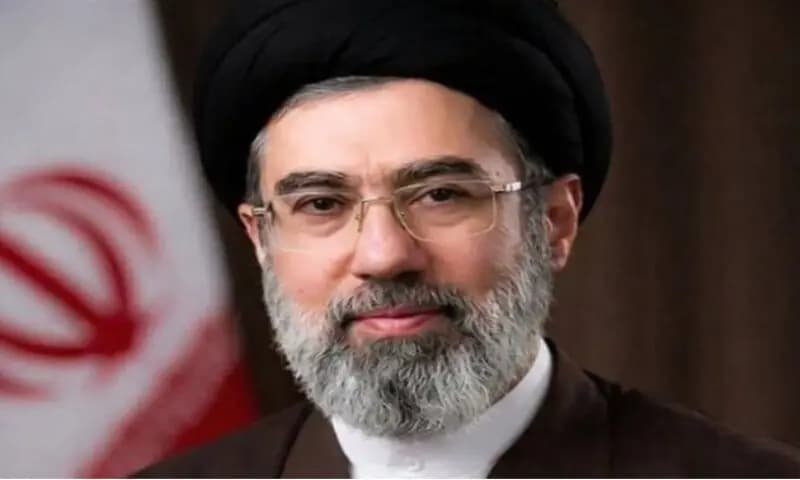
The message was delivered despite Khamenei “has yet to appear in public since his appointment on March 9 as Iran’s new supreme leader,” according to Free Malaysia Today.
i24NEWS similarly described that Khamenei released an anti-America, anti-Israel speech “despite not being seen since beginning of the war,” and said the message was for National Persian Gulf Day.
Multiple outlets tied the timing to the conflict that began after “the United States and Israel launched a massive campaign of strikes on Iran on February 28,” which killed Khamenei’s father and predecessor Ali Khamenei, in the account given by Free Malaysia Today and BGNES.
The message also framed the Strait of Hormuz as a strategic asset, with Khamenei calling the Persian Gulf an “irreplaceable blessing,” and saying it has “provoked the greed of many devils,” referring to the United States, Israel, and European countries, as i24NEWS put it.
Hormuz Rules and Defiance
Alongside the “disgraceful defeat” framing, Khamenei said Iran would implement what he described as “new legal framework and management” for the Strait of Hormuz, presenting it as a way to bring “comfort and progress” for countries in the region.
Free Malaysia Today reported that Khamenei hailed Iran’s “new legal framework and management” of the strategic Strait of Hormuz as a means to bring “comfort and progress,” and said he argued US bases in the region “lack even the capacity to ensure their own security, let alone provide any hope of securing their allies.”
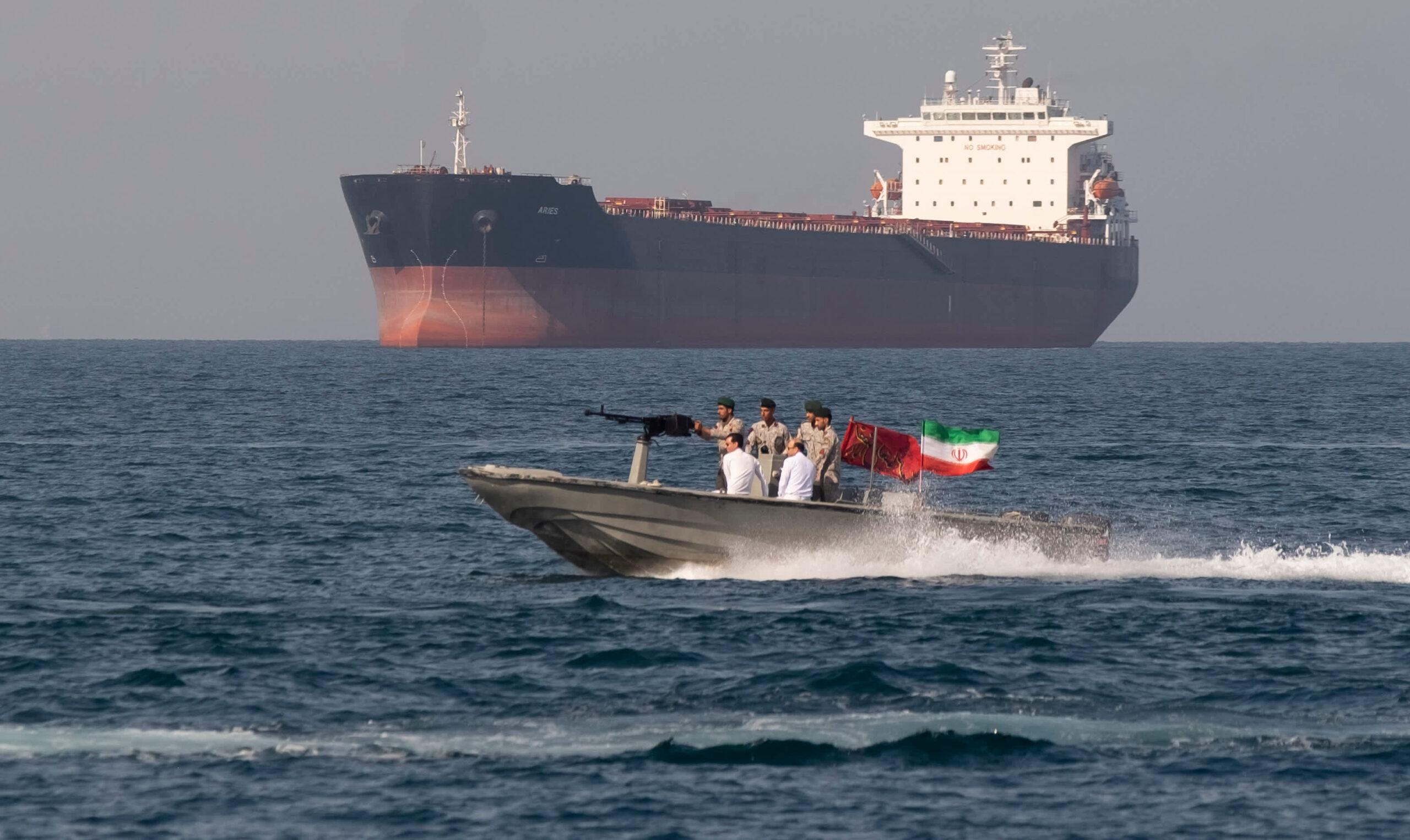
i24NEWS echoed the same thrust, saying Khamenei “says Iran will implement new management rules over the Strait of Hormuz amid the ongoing conflict,” while also quoting him describing foreigners as having “no place in region except at the bottom of its waters.”
Amad for Media (روزنامه دنیای اقتصاد) similarly presented Khamenei’s message as asserting that “the Iranian people, who possess the largest coastal extent on the Gulf,” had made sacrifices “against foreigners and aggressors,” and that “the future of the Gulf will be free of the American presence.”
The message also linked the Strait’s governance to Iran’s broader narrative of resistance and national assets, with Khamenei lauding capacities “from nano and bio to nuclear and missile” as national capital, in the wording used by Free Malaysia Today.
The same “new governing rules” theme appeared in Amad’s account, which said “Islamic Iran, in practical gratitude for this blessing—the management of the Strait of Hormoz—will make the Persian Gulf region safer,” and that “The new governing rules for the Strait of Hormuz will bring welfare and progress to all the region’s peoples.”
President and Navy Signals
While Khamenei’s message set the tone for a “new chapter” in the Persian Gulf and the Strait of Hormuz, other Iranian officials were described in the sources as taking a similarly defiant line.
Free Malaysia Today reported that “Earlier Thursday, Iran’s President Masoud Pezeshkian had said a US naval blockade imposed in retaliation against Iran’s action in Hormuz was ‘doomed to fail’,” adding that Pezeshkian said such measures would “not only fail to enhance regional security, but are in fact a source of tension and a disruption to lasting stability in the Persian Gulf.”
The same outlet said “Other figures have also struck a tone of defiance, with navy commander Shahram Irani signalling that Iran will deploy ‘in the very near future’ naval weaponry which it has recently developed.”
Kurdistan24 framed the broader context as a “new phase” with diplomacy “stalled,” describing “nearly two months of war between the United States, Israel, and Iran” that erupted “in late February after large-scale US-Israeli strikes on Iranian military and leadership targets.”
It also said Washington maintained “military pressure and a naval blockade,” while Iran used “its geographic position to disrupt global energy flows and extract concessions,” tying the Hormuz crisis to leverage in negotiations.
The Kurdish outlet further stated that “U.S. President Donald Trump has maintained a hardline stance toward Iran,” and that Trump rejected Tehran’s proposal to “ease tensions and reopen the Strait of Hormuz,” arguing it “fails to address Iran’s nuclear program.”
Analysts and Protest Narratives
Beyond official statements, the sources included Russian commentary and framing that cast the US-Israel campaign as a political and strategic failure.
A report attributed to Russian analyst Alexei Yaroshenko, speaking to IRNA, said the US and Israel’s aggression was “illegal” and claimed “an unprecedented level of unity among the Iranian people,” describing that “Following Washington and Tel Aviv's move to assassinate Ayatollah Khamenei (the Leader of the Revolution), hundreds of thousands of Iranians took to the streets to mourn.”
The same account said the US “believed that by assassinating the supreme leader of Iran, the government would fall, but the opposite happened and Iranian society demonstrated its stability and resilience.”
It also referenced protests in the United States, asserting that “These actions have provoked protests in the United States, and undoubtedly as the war continues, the wave of protests against Trump's war-mongering will grow.”
The report further cited an example of civilian impact, stating “the attack on the Minab Girls' School in which 165 children died,” and it linked that to the claim that protests would expand.
Another Russian writer, Vasily Zaitsev, was quoted in a separate analysis as describing the ceasefire as “a moment of humiliating exposure” for the American administration and calling the US-Israeli adventure “the most humiliating strategic defeat” in contemporary U.S. history.
Stalled Diplomacy and US Pressure
The sources also described the operational and diplomatic environment around the Hormuz crisis, including US efforts to keep shipping moving and the continued use of blockades.
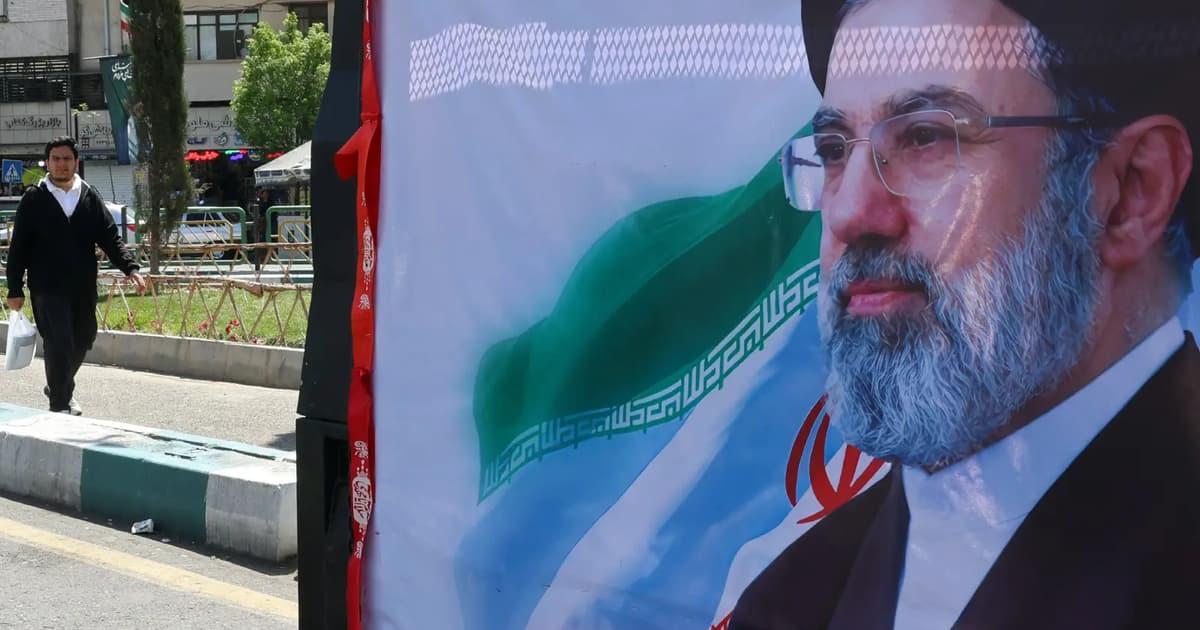
“Hegseth blasts ‘feckless and defeatist’ questioning of Iran war cost US Defence Secretary Pete Hegseth on Wednesday blasted lawmakers for their “feckless and defeatist” questioning of the cost of the Iran conflict during his first appearance before the House Armed Services Committee since the US and Israel launched the war”
France 24 reported that US Defence Secretary Pete Hegseth blasted lawmakers for questioning the cost of the Iran conflict, saying they were “feckless and defeatist,” and it placed the hearing in the context of the Trump administration’s bid to boost the 2027 defence budget to a landmark $1.5 trillion.
In the same France 24 report, the Wall Street Journal was cited saying “The United States is asking other countries to join a new international coalition that would enable ships to navigate the Strait of Hormuz after traffic through the waterway stalled,” and the coalition was dubbed the “Maritime Freedom Construct.”
The report also said the USS Ford aircraft carrier had been at sea for “more than 300 days,” and that it would be leaving the Middle East and returning to its home port in Virginia “in mid-May,” according to two US officials who spoke on condition of anonymity.
Kurdistan24, meanwhile, described Washington’s posture as maintaining “military pressure and a naval blockade,” while Iran “leveraged its geographic position to disrupt global energy flows and extract concessions,” and it said negotiations remained stalled with both sides holding “maximalist demands.”
Free Malaysia Today added that Iran had allowed only “a trickle of ships to pass through the waterway,” and said a senior lawmaker told it that Tehran had received “the first revenue from tolls it imposed on the strait.”
More on Iran

Mojtaba Khamenei Vows To Guard Iran’s Nuclear And Missile Programs In Strait Of Hormuz
15 sources compared
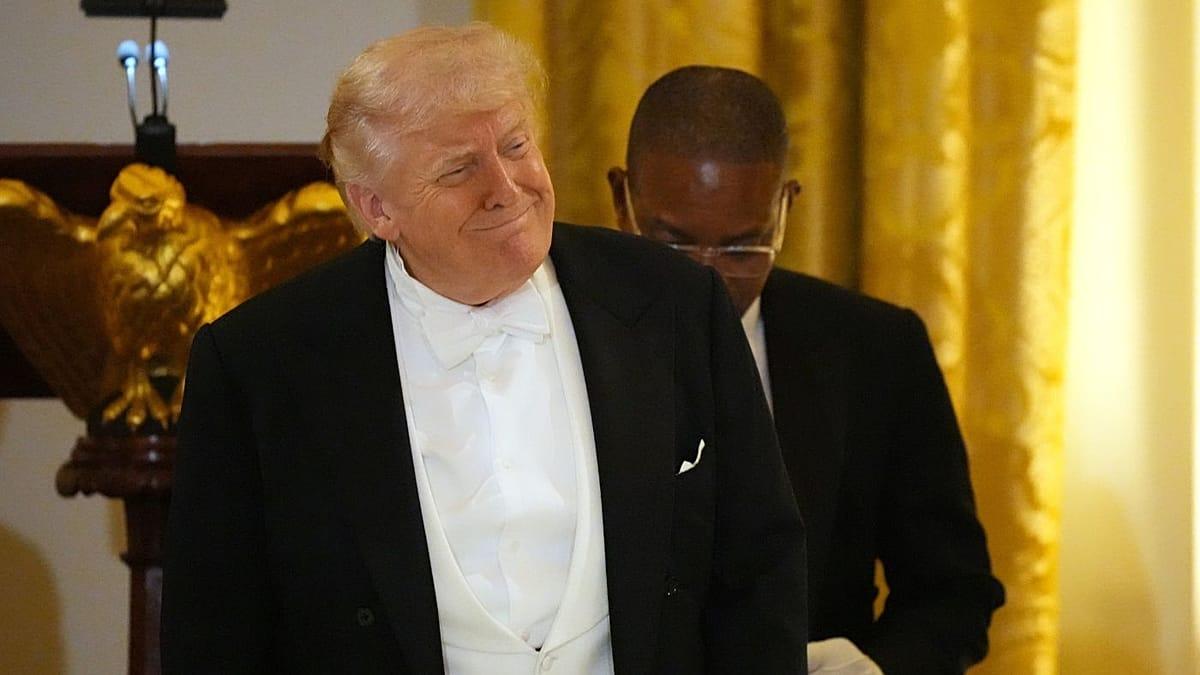
Trump Administration Says Ceasefire Pauses War Powers Clock on Iran War
13 sources compared
US Economy Grows 2% in January-March as Iran War Clouds Outlook
12 sources compared
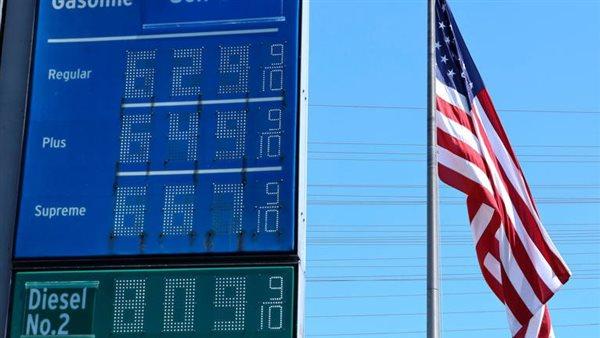
U.S.-Iran War Stalemate Drives Oil Prices Above $126 and Gas to $4.30
16 sources compared