Iran17 February, 20263 min read
Iran Closes Parts of Strait of Hormuz, Fires Missiles in Live‑Fire Drills During Geneva Nuclear Talks
This article is an automated aggregation of coverage from news outlets. Our editorials offer in-depth analysis curated by the NewsCord team.
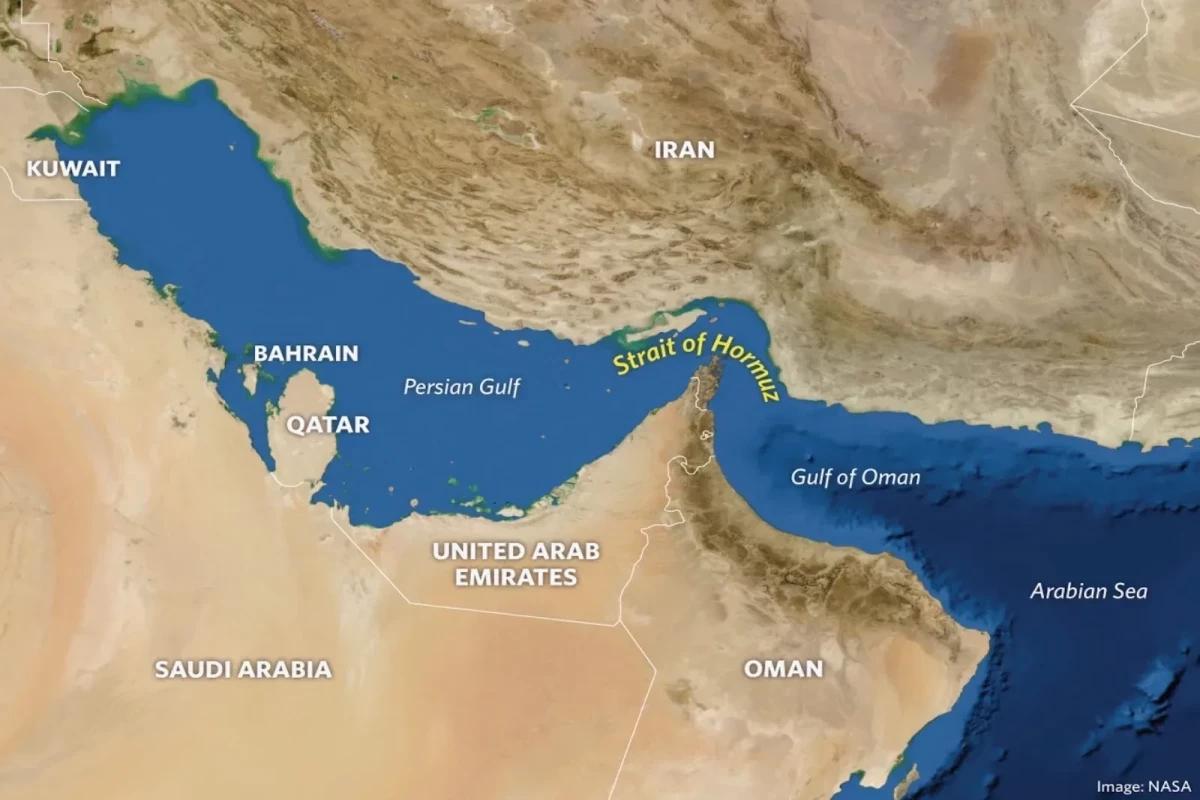
Iran temporarily closed parts of the Strait of Hormuz for live-fire drills IRGC fired live missiles into the Strait of Hormuz, state media said missiles hit targets

77 outlets told this the same way.
IRGC drills and nuclear talks
Iran’s Islamic Revolutionary Guard Corps (IRGC) staged live-fire naval and missile exercises that briefly closed parts of the Strait of Hormuz while diplomats held a second, Oman-mediated round of indirect nuclear talks in Geneva. Multiple outlets reported missiles were fired toward the waterway, and Tehran said closures would last only "for a few hours" as part of the drills, which state media described as testing readiness and ensuring navigation safety. The exercises coincided with a roughly three-hour Geneva session in which Iranian officials reported some initial agreement on principles even as major issues remained unresolved.
“Iran’s Revolutionary Guards announced maritime military exercises and, according to semi-official Fars and Tasnim news agencies, fired live missiles and will close parts of the Strait of Hormuz for a few hours on Tuesday ‘for security precautions.’”
Strait of Hormuz drills
Iranian state and semi-official outlets, and several international reports, described the maneuvers using names such as 'Smart Control' or 'Intelligent Control of the Strait of Hormuz'. Those accounts said missiles were launched from ships, coastal sites and inland positions, and that some projectiles struck targets in the waterway. Tehran's stated justifications ranged from testing readiness and ensuring safe navigation to signaling deterrence amid an increased U.S. naval presence.
IRGC footage and statements were widely cited by regional and international media. Several reports emphasized the closure as temporary and tied it to safety precautions. Other reports highlighted the drills' novelty, with some calling it the first partial closure amid the current crisis.

Geneva diplomatic talks
The military signaling unfolded alongside diplomatic engagement in Geneva. Iranian deputy foreign minister Abbas Araghchi and other Iranian officials described the roughly three‑hour session as producing a set of 'guiding principles' and said delegates would begin drafting text, with some calling the round 'more constructive' or noting 'positive developments.' U.S. envoys were reported to include Steve Witkoff and Jared Kushner in indirect, Oman‑mediated contacts; Oman described progress as 'good' while both sides cautioned that major issues - sanctions relief, enrichment limits, and scope of negotiating topics - remain unresolved.
“After a roughly three-hour meeting, Iranian deputy foreign minister Abbas Araghchi said both sides had agreed on ‘a set of guiding principles’ and reached broad agreement, and would begin drafting the text of a possible deal, calling the session ‘more constructive’ than the previous round.”
Naval drills and regional risks
The drills occurred against a backdrop of an increased U.S. naval posture and sharp regional warnings.
U.S. officials ordered additional forces to the Middle East.
Reports said the USS Gerald R. Ford would join the USS Abraham Lincoln and accompanying destroyers.
Those orders followed incidents including a U.S. shoot-down of an Iranian drone near the Lincoln and attempts to interfere with commercial shipping.
Gulf Arab states cautioned that any military strike could ignite a wider regional conflict.
Analysts warned the maneuvers raised risks for energy markets and shipping in a chokepoint that carries roughly one-fifth of global oil seaborne flows.
Media framing of coverage
Coverage varies sharply in emphasis and omitted details, which shapes how readers interpret risk and progress. Western mainstream outlets frequently balanced the military signals with market and diplomatic context, noting for example that Brent fell on guarded optimism after talks, while West Asian outlets framed the drills as defensive readiness and deterrence.
“Iran and the U.S. reached an understanding on the ‘guiding principles’ during recent talks, Iranian Foreign Minister Abbas Araghchi said, but he warned the progress doesn’t mean an agreement is imminent and more work remains.”
Some Asian outlets highlighted procedural diplomatic steps (guiding principles) and technical meetings with the IAEA, whereas several regional and Western reports also flagged Iran's domestic unrest (activist claims of high protest deaths) and cautioned that those human-rights issues were not part of the Geneva talks. These divergences show that the same facts — missiles fired, parts of the strait closed, talks in Geneva — are reported with different priorities: escalation risk, economic impact, diplomatic openings, or domestic political signaling.