
Iran Closes Strait of Hormuz Again, Citing U.S. Blockade of Its Ports
Key Takeaways
- Iran closes the strait again, citing U.S. blockade of its ports.
- About 2,000 ships and 20,000 sailors stranded in the Gulf.
- Vessels sail through some passages while others turn away amid conflicting openness reports.
Hormuz swings shut again
Iran closed the Strait of Hormuz again on Saturday, framing the move as a response to what it called a continued blockade of its ports by the United States.
“Iran says it has closed the Strait of Hormuz again, calling the decision a response to a continued blockade of its ports by the United States”
The Iranian military said control of the strategic waterway “has ‘returned to its previous state’,” and Al Jazeera reported that reports said Iranian gunboats fired at a merchant vessel as it attempted to cross.
Al Jazeera also said the closure came hours after the strait was reopened, with “more than a dozen commercial ships passing through the waterway” after a US-mediated 10-day ceasefire deal was reached between Israel and Lebanon.
In the same reporting, the Islamic Revolutionary Guard Corps (IRGC) said in a statement cited by Iranian state media that the ongoing US blockade represented “acts of piracy and maritime theft,” and that control over Hormuz is “under the strict management and control of the armed forces.”
The IRGC added that “Until the US restores full freedom of navigation for vessels travelling from Iran to their destinations and back, the status of the Strait of Hormuz will remain tightly controlled and in its previous condition,” according to Al Jazeera.
Business Insider described the earlier reopening as “completely open” to commercial traffic, citing Iran’s Friday announcement and real-time data showing a small number of vessels sailing through while others turned around.
CNBC then described the situation after Iran’s Friday declaration as still confused, with ships turning away and analysts saying the strait remained “functionally closed.”
Trapped crews and SOS calls
As the strait’s status shifted, El País reported that about 20,000 sailors were trapped in the Persian Gulf for more than a month and a half due to the war unleashed by the United States and Israel against Iran.
The article described sailors locked inside steel-walled confines on ships anchored several miles off the coast, watching missiles and drones strike around them, and in some cases with supplies running low.
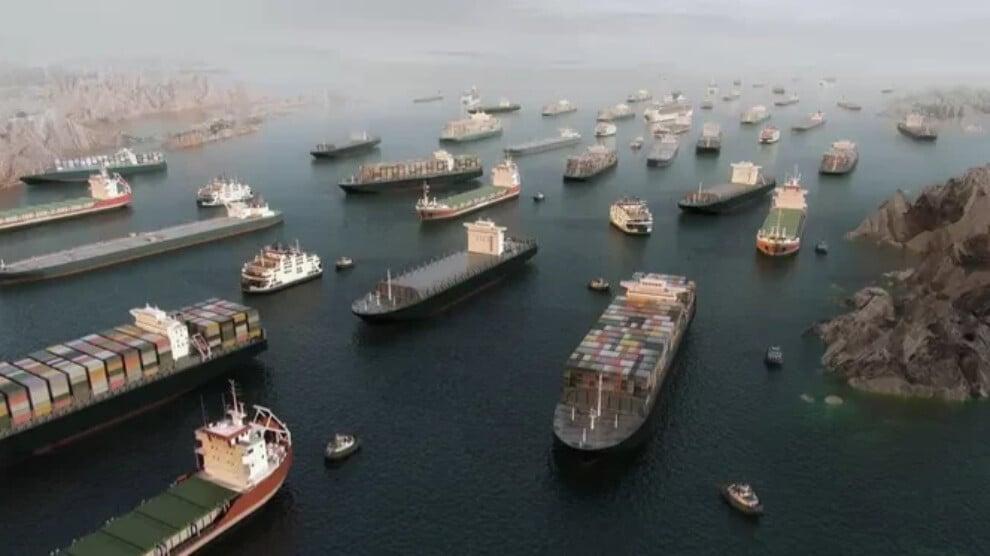
El País quoted Mohamed Arrachedi, coordinator for the Arab world and Iran of the International Transport Workers' Federation (ITF), saying: “Today more than ever, the sailors need and require protection. Priority must be given to their basic needs of food, water, medical care and ship fuel.”
Arrachedi told El País that “Sailors call at any hour, when they have internet access because someone shares the connection, or because they suddenly have coverage [depending on weather conditions],” and that the messages carry “that emotional load of panic, fear and uncertainty.”
El País added that sailors sent photographs and videos of bombs falling at night and told him: “My life is in danger. Please get us out of here.”
The same reporting said the International Maritime Organization (IMO) confirmed at least 21 attacks against merchant ships in the waters of the Persian Gulf and the Gulf of Oman, causing the deaths of ten sailors and wounding many more.
Arabic-language reporting from Al Arabiya TV via TASS said the IMO Secretary-General Arsenio Dominguez announced about 2,000 ships carrying 20,000 sailors were stranded in the Gulf region due to the American-Israeli war against Iran, and quoted Dominguez describing the situation as precarious for “the twenty thousand sailors aboard about two thousand ships in the Gulf, who cannot pass through.”
Diplomacy, mines, and evacuation timelines
The sources describe a diplomatic and logistical effort to deal with stranded ships, but also emphasize that physical risks like mines complicate any evacuation.
“- The Strait of Hormuz is "completely open" to commercial traffic, Iran announced Friday”
El País said IMO Secretary-General Arsenio Domínguez urged in a virtual meeting with foreign ministers from more than 40 countries that they renew diplomatic efforts to achieve the evacuation of trapped sailors who request it, and said the organization was in contact with littoral countries to guarantee provisioning and facilitate “safe passage.”
El País also said the ITF had received “1,800 requests and inquiries from sailors affecting around 400 ships,” and that “In total, more than 400 sailors have asked them to intervene,” with ITF mediation managing to bring “to a successful port a little over half.”
In Al Arabiya’s TASS report, Dominguez said there is a plan under discussion with regional states, especially Iran and Oman, and that “It will take several weeks to evacuate the ships there, but before that, we must ensure there is no mine danger.”
The same report said that after risks are neutralized, the region would return to normal operations with “about 130 to 135 ships crossing the Strait of Hormuz daily.”
ANF similarly quoted Domínguez saying “the evacuation of the stranded ships will take several weeks,” stressing “the need to first ensure the area is free from any mine threats before proceeding with this operation,” and also said “between 130 and 135 ships per day passing through the Strait of Hormuz.”
CNBC added that BIMCO advised vessels Friday to avoid the strait due to the threat of mines, quoting Jakob Larsen: “The area is ‘not declared safe for transit at this point,’” and that “It is a false dawn,” in Kpler’s Matthew Wright’s assessment of the reopening.
Who says what: Trump, IRGC, and India
The reporting shows sharp, competing narratives about what the strait’s reopening means and what conditions govern passage.
Al Jazeera said the closure came after the strait was reopened, and it described IRGC language that the US blockade amounted to “acts of piracy and maritime theft,” while insisting that until the US restores “full freedom of navigation,” the strait would remain “tightly controlled.”

It also reported that India summoned the Iranian ambassador after a “shooting incident” involving two Indian-flagged merchant vessels in the strait, with India’s Ministry of External Affairs saying Secretary Vikram Misri “conveyed India’s deep concern” and urged Iran to “resume at the earliest the process of facilitating India-bound ships across the Strait.”
Business Insider described Iran’s Friday announcement as a statement by Foreign Minister Seyed Abbas Araghchi that “the passage for all commercial vessels through Strait of Hormuz is declared completely open for the remaining period of ceasefire,” and it said Trump acknowledged the announcement in a Truth Social post writing that “Iran has just announced that the Strait of Iran is fully open and ready for passage.”
CNBC then described how confusion persisted, saying Iran’s Foreign Minister initially said the strait was “completely open” but that Iranian media aligned with the Revolutionary Guard issued conditions for safe passage resembling Tehran’s rules “for weeks now.”
The Spokesman-Review’s local report added that Trump told supporters at a rally in Arizona that Araqchi’s announcement marked “a great and brilliant day for the world,” while also saying Trump warned the US blockade would remain until “our transaction with Iran is 100% complete.”
CNBC concluded that “This all means that the strait remains functionally closed.”
Coverage divergence and operational stakes
The sources diverge not only on the strait’s status but also on how quickly normal shipping could resume and what the reopening signals for global markets.
Business Insider framed Friday’s reopening as “completely open” and said “Real-time data showed a small number of vessels sailing through the waterway, though others turned around,” while also reporting that “MarineTraffic data from Friday afternoon showed that just over half a dozen commercial vessels had transited the strait.”
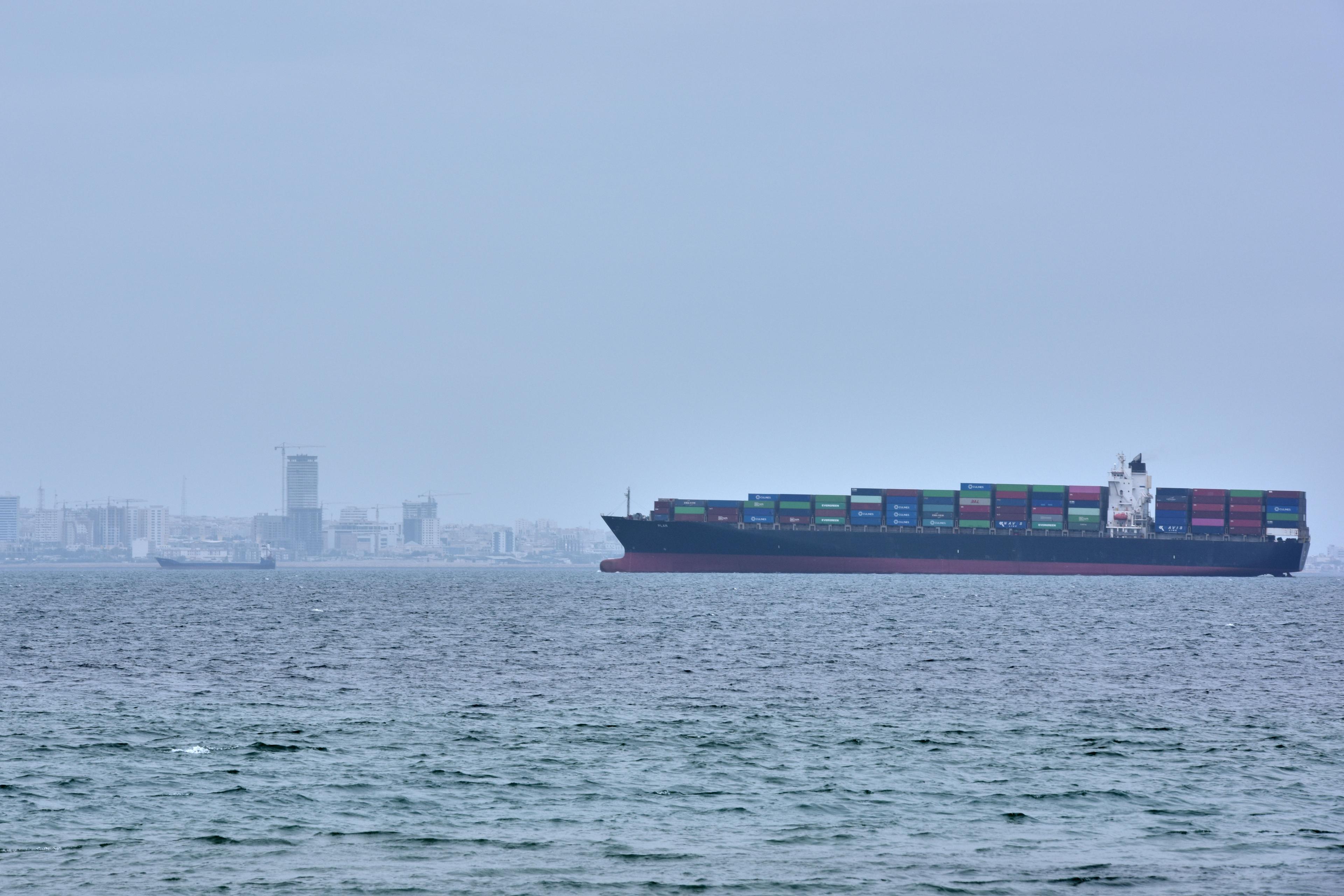
CNBC, by contrast, emphasized that “Oil tankers are remaining cautious” and that “video footage shows” ships turning away, with BIMCO advising vessels to avoid the strait because it was “not declared safe for transit at this point.”
CNBC also tied the stakes to downstream supply, saying “The disruption will only grow worse every day that the strait remains closed,” and quoting Kpler’s Matthew Wright that “It is a false dawn,” while describing how “Refineries in Asia, which are heavily dependent on Mideast oil, will have to cut their output.”
El País and the IMO-focused reports shifted the stakes to human safety and evacuation logistics, with El País describing “at least 21 attacks” on merchant ships and the ITF’s “1,800 requests and inquiries” affecting “around 400 ships,” and with Al Arabiya’s TASS report saying evacuation would take “several weeks” and require ensuring “no mine danger.”
Roya News described a different operational response: a meeting in Paris of “around 40 countries” hosted by France and the United Kingdom to discuss maritime security in the Strait of Hormuz, with an agenda including “the safety of more than 20,000 sailors reported to be stranded.”
Al Jazeera described uncertainty as “the name of the game,” quoting John-Paul Rodrigue that “There is contradictory information being issued by all parties,” and saying that many vessels were heading back because the situation was unclear.
More on Iran

Donald Trump Threatens Iran Infrastructure Strike Over Strait Of Hormuz Ceasefire Violations
23 sources compared

Trump Threatens Strikes as Iran Fires on Ships in Strait of Hormuz
11 sources compared
Donald Trump Sends U.S. Delegation to Pakistan for Iran Talks, Threatens Power Plants and Bridges
47 sources compared

Iran Rejects Trump Claims It Will Transfer Enriched Uranium to the United States
21 sources compared