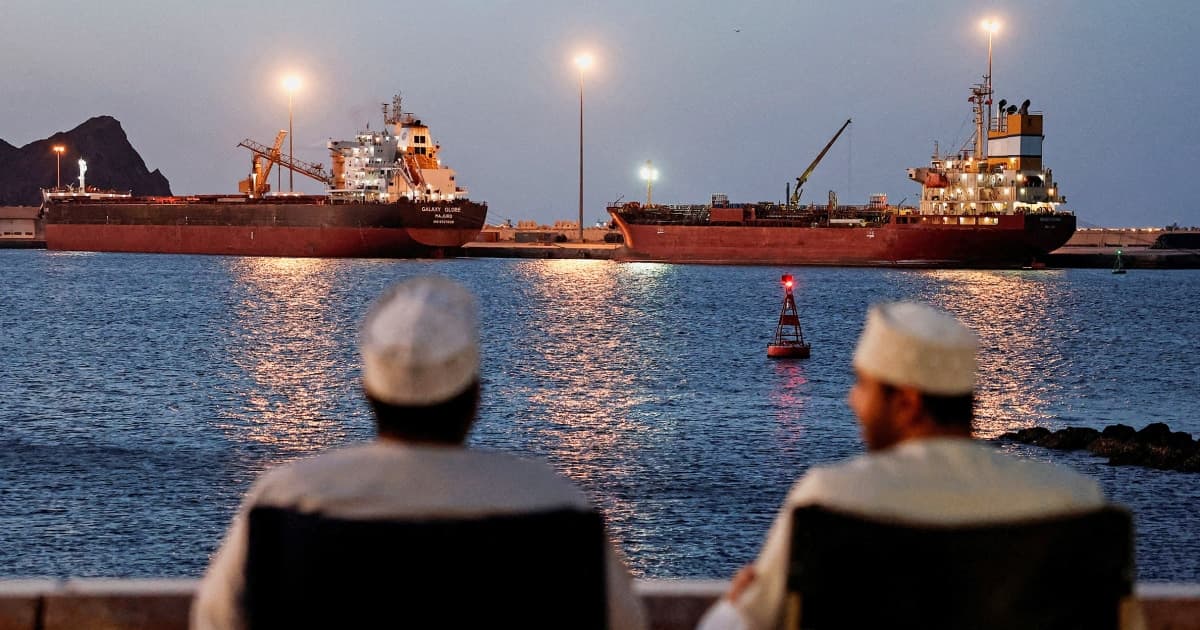
Iran Closes Strait of Hormuz, Attacks Oil Ships With Missiles and Drones
Key Takeaways
- Iran closed the Strait of Hormuz, blocking a vital oil and gas passage
- Iran attacked oil and other ships in the Strait using missiles and drones
- Closure and attacks sent oil prices soaring above $100 per barrel
Closure and threats
A wave of coordinated strikes and attacks around March 13, 2026 has effectively disrupted traffic through the Strait of Hormuz and placed Iran at the center of the campaign.
“BREAKING Smoke hangs over Tehran as Israel launches new wave of strikes on Iran’s capitalUS military says refuelling aircraft went down in western IraqOil prices stay above $100 per barrel as Strait of Hormuz effectively closed Click to pause breaking news tickerpause-square-backgroundClose Breaking News Tickerclose”
British navy-run monitoring and multiple reports say ships were struck in the narrow waterway, and Iranian officials have openly threatened to close the route: “We will not allow even one liter of oil to pass through the Strait of Hormuz for the benefit of the U.S. and its allies,” an Iranian armed forces spokesperson said, while Al Jazeera’s coverage declared "Oil prices stay above $100 per barrel as Strait of Hormuz effectively closed."

Analysts warn reopening would require eliminating offensive installations on land and persistent close surveillance: “Before the heat can decrease ... most of the offensive installations on land in Iran would have to be eliminated. There would need to be constant monitoring, patrols, extremely close surveillance, and a very high level of intelligence,” one expert said, adding “That will not happen at all — not at all — in the near future.”
Attacks on vessels
Commercial vessels have been directly hit and the attacks have been varied, including projectiles, missiles and drone strikes, with monitoring groups reporting multiple incidents in the past weeks.
NBC reported “Three ships were attacked in the Strait of Hormuz on Wednesday” and noted that since Feb. 28 the UKMTO recorded “13 ships have been hit in the strait,” while the British Joint Maritime Information Center warned one attack showed “evidence of a 'severe explosive event at or near the waterline.'”
Al Jazeera published footage and images of missile impacts in northern Israel amid the wider regional exchanges, and the AP noted the risk environment and insistence that deconfliction and surveillance remain essential to any safe commercial transit.
Economic shock
The disruption has immediate and severe market consequences: global oil prices spiked above $100 per barrel, traders moved to release emergency stocks, and traffic through the strait plunged, exacerbating fears of broader economic fallout.
“The global economy has been rocked by the war in the Middle East, with Iran’s closure of the Strait of Hormuz threatening energy flows and sending the price of oil soaring to its highest level in years”
Al Jazeera headlined that "Oil prices stay above $100 per barrel," NBC said traffic was down “90% amid the crisis” with hundreds of ships at anchor and reported the International Energy Agency would release “400 million barrels of oil” from reserves to stabilise markets;
the U.S. and other governments scrambled diplomatic and military messaging as leaders warned of dramatic price effects such as Iran’s boast to “Get ready for oil to be $200 a barrel.”
Insurance and logistics
Insurance, legal and logistical barriers compound the physical danger, making passage commercially untenable even where the immediate threat is ambiguous.
The Associated Press quoted industry experts saying insurance premiums for crossing Hormuz have soared and that France’s transport minister called the levels “insane,” while an insurance executive warned “Insurance rates for oil tankers ... are many times higher than they were before the war.”
NBC emphasised that “the constraint is not just physical danger — it’s that the financial infrastructure that enables global shipping is temporarily breaking down,” and the AP and others urged that naval escorts could help reassure insurers: “Potential naval escorts for commercial ships ‘would be helpful,’” an industry official said.
Uncertainty and risk
Uncertainties about mines, lasting environmental risk and conflicting official claims leave the situation volatile and unpredictable.
“BREAKING Smoke hangs over Tehran as Israel launches new wave of strikes on Iran’s capitalUS military says refuelling aircraft went down in western IraqOil prices stay above $100 per barrel as Strait of Hormuz effectively closed Click to pause breaking news tickerpause-square-backgroundClose Breaking News Tickerclose”
British authorities said there was "no confirmed evidence of mine deployment or detonation in regional shipping lanes," while analysts and NGOs warned of an “ecological ticking time bomb” if a tanker or mine caused a spill; Greenpeace Germany modelled how an incident could threaten coral, mangroves and seagrass.
Al Jazeera also recorded the ripple effects already visible as “Fuel shortages bring queues, protests around the world,” and the combination of military escalation and logistical paralysis means long-term reopening remains contested and contested by competing official narratives.
More on Iran
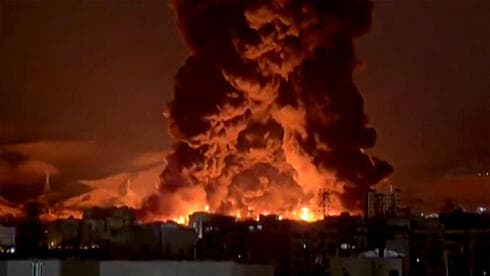
US obliterates military targets on Iran’s Kharg Island, Trump warns
13 sources compared
US Deploys About 2,500 Marines to Middle East After Iran Attacks Gulf Shipping
33 sources compared
FBI Warns of Iranian Drone Plot Based on Unverified Tip; California Says No Credible Threat
10 sources compared

White House Demands ABC Retract Report Claiming Iran Sought To Launch Drone Attacks On California
11 sources compared