Iran Condemns US-Backed UN Resolution Draft On Strait Of Hormuz
Key Takeaways
- Iran condemns the US-backed UN draft on Strait of Hormuz as distortion and shielding aggressors.
- Draft resolution by US and Gulf states condemns closure of Strait of Hormuz.
- Gharibabadi accused the draft of distorting facts and shielding the real aggressors on X.
UN push and Iran’s rebuttal
Iran sharply criticised Washington’s reported attempt to push a draft resolution on the Strait of Hormuz through the UN Security Council, describing it as an effort to distort facts and protect what it called the real aggressors.
In a statement posted on X late on Monday, Iran’s Deputy Foreign Minister for Legal Affairs Kazem Gharibabadi said the United States, together with some regional allies, was once again trying to “shift the terms of the issue” by portraying the consequences of what he described as military aggression and an illegal siege as accusations against Iran itself.

Gharibabadi argued that any genuine initiative on maritime security could not ignore what he called the repeated use of force, the imposition of a naval blockade, ongoing threats, and the direct role of the United States and Israel in creating the current crisis.
He said the central issue was not the passage of ships “in a vacuum,” but attempts by certain governments to recast the consequences of their own actions in the language of “international order.”
He added that any resolution that addressed the situation without explicitly referring to aggression, siege, threats of force, and Iran’s right to defend its security and national interests “will be flawed, biased, political, and doomed to failure from the outset.”
US framing and draft demands
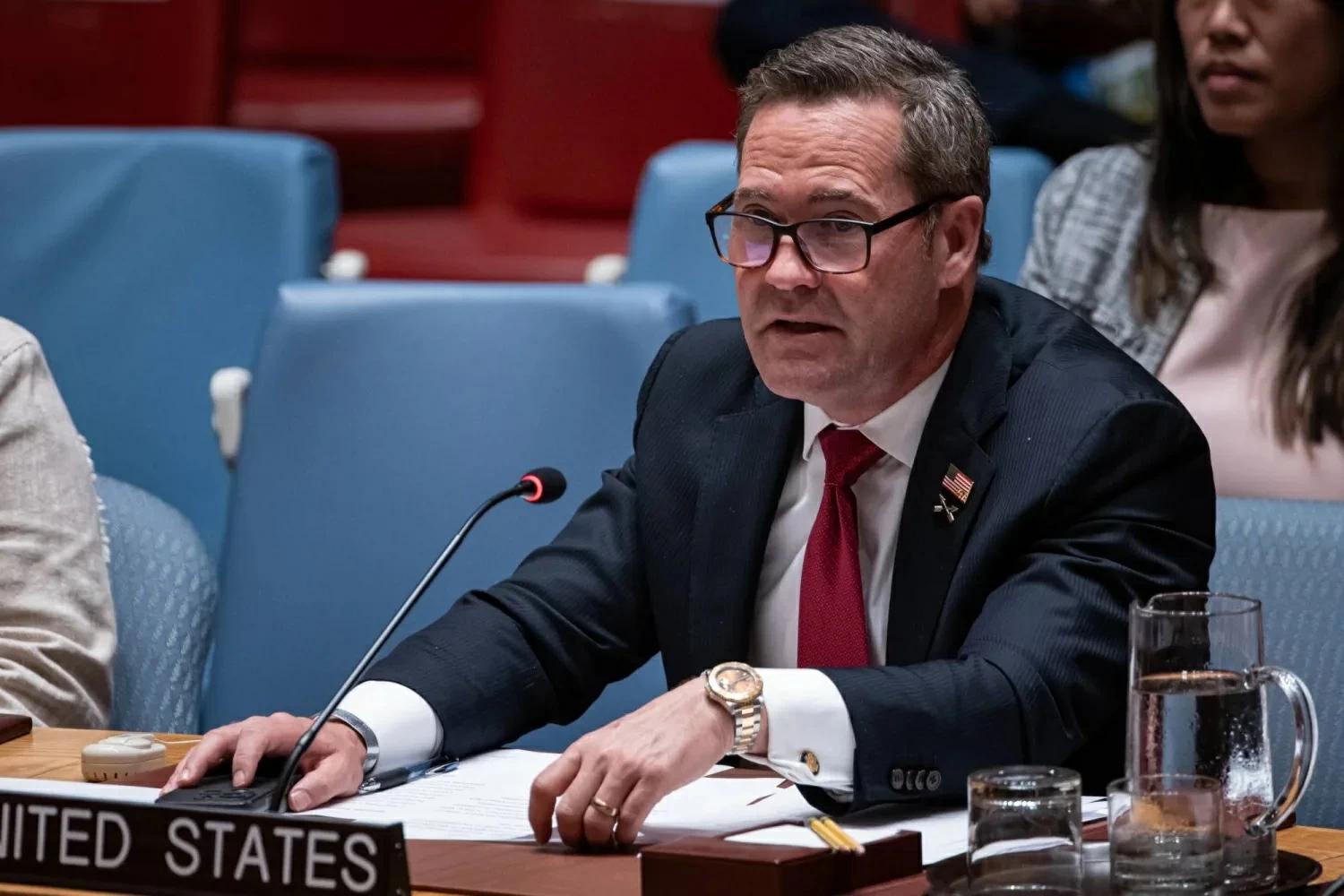
The Hill reported that U.S. Ambassador to the United Nations Mike Waltz reiterated his push for the international coalition’s security council to pass a resolution condemning the Iranian government’s restrictions on shipping through the Strait of Hormuz.
Waltz told host Martha Raddatz on ABC’s “This Week,” “No country can do what Iran is doing in international waterways,” and he warned that the situation could create a conflict where one side “holding the entire world’s economies hostage” by “throwing sea mines out in international waterways.”
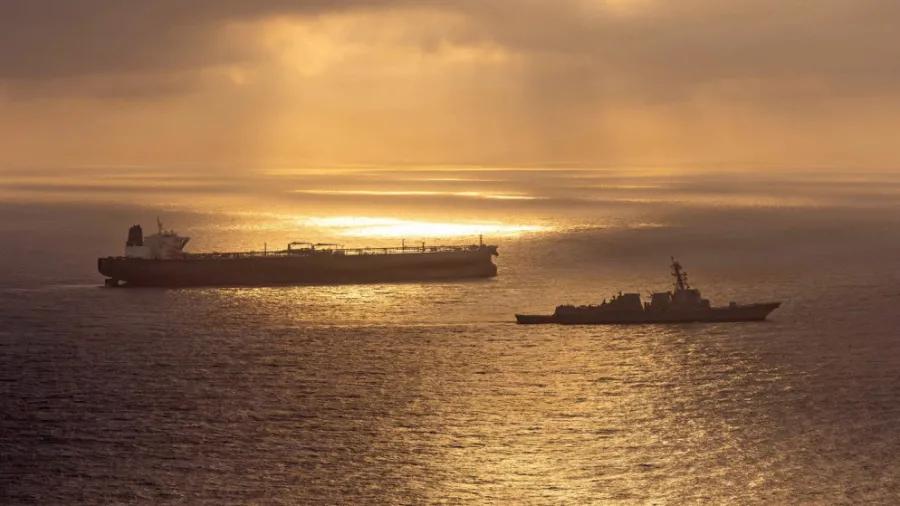
The Hill said Secretary of State Marco Rubio stated the Trump administration, alongside Saudi Arabia, the United Arab Emirates, Kuwait and Qatar, drafted a U.N. Security Council Resolution to “defend freedom of navigation” in the waterway.
Rubio said the U.N. resolution requires Iran to “cease attacks, mining and tolling” in the strait, and it demands that Iran disclose the number and location of the sea mines it has laid and cooperate with efforts to remove them.
The Hill also said the U.N. Security Council consists of five permanent members — the U.S., China, France, Russia and the U.K. — and 10 rotating members.
Regional partners, de-escalation stakes
عكاظ reported that Mike Waltz revealed a draft resolution being formulated by the United States and Gulf states for the UN Security Council to condemn the closure of the Strait of Hormuz, with negotiations on the draft resolution taking place this week.
Waltz told reporters that the United States is participating in drafting the new resolution with Bahrain, with contributions from Kuwait, Qatar, the United Arab Emirates, and Saudi Arabia, and he said the draft comes at a time when a ceasefire with Iran is in effect.
عكاظ said the resolution focuses on the mining of international waterways and the imposition of fees that will affect all economies around the world, especially those in Asia, and it is likely to call on Iran to stop attacks on commercial ships and attempts to impose fees on navigation in the strait.
The article also said European Commission President Ursula von der Leyen stated that Iranian attacks on the United Arab Emirates are unacceptable, describing them as a clear violation of sovereignty and international law, while expressing the European Union’s full solidarity with the United Arab Emirates and its people.
PressTV added that Gharibabadi said the US text demands that Iran immediately halt what it calls “attacks” in the Strait of Hormuz and threatens Tehran with new sanctions and even the possible authorization of force if it refuses to comply.
More on Iran

Trump Warns Ceasefire Is On Life Support As U.S. Plans Escalation In Iran War
32 sources compared
Yoweri Museveni Sworn In For Another Five-Year Term In Kampala
16 sources compared
Pakistan Rejects CBS News Claim of Iranian Military Aircraft at Nur Khan Airbase
18 sources compared

Calbee Switches 14 Products To Black-And-White Packaging As Iran War Disrupts Ink Supplies
11 sources compared