Iran Conflict Sweeps Energy Markets, Why Has Russia Become the Biggest Winner?
Key Takeaways
- Gunfire in the Strait of Hormuz boosted Russian crude prices by nearly 80%.
- The price surge cleared a 130-million-barrel Russian oil inventory backlog.
- Temporary sanctions easing aided Russia, while damaged infrastructure and buyer concentration constrain production expansion.
Russia Emerges Winner
Gunfire in the Strait of Hormuz and the conflict between the U.S., Israel, and Iran pushed international oil prices to a 2022 high of $120 a barrel, and an unexpected winner has emerged: Russia.
“Gunfire in the Strait of Hormuz has significantly boosted Russian crude prices, increasing by nearly 80% and clearing a 130-million-barrel inventory backlog”
Russian crude prices have surged nearly 80%, and a 130-million-barrel inventory backlog has been cleared.
The war in the Persian Gulf has transformed Russian crude from a shunned "hot potato" into a highly sought-after global energy commodity, and Henning Gloystein said Russia has "benefited greatly from this crisis."
Market Moves and Sanctions
Russian seaborne crude is trading at approximately $90 per barrel, about a nearly 80% increase since before the outbreak of the war with Iran, and steep discounts that traders demanded in India have begun to reverse with some attempting to sell at prices above global benchmarks.
Russia's offshore crude inventories have dropped from 132.9 million barrels at the end of February to 118.3 million barrels as massive stockpiles are rapidly absorbed by the market.
Reports say the Trump administration is allowing countries like India to continue purchasing Russian crude and is considering further easing of sanctions, which has helped Russia break through the blockade of Western sanctions and expand its market share.
Constraints and Uncertainties
Analysts warn that Russian gains have limits: Carole Nakhle said years of sanctions and Ukrainian strikes on Russian energy facilities have damaged infrastructure, constraining the ability to rapidly expand production or exports.
“Gunfire in the Strait of Hormuz has significantly boosted Russian crude prices, increasing by nearly 80% and clearing a 130-million-barrel inventory backlog”
Over-concentration of Russian oil buyers in a few countries like India, along with shipping and insurance restrictions, also constrains potential gains.
The G7 has said it stands ready to take "necessary measures" to support global energy supplies, including not ruling out release of strategic oil reserves, which could put downward pressure on prices, and if tensions in the Middle East ease international oil prices could retreat and weaken Russia's energy export revenues.
Europe's Energy Dilemma
The Middle East-triggered energy crisis has left Europe facing a dilemma: volatility and production disruptions in countries like Qatar have tightened LNG supplies and intensified a bidding war between European and Asian buyers, with some LNG carriers diverting to Asia for higher prices.
Despite diversification efforts, 13% of Europe's total natural gas and LNG imports still come from Russia, and shrinking Middle Eastern stability has increased Europe's implicit dependence on Russian energy.
Russian President Vladimir Putin has publicly threatened to cut off remaining supplies to Europe ahead of schedule and pivot to the Asian market, saying in a televised speech on Wednesday, "Other markets are opening now. If they close our supplies in a month or two, wouldn't it be better to stop now and work with those reliable partner countries instead?"
If Russia actually cuts supplies and Middle Eastern energy cannot fill the gap, Europe could face a severe shortage and might be forced to re-examine plans to ban Russian energy, creating more room for growth in Russia's energy industry.
More on Iran
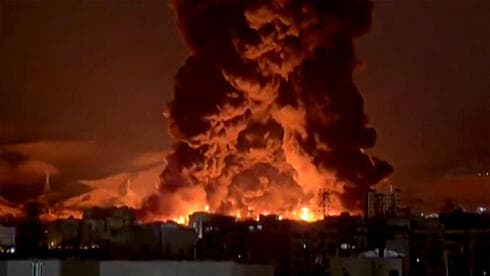
US obliterates military targets on Iran’s Kharg Island, Trump warns
13 sources compared
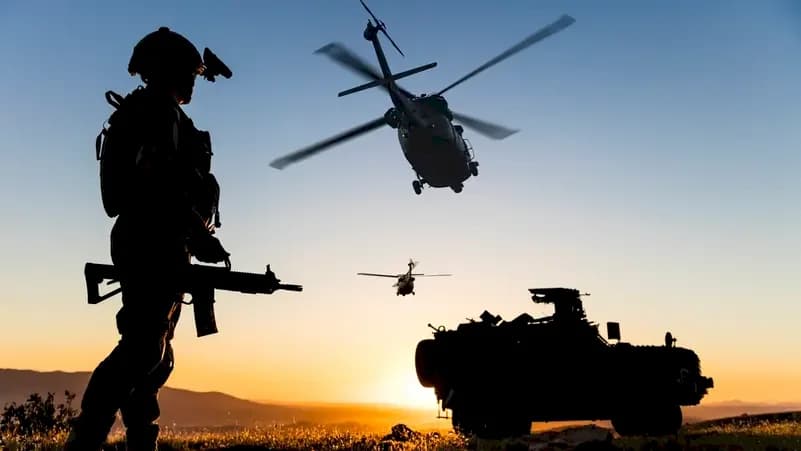
US Deploys About 2,500 Marines to Middle East After Iran Attacks Gulf Shipping
33 sources compared
FBI Warns of Iranian Drone Plot Based on Unverified Tip; California Says No Credible Threat
10 sources compared

White House Demands ABC Retract Report Claiming Iran Sought To Launch Drone Attacks On California
11 sources compared