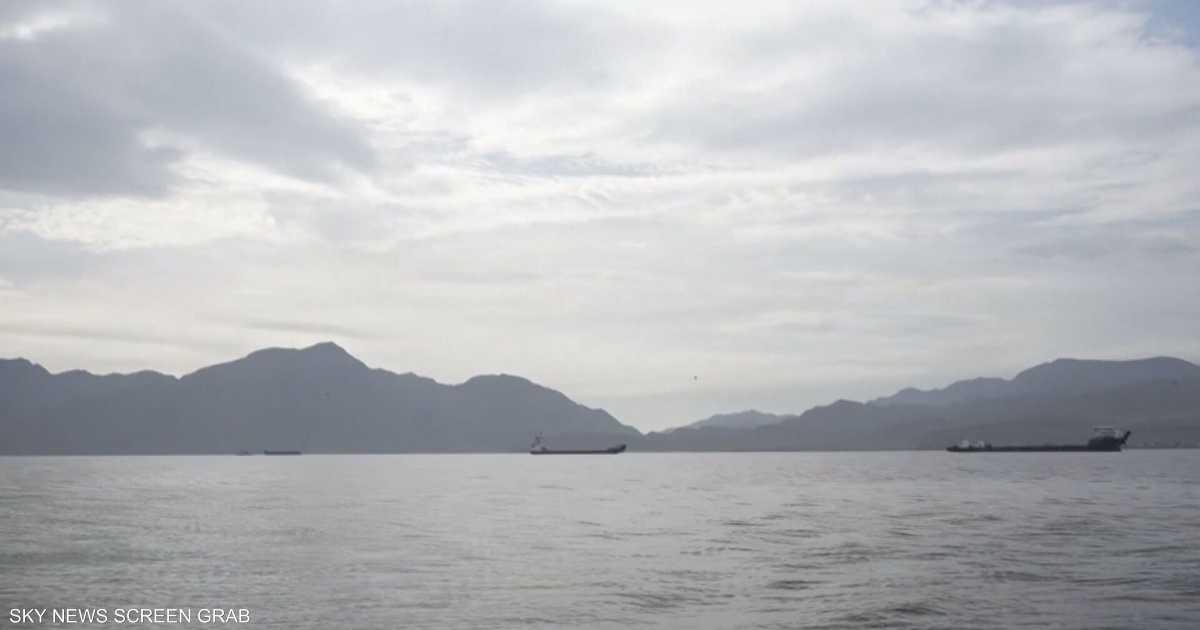
Iran Declares Strait Of Hormuz Completely Open; Trump Says U.S. Blockade Continues Until Deal
Key Takeaways
- Iran foreign minister says Strait of Hormuz completely open amid Lebanon ceasefire.
- Trump says the U.S. blockade will remain in full force until a peace deal.
- Oil prices plunge after Hormuz opening amid Lebanon ceasefire.
Hormuz Reopens, Blockade Stays
Iran declared the Strait of Hormuz “completely open” for commercial vessels during a ceasefire with the United States, while President Donald Trump said the U.S. naval blockade would continue until a deal is “100% complete.”
“Iran has said the Strait of Hormuz is “completely open” for all commercial vessels and will remain so during the Israel-Lebanon ceasefire, as United States President Donald Trump said an agreement to end the US-Israeli war on Iran was “very close””
BBC reported that Trump told CBS, the BBC’s US partner, that Iran has “agreed to everything,” including the removal of enriched uranium, and said, “No. No troops,” when asked if the effort would require American ground troops.

Trump also said, “we'll be getting it together [with the Iranians]” and described a plan to “go down and get it with them, and then we'll take it,” adding, “We'll have an agreement and there's no need for fighting when there's an agreement.”
CNN similarly said Iran’s foreign minister announced the vital trade chokepoint open to all commercial vessels during a ceasefire with the US, while Trump said the blockade will continue until a deal with Iran is “100% complete.”
NBC News reported that Iran’s foreign minister Abbas Araghchi said the crucial Strait of Hormuz trade route “is declared completely open” for commercial vessels for the remaining period of the ceasefire, and that Trump said the U.S. blockade of Iranian ports “will remain in full force” until the two sides reach a peace deal.
The New York Times framed the same moment as a tension between Iran’s “completely open” declaration and Trump’s insistence that the U.S. blockade would remain in place until his negotiations with Tehran are “100% complete.”
Uranium, Assets, and Talks
The reopening of Hormuz was tied in multiple reports to negotiations over enriched uranium and the release of frozen Iranian funds.
BBC said that when the US and Iran called a temporary ceasefire last week, enriched uranium emerged as a point of contention, with Iran's National Security Council (SNSC) saying that the truce outlined an “acceptance of [uranium] enrichment,” despite US claims to the contrary.

BBC also reported that, according to senior US officials, at the start of the war Iran possessed approximately 440kg of uranium enriched to 60%.
CNN said Trump told CBS that the US will acquire Iran’s enriched uranium, and that the Trump administration is considering unfreezing $20 billion in Iranian assets as part of the talks.
CNN also reported Trump’s confidence that a deal will be reached “in the next day or two” and that peace talks will “likely” be held this weekend.
The New York Times added that Trump’s announcement that the Strait of Hormuz was “completely open” buoyed hopes that negotiations were going well enough to sustain the cease-fire as the countries worked on a long-term peace deal, and it said the sides were nearing agreement on a document that sets a formal framework for negotiations.
In the same report, the New York Times said the path to a deal continues to run through Pakistan, where army chief Field Marshal Asim Munir has been encamped in Tehran since Wednesday, and it described a three-page memorandum of understanding facilitated by Munir.
Benzinga, citing a framing of a “Cash-For-Uranium Plan,” said traders repriced odds after a reported $20 billion release of frozen Iranian funds in exchange for Tehran giving up its enriched uranium stockpile, and it said Trump pushed back on Truth Social writing that “no money will change hands.”
Shipping Rules, Mines, and Caution
Even as Iran declared the Strait of Hormuz open, CNN and NBC News described uncertainty and operational constraints for shipping.
CNN said Iranian state media cast uncertainty on the move and that shipping companies were expressing caution, while also reporting that Iran’s Islamic Revolutionary Guard Corps Navy laid out conditions it wants ships to abide by to cross the Strait of Hormuz.
CNN reported that the IRGC Navy said on X that all transit requires its permission, that civilian vessels are allowed to pass only through Iran’s designated route, and that military vessels are still prohibited from transiting.
NBC News said ships will have to use a coordinated route, and it reported that Iran threatened “necessary measures” if the blockade is not lifted.
The New York Times described “Strait of Hormuz questions,” saying Iran’s foreign minister said the Strait of Hormuz was “completely open” for all commercial ships but uncertainty remained after hard-line news outlets in Iran said there would still be some restrictions on marine traffic, while Trump declared the U.S. blockade of Iran’s ports would remain in place.
The GMA Network report said the passage for all commercial vessels through Strait of Hormuz is declared completely open for the remainder of the US-brokered 10-day truce, on the coordinated route as already announced by Ports and Maritime Organisation of Iran, and it said statements from both sides left uncertainty over how quickly shipping could resume.
GMA Network also reported that the US Navy warned in an advisory to seafarers that the mine threat in parts of the waterway was not fully understood and avoidance of the area should be considered, and it said a senior Iranian official said ships could pass through the strait only under coordination with Iran’s Islamic Revolutionary Guard Corps.
In parallel, Al Jazeera said the passage would be on the coordinated route as already announced by the Ports and Maritime Organisation of Iran, and it quoted Abbas Araghchi: “In line with the ceasefire in Lebanon, the passage for all commercial vessels through Strait of Hormuz is declared completely open for the remaining period of ceasefire.”
Lebanon Ceasefire and Israel Strikes
Reports linked the Hormuz opening to a 10-day ceasefire between Israel and Lebanon, while also describing violence that occurred around the ceasefire’s start.
CNN said a 10-day truce in Lebanon appeared to be holding, with at least one person killed in an Israeli strike carried out after the ceasefire began, and it said the strike hit a motorcycle and another vehicle in the southern Lebanese town of Kounine on Friday afternoon, killing one person and wounding two other people, according to Lebanon’s health ministry.

CNN also said the Lebanese army accused Israel of multiple ceasefire violations, saying intermittent shelling had impacted several villages in southern Lebanon, and it reported that the Israeli military did not immediately respond to that claim.
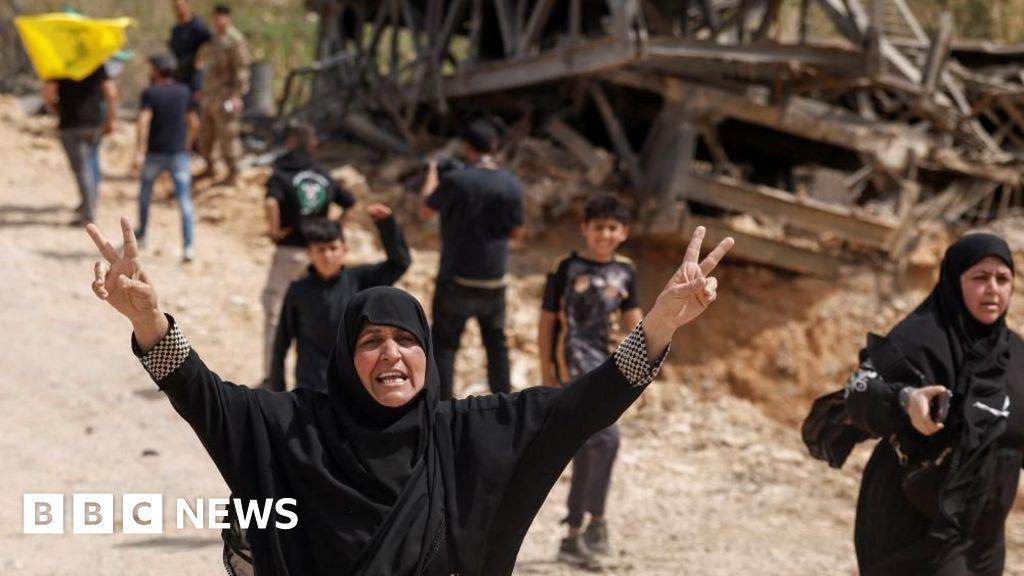
NBC News said the 10-day ceasefire between Israel and Lebanon appeared to be holding, with civilians rushing home to destroyed villages in southern Lebanon even as Israel vowed its military would not withdraw, and it reported that Trump said Israel had been “prohibited” from bombing Lebanon by the U.S. as Hezbollah said it was keeping its finger “on the trigger.”
The New York Times said the announcement came a day after Israel’s agreement on Thursday to pause its military campaign in Lebanon, which Iran had called a violation of its cease-fire deal with the United States.
Al Jazeera reported that a 10-day ceasefire was agreed between Israel and Lebanon late on Thursday, though it was unclear whether Hezbollah would recognise it, and it said the passage of vessels through the strait would be on the coordinated route as already announced by the Ports and Maritime Organisation of Iran.
In the same Al Jazeera report, Trump said Israel would no longer bomb Lebanon, declaring in a social media post, “Israel will not be bombing Lebanon any longer. They are PROHIBITED from doing so by the U.S.A. Enough is enough!!!”
NBC News added that funerals were held for paramedics killed in what officials and aid groups said were Israeli strikes in southern Lebanon prior to the ceasefire, and it said three consecutive Israeli strikes targeted Lebanese rescue workers, killing four and injuring six others, according to paramedic groups.
Divergent Frames and Stakes
Across the reports, the same developments were framed through different lenses: negotiation momentum, market pricing, and military pressure.
“US President Donald Trump has claimed that Iran has "agreed to everything", including the removal of enriched uranium from the country”
NBC News emphasized the immediate operational shift, saying Iran declared Hormuz open and that Trump said negotiations over a peace deal with Iran “should go very quickly,” while also reporting Iran’s threat to take “necessary measures” if the U.S. does not end the naval blockade.
CNN and BBC stressed the linkage between uranium removal and the blockade’s continuation, with CNN quoting Trump’s “No. No troops” and BBC describing Trump’s claim that Iran has “agreed to everything,” including removal of enriched uranium.
The New York Times framed the situation as a hope-and-skepticism mix, quoting Crisis Group’s Ali Vaez saying, “We’re still miles away from a comprehensive agreement,” and it also described the risk that the ultimatum about “100% complete” could affect negotiating posture.
Benzinga translated the dispute into market probabilities, saying Polymarket peace deal odds surged and that traders gave just 41% odds of a permanent deal by April 22, with April 30 at 62% and June 30 at 81%, while also noting that traders were “not a breakthrough” and were pricing a “grind toward a deal.”
Al Jazeera and GMA Network highlighted the pressure dynamic, with Al Jazeera saying the chances of the U.S. lifting the naval blockade were “never particularly high,” and GMA Network reporting that Iran’s Foreign Ministry spokesperson Esmaeil Baghaei warned Tehran would take “necessary reciprocal measures” if a maritime blockade continued.
The stakes were also quantified in NBC News’ live updates, which said Iran’s forensics chief said more than 3,300 people had been killed in the country since U.S.-Israeli strikes began Feb. 28, and it listed death tolls including more than 2,100 in Lebanon, 32 in Gulf states, 23 in Israel, and 13 U.S. service members killed.
Looking ahead, CNN said Trump expected peace talks “likely” this weekend and that the administration is considering unfreezing $20 billion in Iranian assets, while NBC News said Iran threatened “necessary measures” if the blockade is not lifted.
More on USA

US Troops On USS Tripoli And USS Abraham Lincoln Face Food Shortages, Mail Suspended For 27 ZIP Codes
16 sources compared
Todd Lyons Submits Resignation Letter to Homeland Security Secretary Markwayne Mullin
18 sources compared
White House And Iran Trade AI Memes In Online War Over Trump And Jesus
11 sources compared
U.S. Senate Approves Short-Term FISA Extension Through April 30 After House Vote Chaos
26 sources compared