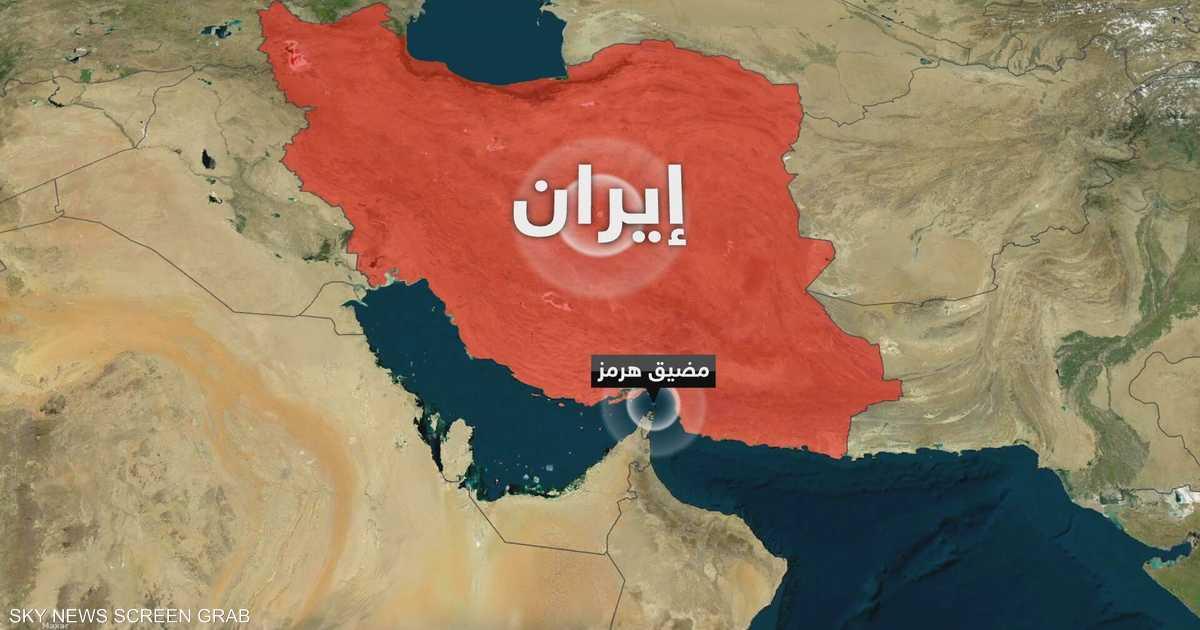
Iran Declares Strait Of Hormuz Completely Open; Trump Says U.S. Blockade Remains Active
Key Takeaways
- Strait of Hormuz declared open to commercial shipping for the ceasefire period.
- Trump says the U.S. blockade remains active.
- Oil prices fell sharply after Hormuz reopening announcements.
Hormuz declared open
Iran declared the Strait of Hormuz “completely open” to commercial traffic during the ceasefire between Israel and Lebanon, while President Donald Trump said the U.S. naval blockade of Iran’s ports would remain active until a deal is “100% complete.”
Foreign Minister Seyed Abbas Araghchi said in a social media post, “In line with the ceasefire in Lebanon, the passage for all commercial vessels through Strait of Hormuz is declared completely open for the remaining period of ceasefire.”

Araghchi added that vessels must transit through a “coordinated route” announced by Iran’s maritime authorities, and CNN described the announcement as opening the “vital trade chokepoint” for “all commercial vessels for the remainder of the ceasefire.”
Trump welcomed the reopening, posting that “Iran has just announced that the strait of Iran is fully open and ready for full passage. Thank you!” but he simultaneously insisted, “THE STRAIT OF HORMUZ IS COMPLETELY OPEN AND READY FOR BUSINESS AND FULL PASSAGE, BUT THE NAVAL BLOCKADE WILL REMAIN IN FULL FORCE AND EFFECT AS IT PERTAINS TO IRAN, ONLY, UNTIL SUCH TIME AS OUR TRANSACTION WITH IRAN IS 100% COMPLETE.”
The CNBC report said it was unclear whether Tehran would force ships to pay a toll to pass the strait, and it noted that the Strait has remained “almost completely closed” during the U.S.-Iran ceasefire as the two sides disputed the terms.
The NBC News live updates similarly framed the Iranian move as “declared completely open” for commercial vessels for the “remaining period of the ceasefire,” while Trump said negotiations “should go very quickly.”
Ceasefire link and route
Multiple outlets tied Iran’s Hormuz reopening to the Lebanon ceasefire and described how ships would move under Iranian coordination rather than unrestricted passage.
CNBC said the move was made “in line with the ceasefire in Lebanon,” and it reported that Israel and Lebanon agreed to a “10-day ceasefire starting at 5 p.m. ET that evening.”

CNN similarly described the reopening as for “the remainder of the ceasefire,” and it added that Iranian state media Fars reported that reopening “depends on the implementation of certain conditions and the ceasefire in Lebanon.”
Both CNBC and CNN emphasized that vessels must use a route designated by Iran’s authorities, with CNBC quoting Araghchi saying vessels must transit through a “coordinated route” announced by Iran’s maritime authorities.
The Guardian reported that Araghchi had posted on X that “passage for all commercial vessels through strait of Hormuz is declared completely open for the remaining period of ceasefire,” and it added that ships seeking passage could go only through a determined route and still needed permission from Iran’s Islamic Revolutionary Guard Corps (IRGC) navy, citing Reuters.
NBC News likewise said ships “will have to use a coordinated route,” and it described the move as made “in line with the Israel-Lebanon ceasefire.”
Trump, assets, and mines
While Iran announced the strait’s reopening, the U.S. messaging focused on continued pressure, negotiations, and the status of mines.
CNBC said Trump thanked Iran for opening the strait but insisted, “the U.S. naval blockade of Iran's ports will remain in effect until an agreement is reached with Tehran,” and it reported that Trump agreed to a two-week ceasefire on April 7 in exchange for Iran completely opening the strait.
CNN described the administration’s negotiating posture as considering “unfreezing $20 billion in Iranian assets,” and it said officials hoped a broader deal could be finalized “as early as this weekend.”
CNN also reported that Trump said the U.S. would acquire Iran’s enriched uranium and that “no money would “exchange hands.””
In the same CNN live updates, Trump’s posts included claims about clearing the strait of mines, and the NPR report quoted Trump saying, “Trump also said Iran was removing "all sea mines," with the help of the U.S.”
The Guardian added an International Maritime Organisation verification angle, quoting Arsenio Dominguez saying his agency is “currently verifying the recent announcement related to the reopening of the Strait of Hormuz, in terms of its compliance with freedom of navigation for all merchant vessels and secure passage using the IMO established traffic separation scheme.”
World reactions and NATO dispute
The reopening announcement triggered immediate international reactions and renewed debate over maritime security and alliance involvement.
NBC News reported that French President Emmanuel Macron and British Prime Minister Keir Starmer welcomed the expected reopening and planned a neutral mission to reassure ships, with Macron saying the announcement moves in the “right direction” despite U.S. plans for a continued “targeted blockade.”
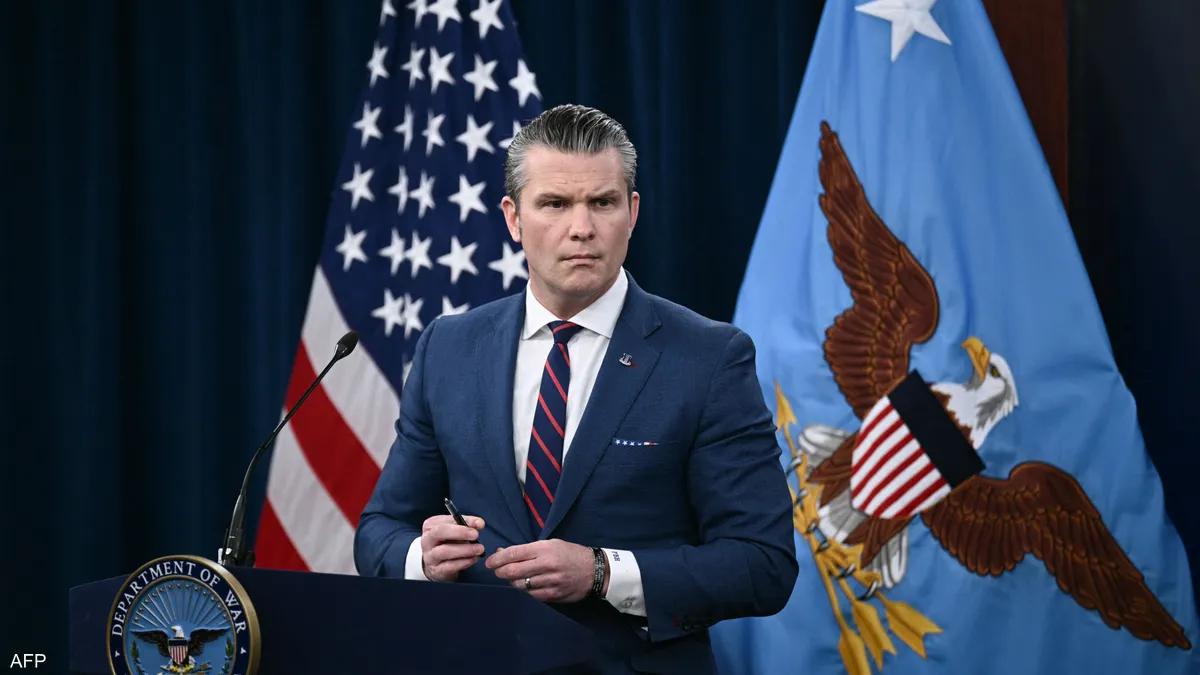
CNN also described officials hoping a broader deal could be finalized “as early as this weekend,” while it said the Trump administration was considering unfreezing $20 billion in Iranian assets.
The Guardian reported that when asked about a Truth Social post claiming NATO offered help with the strait, a NATO official responded that “NATO observed today’s meeting on freedom of navigation in the Strait of Hormuz and is closely monitoring the military planning being carried out.”
In the same Guardian account, Trump posted that NATO was “useless when needed” and had only offered to help after the strait was reopened, describing the alliance as a “paper tiger.”
Forbes said French President Emmanual Macron and U.K. Prime Minister Keir Starmer were hosting a meeting in Paris to discuss the international coalition they’re spearheading to help secure the Strait of Hormuz once the conflict officially ends.
Oil shock and next steps
The reopening announcement immediately moved markets and raised questions about how long the opening would last and whether mines and enforcement would remain obstacles.
CNBC said oil prices plunged more than 10% on Friday to below $90 per barrel, and it reported that about a fifth of the world’s crude supplies passed through the strait before the war.
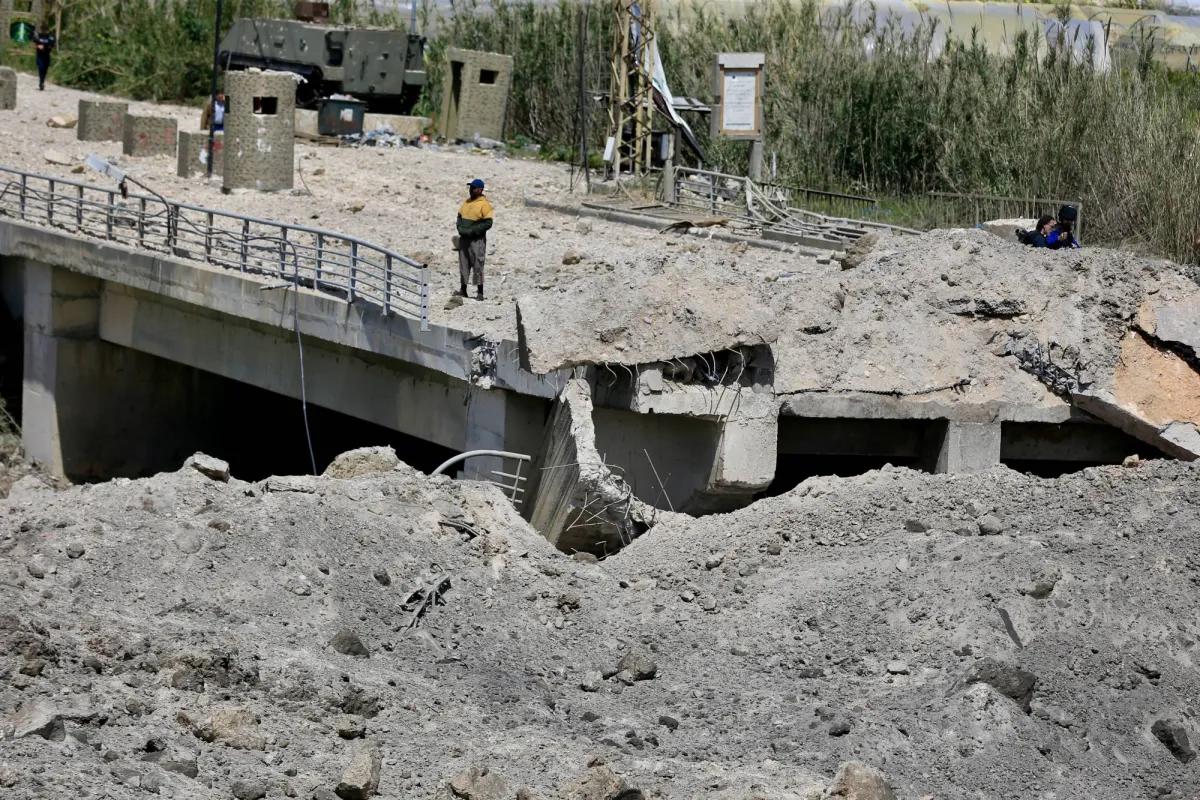
PBS (AP) similarly said Araghchi posted that the waterway was “now fully open to commercial vessels,” and it noted that the strait is “through which about 20% of the world's oil is shipped,” while Trump said the American blockade “will remain in full force” until Tehran reaches a deal with the U.S., including on its nuclear program.
The Hill reported that financial markets rallied, and it gave specific oil benchmarks: “Brent crude…decreased to $89,” while “West Texas Intermediate dropped to $81.”
Sky News Arabia provided more granular pricing, saying Brent crude for June delivery fell “down 10.42% to $89.03 a barrel,” and WTI for May delivery fell “11.11% to $84.17 a barrel.”
El País described the opening as lasting “until the end of the ceasefire with the United States,” “in effect until next Wednesday,” and it said the decision was “subject to extension depending on how negotiations proceed.”
More on Iran
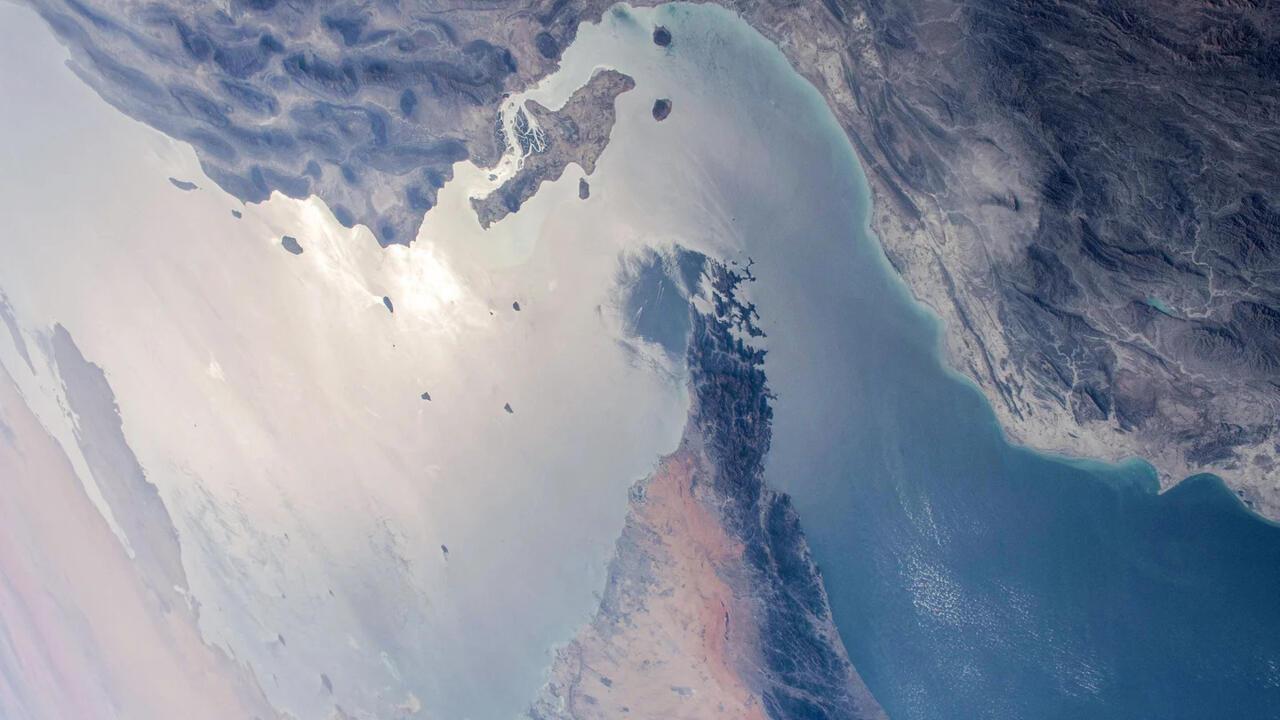
Iran Declares Strait of Hormuz Completely Open as Trump Keeps U.S. Blockade
24 sources compared
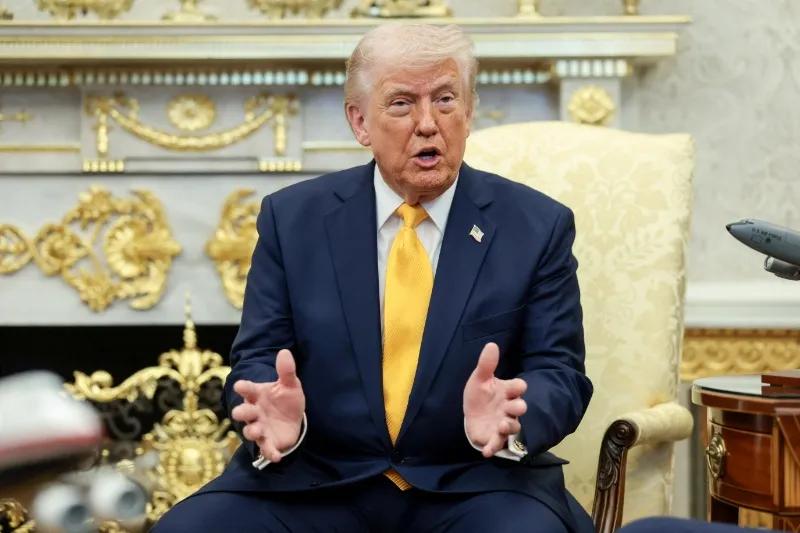
Iran’s Abbas Araghchi Declares Strait of Hormuz Completely Open as Trump Keeps U.S. Blockade
38 sources compared

Trump Thanks Iran for Reopening Strait of Hormuz, Says U.S. Blockade Remains in Force
23 sources compared
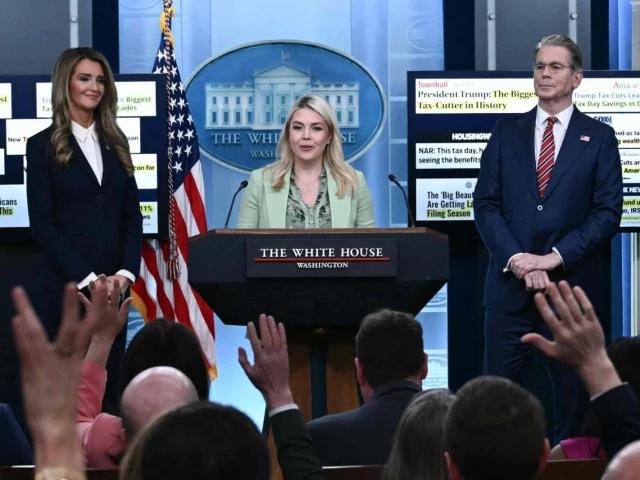
Trump Says U.S. Is Very Close to Iran Deal, With Pakistan as Mediator
22 sources compared