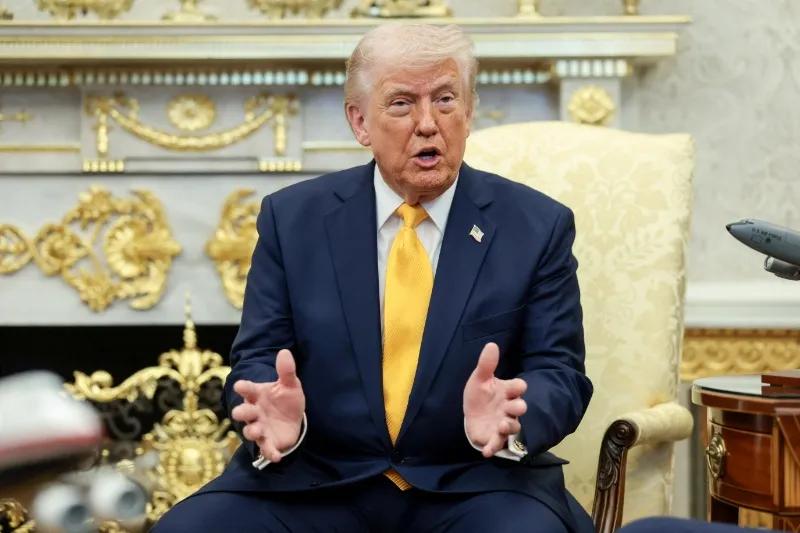
Iran’s Abbas Araghchi Declares Strait of Hormuz Completely Open as Trump Keeps U.S. Blockade
Key Takeaways
- Araghchi says Strait of Hormuz is completely open for all vessels during ceasefire.
- Trump says the U.S. blockade on Iranian ships and ports remains in effect.
- Oil prices fall over 10% following Hormuz opening announcement.
Hormuz Declared Open
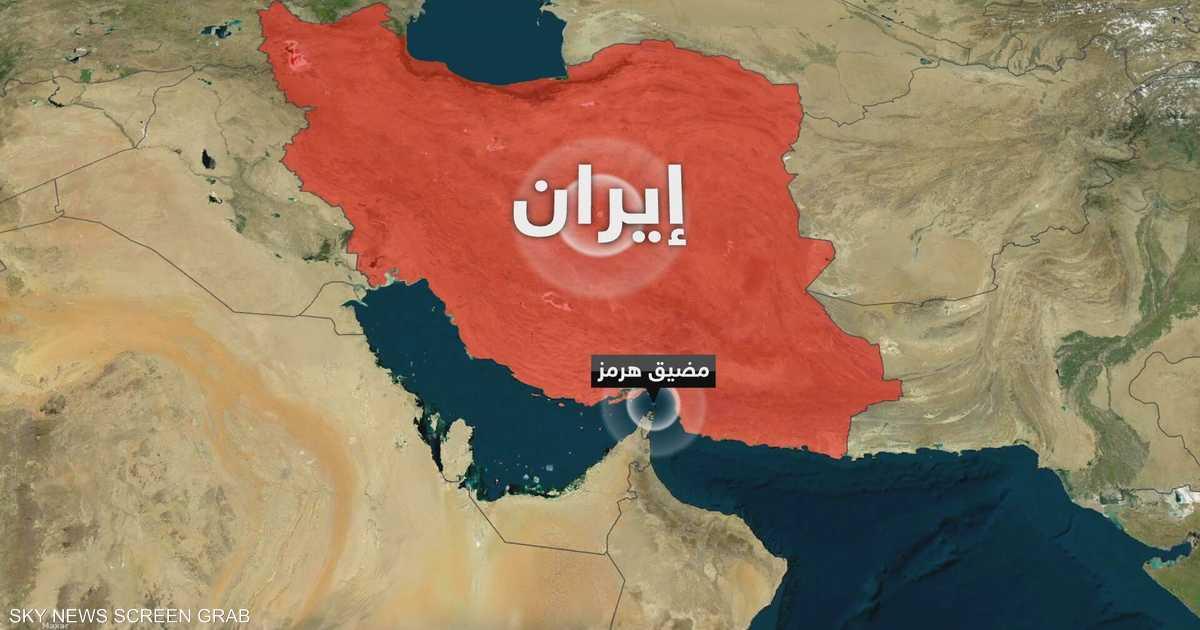
Iran’s foreign minister Abbas Araghchi said the Strait of Hormuz is “completely open” for all commercial vessels for the remaining period of the Israel-Lebanon ceasefire, adding that passage would be on “the coordinated route as already announced by Ports and Maritime Organisation of the Islamic Rep. of Iran.”
In a post on X on Friday, Araghchi said, “In line with the ceasefire in Lebanon, the passage for all commercial vessels through Strait of Hormuz is declared completely open for the remaining period of ceasefire,” and he specified it would be “on the coordinated route.”

The BBC reported that Araghchi posted in English on X and that Iranian state TV focused on “coordinated routes” while largely ignoring the phrase that passage for all commercial vessels is “completely open” for the remaining period of the ceasefire.
CBS News likewise framed the announcement as a declaration that the crucial shipping lane “is declared completely open” for commercial vessels for the remaining period of the ceasefire, while noting that ships would have to use a “designated route.”
AP News said Iran “fully reopened the Strait of Hormuz to commercial vessels,” while President Donald Trump said the American blockade on Iranian ships and ports “will remain in full force” until Tehran reaches a deal with the U.S., including on its nuclear program.
NBC News echoed the same core sequence, stating that Araghchi said the Strait of Hormuz “is declared completely open” and that Trump said the U.S. blockade “will remain in full force” until a peace deal is reached.
Trump Keeps Pressure
While Iran said the Strait of Hormuz would be “completely open” for commercial vessels during the ceasefire, President Donald Trump welcomed the announcement and simultaneously insisted the U.S. blockade would continue.
Al Jazeera reported that Trump confirmed in a social media post that the strait was “completely open and ready for business and full passage,” while adding that the US naval blockade of Iran would “remain in full force” until Iran reached a deal with the US to end the war.

The Guardian described Trump’s reaction as a gushing “thank you” on Truth Social and said the price of Brent crude fell 10% to under $90 a barrel after the announcement.
AP News said Trump posted that the blockade would remain “UNTIL SUCH TIME AS OUR TRANSACTION WITH IRAN IS 100% COMPLETE,” and it reported that Trump also said the U.S. is working with Iran to remove mines from the strait.
CNN similarly said Trump claimed on Truth Social that Iran committed to “never close the Strait of Hormuz again,” while also stating the blockade would remain until a deal is “100% complete.”
NBC News said Trump hailed the news and said negotiations over a peace deal with Iran “should go very quickly,” while also stating the blockade “will remain in full force.”
Routing, Military Limits, Mines
Multiple outlets described the reopening as conditional and disputed, with Iran emphasizing routing and limits on military traffic while the U.S. raised mine risks.
BBC Persian reported that Iranian state TV focused on “coordinated routes” and largely ignored the “completely open” language, while Tasnim News Agency called the post “bad and incomplete” and said such passage would be considered “void” should the US naval blockade continue.
CNBC said Araghchi declared the strait “completely open” for commercial ships but that vessels must transit through a “coordinated route” announced by Iran’s maritime authorities, and it said it was unclear whether Tehran would force ships to pay a toll.
NBC News added that authorities in Tehran would only allow “non-military vessels” to pass through “designated routes” approved by Iranian naval forces, quoting a senior military official.
The Guardian described additional uncertainty around mines and navigation, quoting a U.S. navy advisory note that read: “STATUS OF MINE THREAT IN PARTS OF THE STRAIT OF HORMUZ NOT FULLY UNDERSTOOD AND AVOIDANCE OF AREA SHOULD BE CONSIDERED,” and it said Thomas Kazakos of the International Chamber of Shipping called the reopening “a cautious measure of reassurance.”
The New York Times reported that Araghchi said the strait would be “completely open” for the “remaining period of cease-fire,” but it quoted Martin Navias saying that “That does not equate to freedom of navigation,” and it noted that before the war around 130 ships a day passed through the strait using two main lanes different from the route specified by Araghchi.
Domestic Backlash and Debate
Iran’s announcement also triggered internal backlash and calls for clarification, with IRGC-affiliated outlets challenging how the reopening should be interpreted.
BBC reported that Tasnim News Agency, affiliated with the Islamic Revolutionary Guard Corps (IRGC), called Araghchi’s post “bad and incomplete” and said such passage would be considered “void” should the US naval blockade continue, while it said “The Foreign Ministry itself should reconsider this kind of communication.”
BBC added that the Student News Network (SNN), linked to the IRGC's paramilitary Basij Student Organisation, called for “clarification” by Iranian authorities so that the “interpretation” of Donald Trump’s “victory” in relation to this matter will be “challenged and dismantled.”
AP News said two semiofficial news agencies in Iran seemed to challenge Araghchi’s announcement, with Fars issuing posts on X criticizing what it said was a lack of clarity and a “strange silence from the Supreme National Security Council and the negotiating team.”
CNBC said Iranian media affiliated with the Revolutionary Guard described a limited reopening and that commercial ships must coordinate with Iranian forces, citing a source close to Iran's Supreme National Security Council.
CNN reported that if the U.S. continues its naval blockade, Iran will consider it a ceasefire violation and close the Strait of Hormuz, citing Iranian state media Fars.
Ceasefire, Talks, and What’s Next
The reopening was tied directly to the Israel-Lebanon ceasefire and to the broader effort to end the U.S.-Israeli war on Iran, with multiple reports describing how negotiations and battlefield conditions could determine whether the arrangement lasts.
Al Jazeera said the 10-day ceasefire was agreed between Israel and Lebanon late on Thursday and that it was unclear whether Hezbollah would recognise it, while it also said Araghchi added that passage would be on the coordinated route as announced by Iran’s Ports and Maritime Organisation.
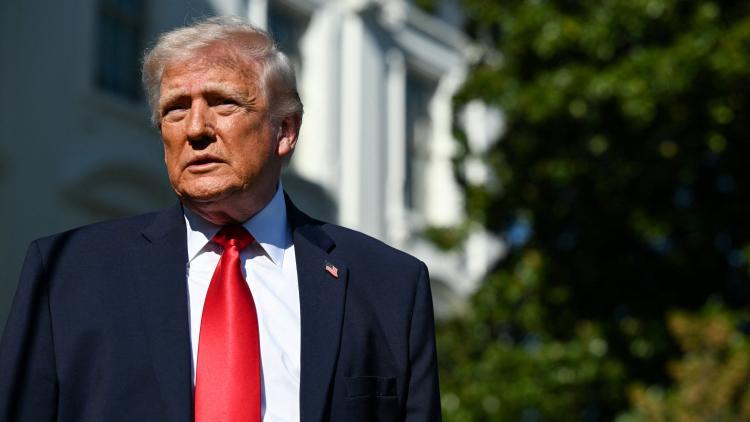
CBS News said Hezbollah and Iran indicated tacit backing for the Israel-Lebanon ceasefire but said they were poised with their “fingers on the trigger” to respond to any violations of the agreement.
CNN reported that a 10-day truce in Lebanon appeared to be holding and that Israel said its forces would not withdraw from southern Lebanon, while Iran-backed Hezbollah warned it would only abide by the truce if Israeli attacks stopped.
NBC News said the ceasefire between Israel and Lebanon appeared to be holding, with civilians rushing home to destroyed villages in southern Lebanon even as Israel vowed its military would not withdraw, and it also stated that Trump said Israel had been “prohibited” from bombing Lebanon by the U.S.
NBC News further reported a death toll attributed to Iran’s forensics chief, saying “more than 3,300 people had been killed in the country since U.S.-Israeli strikes began Feb. 28,” and it added that “More than 2,100 people have been killed in Lebanon, 32 have been killed in Gulf states, and 23 have died in Israel.”
More on Iran

Iran Declares Strait Of Hormuz Completely Open As Trump Says U.S. Blockade Continues
11 sources compared

Iran Declares Strait Of Hormuz Completely Open, While Trump Keeps U.S. Blockade In Force
39 sources compared
Iran Declares Strait Of Hormuz Completely Open; Trump Says U.S. Blockade Remains Active
56 sources compared
White House And Iran Trade AI Memes In Online War Over Trump And Jesus
11 sources compared