
Iran defends strikes on Gulf neighbors — but they say trust is broken
Key Takeaways
- Iran defended strikes, calling U.S. military assets in surrounding territories legitimate targets.
- Gulf states told CNBC the attacks created a "huge trust gap" lasting years.
- Iran said the strikes were retaliation against America and Israel.
Iran's justification
Iran defended its strikes against its Gulf neighbors to CNBC, saying U.S. military assets located in surrounding territories were "legitimate" targets as part of Tehran's fight back against America and Israel.
“Iran has defended its strikes against its Gulf neighbors, telling CNBC that U”
Esmail Baghaei, spokesperson for Iran's Ministry of Foreign Affairs, told CNBC that Iran felt "no hostility" toward Gulf countries but that U.S. military assets in the region were legitimate targets and framed the strikes as self-defense under Article 51 of the UN Charter.
Baghaei said Iran had aimed attacks "against military bases and assets" belonging to the U.S. in the region and argued that "All military bases, installations and assets that in any form or manner are being used to help the aggressors are regarded as legitimate targets ...".
Note: the article uses two spellings for the spokesperson's name—"Baghaei" and later "Baghaaei".
Targets and impacts
Despite Iran's insistence that it targeted U.S. military assets, its strikes have hit critical energy infrastructure and civilian sites across the Gulf, including oil facilities, airports in Dubai and Abu Dhabi, hotels and residential buildings, and Iranian drones and debris from strikes have struck civilian infrastructure.
Intercepted drones and missiles have caused injury to civilians and soldiers, and the article reports "several fatalities."
Analysts told CNBC the strategy aimed to create maximum discomfort for Iran's immediate neighbors and to show Tehran could shake the global economy and disrupt oil markets.
The strikes have also been interpreted as an attempt to pressure Gulf states to make the U.S. and Israel end their aerial bombardment of Iran.
Gulf states' responses
Gulf states reacted with alarm and condemnation, saying the attacks have created a "huge trust gap" that will last for years.
“Iran has defended its strikes against its Gulf neighbors, telling CNBC that U”
A senior UAE official told journalists at an official briefing, "I am not saying, relations between Gulf states and Iran are not going to go back, because at the end of the day, you are neighbours but it creates a huge trust gap that, in my opinion, will last for decades to come."
Qatar pointed CNBC to a statement from the country's prime minister and foreign minister saying they "strongly condemned Iranian attacks on the State of Qatar and other Gulf countries" and that Tehran's justifications were "totally rejected."
The Gulf Co-operation Council issued statements calling Iran's attacks "treacherous" and "heinous" and said they will take "all necessary measures" to defend their security and territory.
The article says Gulf states like Saudi Arabia and the UAE have threatened to retaliate but have stopped short of escalatory action for now; CNBC asked Saudi Arabia, Qatar and Bahrain to comment and was awaiting responses.
Mixed signals and fallout
Iran's messaging has been mixed: Iranian President Masoud Pezeshkian apologised for strikes "last weekend," saying "We do not intend to invade other countries. Let us set aside all the disagreements, concerns, and resentments we have toward each other. Today, let us defend our own soil to bring Iran out of this crisis with dignity."
Shortly after that apology, Iran fired rockets toward a U.S. air base in the UAE.
Pezeshkian's apology prompted backlash from hardliners in Iran's Revolutionary Guards and clerical elite, and hardline cleric and lawmaker Hamid Rasai berated the president on social media, calling his stance "unprofessional, weak and unacceptable."
The article says Baghaei (spelled "Baghaaei" in this later reference) reiterated Pezeshkian's apology to CNBC but argued neighboring countries were being used by the U.S., saying, "We are very, very sorry that in the holy month of Ramadan, the territories of some regional states, some countries of the region, are being abused by the United States to attack other Muslim countries."
Michael Herzog, former Israeli Ambassador to the U.S., told CNBC people in the Gulf he has spoken to "are really upset with what the Iranians have been doing" and said Iran "isolated itself in the Gulf and got all of them to come out against Iran" and "miscalculated."
More on Iran
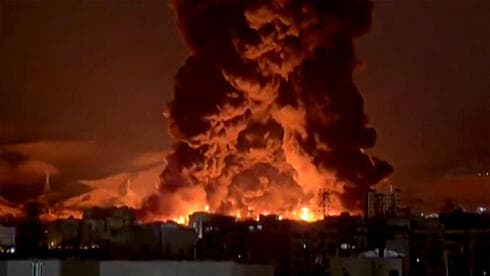
US obliterates military targets on Iran’s Kharg Island, Trump warns
13 sources compared
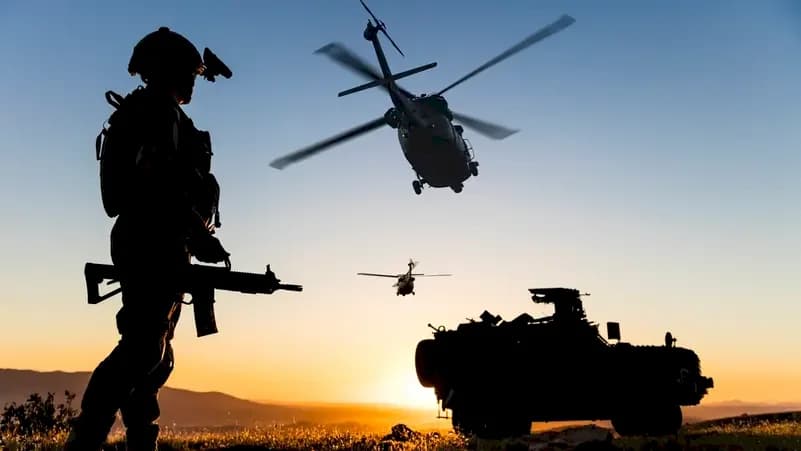
US Deploys About 2,500 Marines to Middle East After Iran Attacks Gulf Shipping
33 sources compared
FBI Warns of Iranian Drone Plot Based on Unverified Tip; California Says No Credible Threat
10 sources compared

White House Demands ABC Retract Report Claiming Iran Sought To Launch Drone Attacks On California
11 sources compared