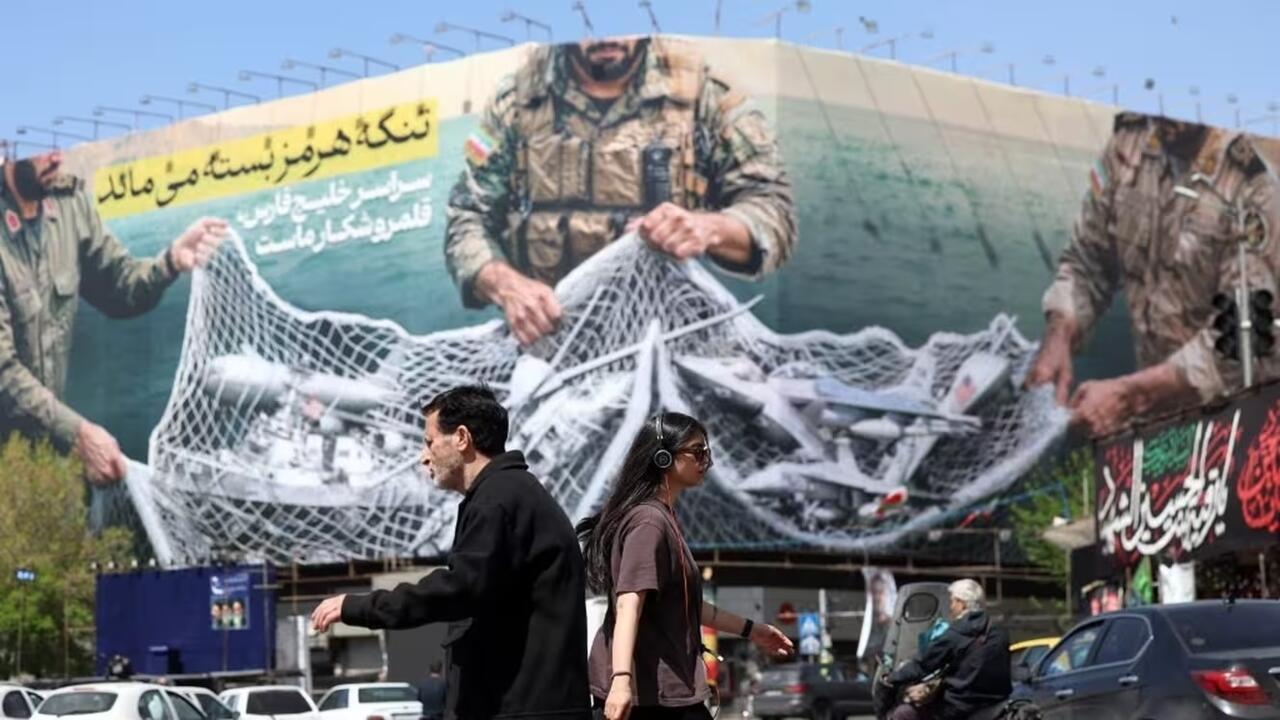
Iran Defense Ministry Says U.S. Can No Longer Dictate Policy as Hormuz Talks Stall
Key Takeaways
- Iran says the US cannot dictate policy to independent nations.
- Hormuz talks are deadlocked, delaying opening of the strait.
- Iran's latest proposal seeks to reopen Hormuz, end war, pause nuclear talks.
Hormuz Talks Stall
Iran’s defense leadership said the United States can no longer “dictate” policy to independent nations as Washington weighs a new Iranian proposal tied to reopening the Strait of Hormuz.
“Iran said on Tuesday that the United States was no longer able to "dictate" what other countries do, as Washington weighed a new proposal from Tehran on unblocking the Strait of Hormuz”
Iranian defense ministry spokesman Reza Talaei-Nik made the argument in remarks carried by state television, saying, “The United States is no longer in a position to dictate its policy to independent nations,” and adding that Washington would “accept that it must abandon its illegal and irrational demands.”
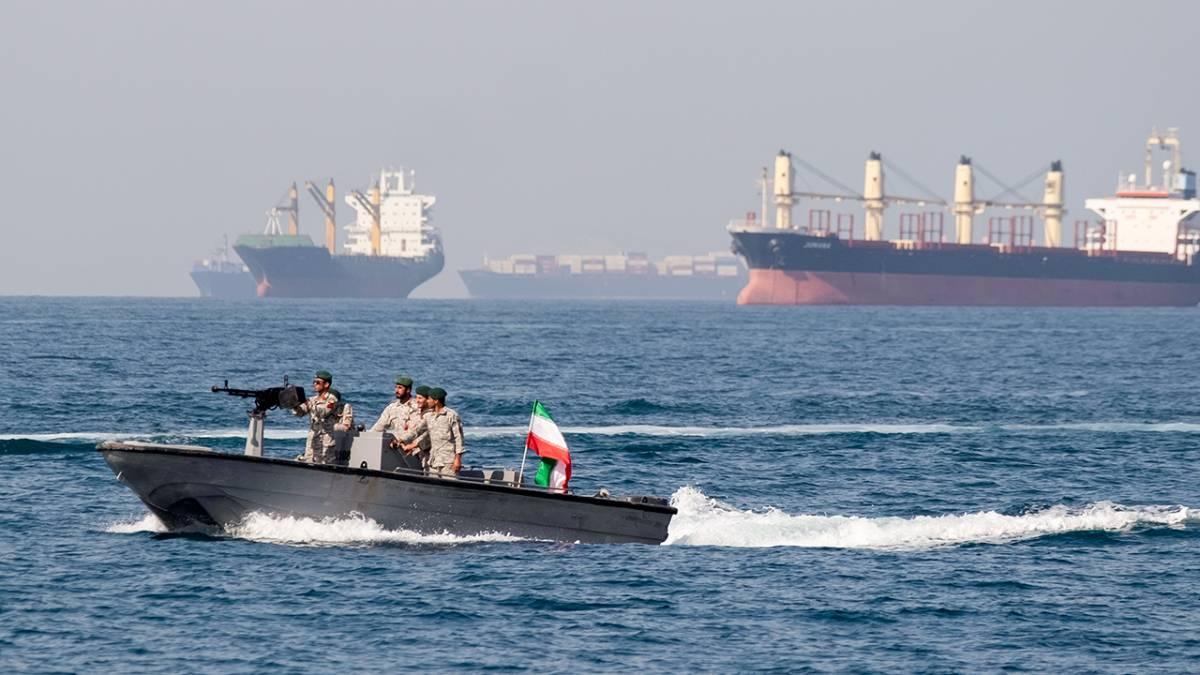
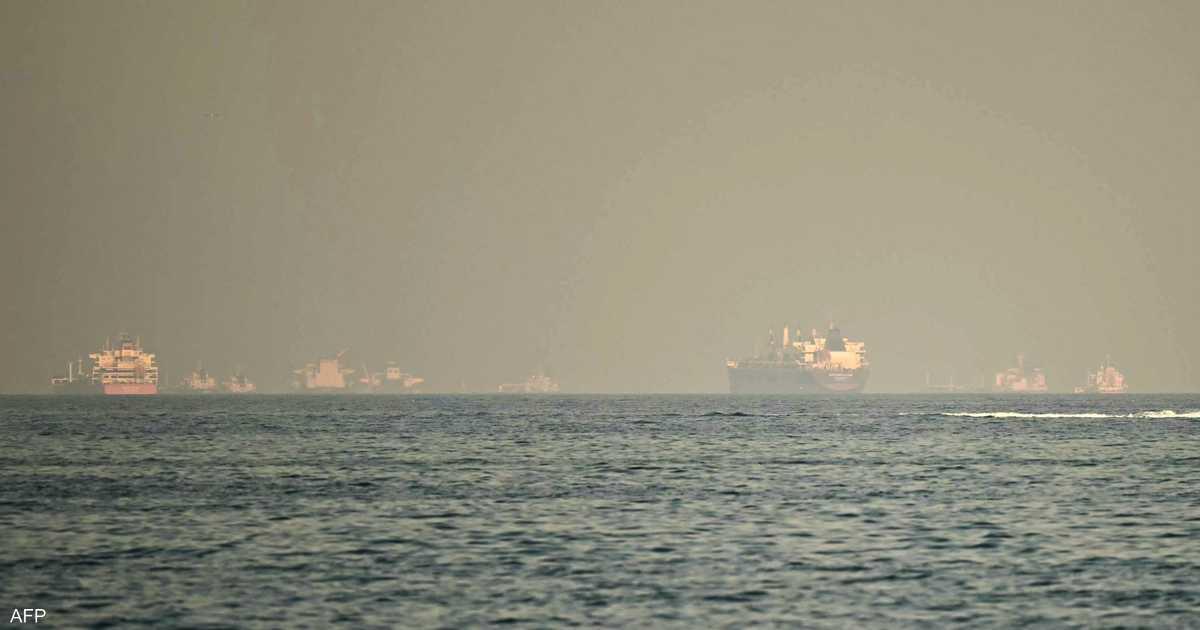
The proposal under consideration, as described across multiple reports, would reportedly reopen the Strait of Hormuz while wider negotiations on the war continue.
The same set of reports frames the talks as deadlocked despite a fragile ceasefire, with one account stating that “negotiations over reopening the strategic Strait of Hormuz remain deadlocked despite a fragile ceasefire.”
In Washington, US President Donald Trump publicly characterized Iran as being in a “state of collapse” and said Tehran wants the US to “Open the Hormuz Strait,” as he posted on Truth Social.
The diplomatic impasse is also described as involving sequencing, with one report saying Trump rejected the plan objecting to its sequencing and that the approach delays discussions on Iran’s nuclear program until after a ceasefire and maritime issues are resolved.
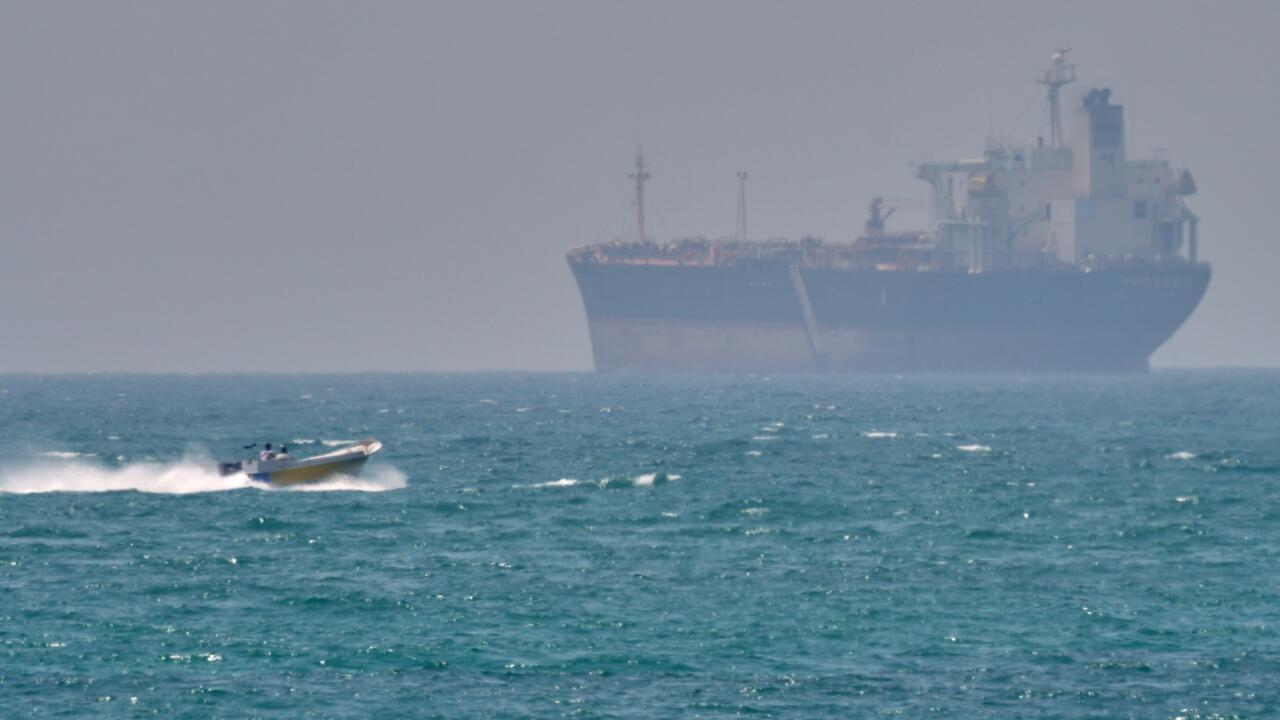
As the Strait of Hormuz remains central to the negotiation track, multiple outlets describe the waterway as “a vital conduit for global oil and gas shipments” and “a chokepoint for global energy supplies,” placing the maritime question at the center of the next steps.
Iran’s Offer and US Demands
Iran’s latest proposal, as relayed through mediation channels, is described as setting aside discussion of Iran’s nuclear programme until after the conflict is concluded and disputes over shipping are resolved, while the US insists nuclear issues must be addressed from the outset.
One report says Iran’s most recent offer for resolving the two-month war “would set aside discussion of its nuclear programme until the conflict was concluded and disputes over shipping resolved,” and it adds that “Trump wants nuclear issues dealt with from the outset.”

Another account similarly describes the proposal as linking reopening of the Strait of Hormuz to broader negotiations, with the sequencing approach delaying nuclear discussions until after a ceasefire and maritime issues are resolved.
US officials are quoted as saying Trump was reluctant to take Hormuz off the table without resolving the nuclear question, and one report cites a US official briefed on Trump’s Monday meeting with advisers.
In Washington, Secretary of State Marco Rubio told Fox News that “it’s better than what we thought they were going to submit,” while also questioning whether the proposal was genuine.
Rubio’s position is further detailed in another report where he said, “What they mean by opening the straits is, ‘Yes, the straits are open, as long as you coordinate with Iran, get our permission, or we’ll blow you up, and you pay us,’ that’s not opening the straits,” and he argued the strait is an international waterway.
The dispute over sequencing and nuclear linkage is therefore portrayed as the core reason diplomacy has not produced a permanent settlement.
Diplomatic Maneuvers and Mediation
The negotiation process described in the reporting hinges on messages transmitted via Pakistan and on parallel diplomacy involving Russia, while the US and Iran continue to exchange positions without direct meetings.
“WASHINGTON: Efforts to end the Iran conflict were at an impasse on Tuesday with US President Donald Trump unhappy with the latest proposal from Tehran, which he said had informed the US it was in a “state of collapse” and figuring out its leadership situation”
One account says Trump met with top security advisors on Monday to discuss the Iranian proposal after Tehran passed “written messages” to Washington via Pakistan spelling out its red lines, including on nuclear issues and the Strait of Hormuz.
Another report says mediators in Pakistan expect a revised Iranian proposal in the next few days after Trump indicated that he would not accept an earlier version, and it adds that Iranian Foreign Minister Abbas Araghchi was due back in Tehran on Tuesday after a visit to Russia.
In a separate report, Reuters quoted Pakistani sources confirming that Islamabad continues its efforts to bridge the gap between Washington and Tehran, while stating there are “no plans for any direct meeting between the two sides until they come close enough to sign a memorandum of understanding.”
The same reporting describes Araghchi meeting Russian President Vladimir Putin in Moscow after traveling to Pakistan over the weekend, and it says Putin pledged to do “whatever serves Iran’s interests and the interests of the region’s peoples.”
Russia is also described as offering to mediate to restore calm after the US-Israeli aggression against Iran, and it is said Russia repeatedly proposed storing Iran’s enriched uranium as a way to defuse tensions, a proposal the United States rejected.
Across the accounts, the mediation and messaging framework is presented as the mechanism for moving the talks forward, even as the nuclear sequencing dispute remains unresolved.
Regional Reactions and Warnings
As US-Iran talks remain inconclusive, Gulf and European officials are quoted warning about the risk of instability and pressing for a sustainable path.
Qatar’s foreign ministry spokesman Majed al-Ansari is quoted warning against a “frozen conflict,” saying, “We do not want to see a return to hostilities in the region anytime soon. We do not want to see a frozen conflict that ends up being thawed every time there is a political reason,” and he called for a “sustainable” peace.
In parallel, reporting on European reactions includes German Chancellor Friedrich Merz criticizing the US approach and describing a lack of negotiating strategy, with one account quoting Merz saying, “An entire nation is being humiliated by the Iranian state leadership, particularly through these so-called Revolutionary Guards,” and adding that he did not see how a near-term realization was possible because “the Iranians are clearly stronger than one thought and the Americans clearly don’t seem to have a convincing negotiating strategy.”
Another report quotes Merz’s broader disappointment with the US and Israel approach, and it also notes that Berlin planned to move components of its naval forces to the Mediterranean in preparation for a possible international mission to secure the Strait of Hormuz.
The reporting also includes a statement from Britain’s King Charles to the US Congress that “whatever our differences,” the UK and the US “will always be staunch allies united in defending democracy.”
On the Iranian side, Talaei-Nik’s messaging at the Shanghai Cooperation Organization defense ministers’ meeting in Bishkek emphasizes that Iran is ready to share defensive military capabilities with “independent countries, especially the member states of the Shanghai Cooperation Organization,” and he frames the US as being forced to abandon “illegal and irrational demands.”
Taken together, the quoted reactions show a negotiation process where both sides and regional actors are publicly defining what they consider acceptable outcomes, with warnings focused on avoiding renewed hostilities and preventing a prolonged stalemate.
Stakes: Energy, Politics, and Next Steps
The reporting ties the stalled negotiations to both economic and political pressure, with oil markets reacting and domestic US politics shaping the urgency to find an off-ramp.
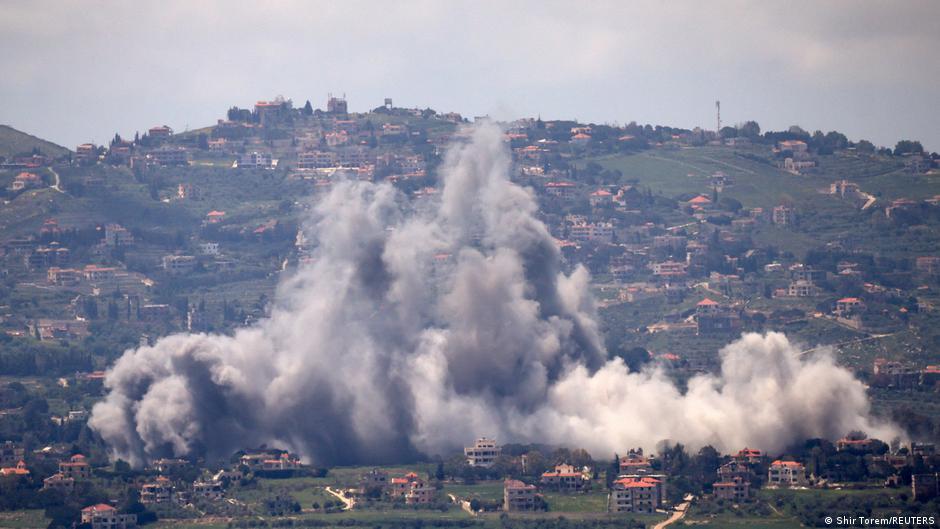
“All you need to know — Israel destroys a Hezbollah “massive” tunnel network and eight Lebanese are killed in Israeli airstrikes — Trump responds to Meretz: “He doesn’t know what he’s talking about” regarding Iran — Israel says it has no ambitions in Lebanese territory — Trump: Iran told me it is in a “collapse” and wants us to open the Strait of Hormuz — Gulf states hold a summit in Jeddah to discuss responses to Iran’s strikes — Bahrain: life imprisonment for five people on charges of spying for Iran — Iran: We are ready to share our defensive capabilities with Asian partners”
One account says oil prices resumed their upward march, with Brent crude rising 2.8 percent to around $111.26 a barrel, and it adds that the World Bank forecast energy prices would surge by 24 percent in 2026 to their highest level.
Another report notes that Trump faces domestic pressure to find an off-ramp as prices rise, with midterm elections due in November and polls showing the war is unpopular among Americans.
It also cites a Reuters/Ipsos poll showing Trump’s approval rating fell to 34 per cent, down from 36 per cent in a prior Reuters/Ipsos survey, and it describes the four-day poll completed on Monday.
The same reporting says Tehran would need guarantees that Washington and Israel would not attack again if it was to offer security assurances for the Gulf, and it quotes Iran’s envoy to the UN on that point.
On the US side, Rubio is quoted emphasizing that the central issue remains preventing Iran from acquiring a nuclear weapon, and another report quotes Rubio saying, “There is no doubt in my mind that at some point in the future, if that hardline religious regime remains in power in Iran, it will decide that it wants a nuclear weapon.”
With the talks described as inconclusive and the sequencing dispute unresolved, the next steps in the reporting center on Washington’s examination of the proposal, Pakistan’s mediation expectations for a revised Iranian proposal, and the continued linkage of Hormuz reopening to nuclear and blockade issues.
More on Iran
Trump Administration Rejects Iran Proposal To End War, Reopen Strait of Hormuz Without Nuclear Program
11 sources compared
Trump Administration Rejects Iran Proposal To Reopen Strait Of Hormuz Without Nuclear Deal
12 sources compared
Britain Summons Iran’s Ambassador in London Over Unacceptable Inflammatory Embassy Social Media Posts
10 sources compared
U.S. Weighs Iranian Proposal To Lift Strait Of Hormuz Blockades, Delay Nuclear Talks
68 sources compared