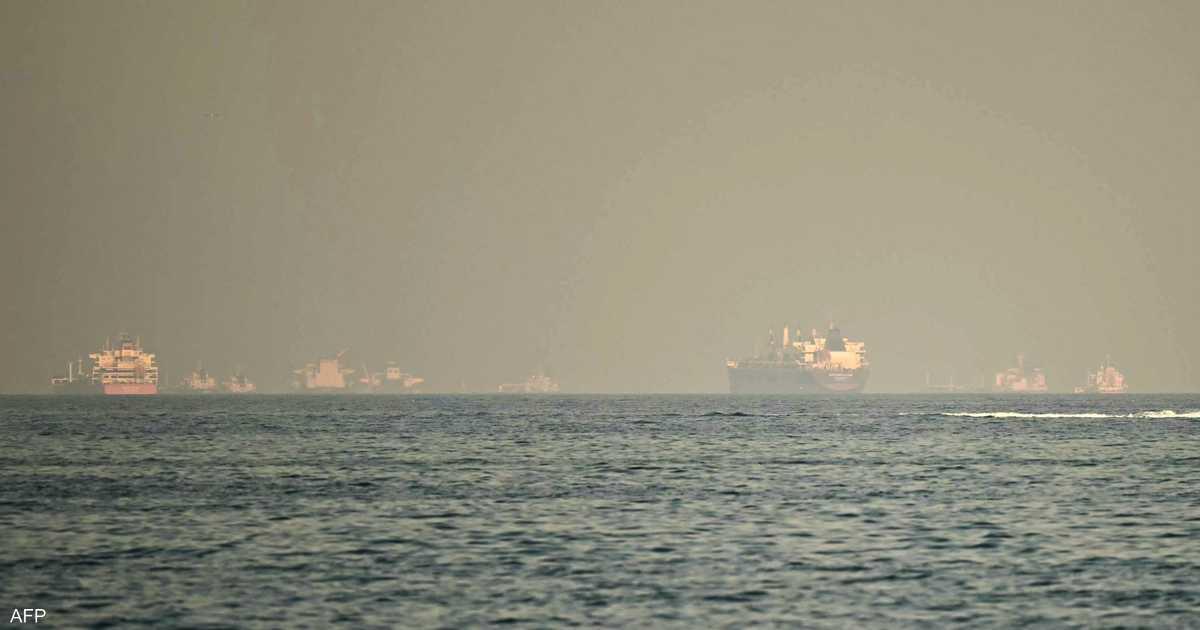
Trump Administration Rejects Iran Proposal To Reopen Strait Of Hormuz Without Nuclear Deal
Key Takeaways
- Iran proposed ending war and reopening Hormuz if blockade is lifted and talks delayed.
- Administration showed little enthusiasm for the proposal.
- Proposal would delay negotiations on Iran's nuclear program.
Iran offer and U.S. response
Iran’s latest proposal to end the war and reopen the Strait of Hormuz without resolving the impasse over the Islamic Republic’s nuclear program has met a cool reception from the Trump administration, with U.S. officials emphasizing that any agreement must “definitively prevent” Iran from “sprinting towards a nuclear weapon at any point.”
“President Donald Trump and his national security team on Monday discussed Iran's proposal to reopen the Strait of Hormuz if the U”
Secretary of State Marco Rubio said in a Fox News interview Monday that “We have to ensure that any deal that is made, any agreement that is made, is one that definitively prevents them from sprinting towards a nuclear weapon at any point,” after the proposal was delivered to the U.S. by Pakistan and discussed by President Donald Trump and his national security team.

NBC News reported that the United States showed “little immediate enthusiasm” for the offer, describing it as focusing on reopening Hormuz and ending the war while tabling “thorny nuclear talks until a later date.”
White House press secretary Karoline Leavitt told reporters that “I will confirm the president has met with his national-security team this morning,” and reiterated that “the president’s red lines with respect to Iran have been made very, very clear.”
Leavitt also said, “I wouldn’t say [the president and national-security team] are considering it,” while adding that “there was a discussion this morning that I don’t want to get ahead of.”
The proposal’s outline, as described by JNS.org and Reuters, would reopen the Strait of Hormuz in exchange for a long-term ceasefire or permanent end to the war, with nuclear negotiations starting later after the U.S. lifts its naval blockade of Iranian ports.
At the same time, the U.S. continued to enforce its blockade posture: NBC News said the U.S. military is using “more than 100 fighter and surveillance aircraft, two carrier strike groups and more than a dozen ships” to enforce the blockade of Iranian ports and coastal areas.
Hormuz, blockade, and costs
The dispute over the Strait of Hormuz has become the central battleground, with U.S. officials linking any reopening to nuclear constraints and with other reporting describing the proposal as a way to restore the prewar status quo without Iranian control or transit fees.
Rubio told Fox News that “The nuclear question is the reason why we’re in this in the first place,” and he argued that “The Strait of Hormuz is an economic nuclear weapon that Iran is trying to use against the world,” according to Masrawy’s account of his remarks.
CNBC reported that the Iranian proposal would postpone negotiations on Tehran’s nuclear ambitions for a later date, while also describing the U.S. position that it will not lift the blockade until a deal is “100% complete.”
Rubio also rejected a scenario in which reopening would come with Iranian permission and payments, saying, “If what they mean by opening the straits is, ‘Yes, the straits are open as long as you coordinate with Iran, get our permission or we’ll blow you up, and you pay us,’ that’s not opening the straits.”
NBC News said the Iranian proposal would focus on reopening Hormuz and ending the war that the U.S. and Israel began “two months ago,” but it would “table thorny nuclear talks until a later date.”
The U.S. enforcement effort has included interdicting ships after they go through the Strait of Hormuz, with NBC News describing that the U.S. “has been interdicting ships as they enter the Gulf of Oman after they go through the Strait of Hormuz.”
NBC News also reported that the U.S. military has stopped and redirected at least 39 ships, citing U.S. Central Command.
The economic stakes were reflected in market signals: NBC News said “National gas price averages hit a new high amid the war of $4.18 early Tuesday, up from $4.11 a day earlier,” and that “Brent crude” reached “above $111 a barrel.”
Diplomacy, mediators, and messaging
Behind the scenes, multiple reports describe a diplomatic process shaped by intermediaries and by the way Trump’s public messaging has interacted with negotiations.
The New Yorker described Trump’s decision to call off a trip to Islamabad, saying “On Saturday, President Donald Trump called off a trip to Islamabad that two of his chief negotiators—Jared Kushner and Steve Witkoff—were planning to make,” and it framed the ceasefire and blockade as creating a “high-stakes game of chicken.”
In that same account, the New Yorker quoted Ali Vaez, saying the ceasefire is “inherently unstable because both sides are constantly testing each other’s limits and, in a way, escalating the conflict.”
The New Yorker also reported Vaez’s view that “the double blockade actually creates a pretty tenuous situation because every interdiction, every warning shot, every seizure of vessels, could become a trigger for a wider relapse into conflict.”
CNBC reported that Trump canceled the Islamabad trip after Iranian Foreign Minister Abbas Araghchi had departed Islamabad after only speaking with Pakistani officials, and it quoted Trump’s Truth Social post: “Too much time wasted on traveling, too much work!” while asserting the U.S. still has “all the cards.”
CNBC also said Trump announced the decision after Araghchi left Islamabad, and it reported that Trump later told reporters that Iran had followed up with a “much better” offer, saying, “They gave us a paper that should have been better. And interestingly, immediately, when I canceled it, within 10 minutes, we got a new paper that was much better.”
Fox News coverage described Trump’s stance as “He doesn't love the proposal,” citing a U.S. official to Reuters, and it also quoted Rubio’s position that “They cannot normalize, nor can we tolerate them trying to normalize, a system in which the Iranians decide who gets to use an international waterway and how much you have to pay them to use it.”
Separately, ynetnews reported that mediators were pressing both sides and that “the coming days are especially critical,” while also noting that Trump said over the weekend he canceled plans to send envoys to Pakistan and that talks could continue “by phone.”
Casualties, Gaza water, and regional spillover
While the U.S. and Iran weigh the proposal, the reporting also places the conflict inside a broader regional toll and humanitarian context that includes Lebanon, Israel, Gaza, and Gulf Arab states.
NewsNation said that “Since the war began, at least 3,375 people have been killed in Iran and at least 2,521 people in Lebanon,” and it added that “Another 23 people have been killed in Israel and more than a dozen in Gulf Arab states.”
It also reported that “Sixteen Israeli soldiers in Lebanon, 13 U.S. service members in the region and six U.N. peacekeepers in southern Lebanon have been killed.”
NewsNation quoted United Nations General Assembly President Annalena Baerbock warning that the conflict is disrupting global supplies and deepening regional crises, saying, “Every effort to come to a ceasefire is highly needed,” and adding that “It overshadows the devastating situation for the people in Gaza.”
The same report included Doctors Without Borders accusations that Israel was “systemically depriving” people in Gaza of water, calling it a “campaign of collective punishment,” and it said MSF documented that Israel had destroyed or damaged “about 90% of Gaza’s water and sanitation infrastructure.”
NewsNation quoted MSF emergency manager Claire San Filippo saying, “Israeli authorities know that without water life ends, yet they have deliberately and systematically obliterated water infrastructure in Gaza – while consistently blocking water-related supplies from entering,” and it reported that COGAT rejected the accusations and said the Gaza Strip “consistently exceeds humanitarian thresholds.”
NewsNation also reported a specific death in Gaza, saying “A 9-year-old boy was killed Tuesday by Israeli fire in southern Gaza,” and it identified him as Adel al-Najjar, killed about “400 meters (1,312 feet) west of the Yellow Line.”
In southern Lebanon, NewsNation said Israeli airstrikes hit the villages of Chakra, Tebnine and Kafra, and it reported a drone strike hit a motorcycle in Mansouri, with “no immediate information about possible casualties.”
Stakes, threats, and next steps
The sources portray the negotiations as tightly constrained by red lines, with multiple actors warning that failure could mean renewed fighting or intensified pressure.
“A brittle ceasefire currently exists United States and Iran, but any hope of a longterm agreement has stalled”
JNS.org reported that Reuters said Trump was unhappy with the proposal because it did not address Iran’s nuclear program, and it also cited CNN about the president being unlikely to accept the plan because it could remove “a key piece of American leverage in the talks.”
JNS.org further described Israel’s urging that the U.S. continue its closure of the Strait of Hormuz and not ease the naval blockade as a goodwill gesture, and it cited Channel 12 assessments that continued blockade could increase pressure by “reducing revenues, exacerbating internal divisions and leaving it with a choice.”
The same JNS.org report said that Israeli officials discussed the option of “broad strikes targeting the Islamic Republic’s energy infrastructure,” and it described a scenario where if Tehran does not soften its position even after a prolonged blockade, “the U.S. may opt for a return to fighting.”
Fox News included a warning from Trump’s post about escalation, stating that he threatened to strike “all power plants and bridges” in Iran if no agreement is reached, and it said Washington “will not waver” if the diplomatic path fails.
Masrawy quoted Rubio saying sanctions and pressure are “exceptional” and can be increased, and it also quoted Rubio’s framing that the American embargo is “not a blockade on shipping, but a blockade on Iranian shipping.”
Mondoweiss described a ceasefire context and quoted German Chancellor Friedrich Merz observing, “An entire nation is being humiliated by the Iranian leadership,” while also discussing how the U.S. blockade has “many holes” and that Iran is continuing to have “quite a significant number of tankers” that pass the blockade.
The New Yorker’s interview with Ali Vaez added a time-pressure dynamic, saying Iran’s cushion could last “two to three months” and that the Iranians believe the American timeline is “two to three weeks for President Trump,” while also warning that neither side is likely to fold and that “both sides would have to return to the table, show flexibility, and accept a compromise.”
Across the reporting, the next steps remain conditional: Leavitt said Trump would address the topic “very soon,” and NewsNation said Trump would address it later after the national security team discussed the offer.
More on Iran
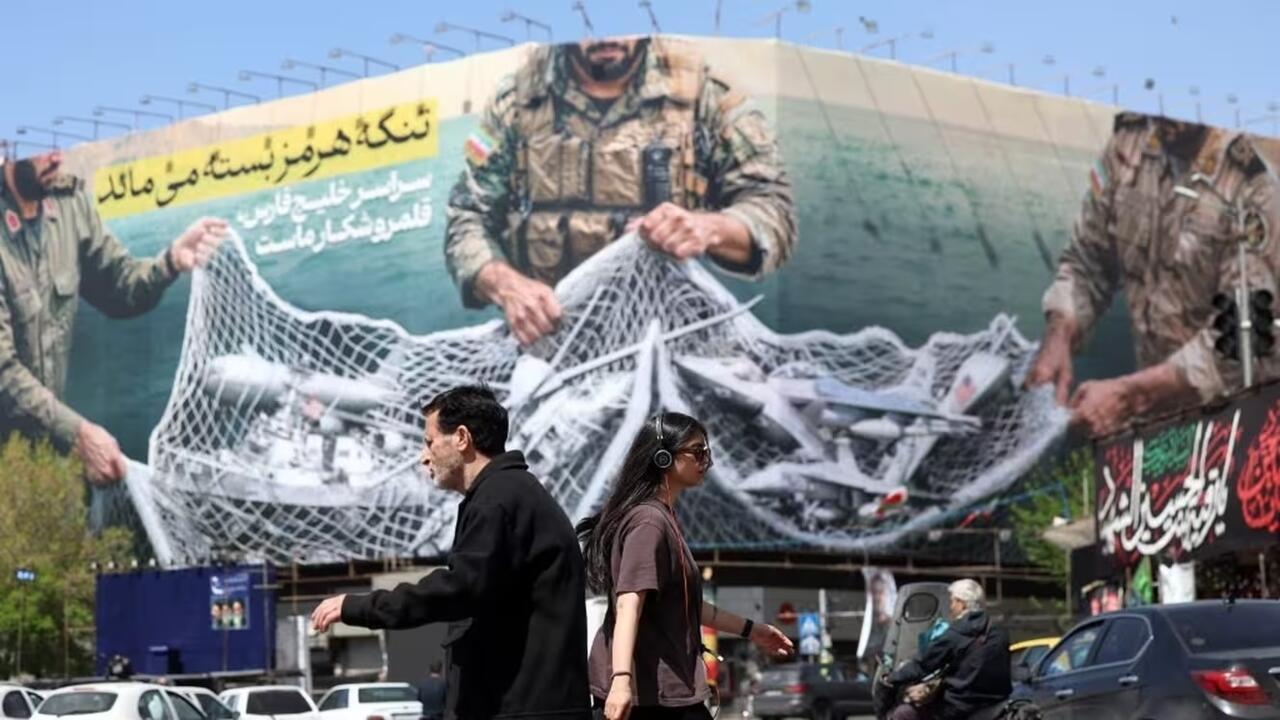
Iran Defense Ministry Says U.S. Can No Longer Dictate Policy as Hormuz Talks Stall
18 sources compared
Trump Administration Rejects Iran Proposal To End War, Reopen Strait of Hormuz Without Nuclear Program
11 sources compared
Britain Summons Iran’s Ambassador in London Over Unacceptable Inflammatory Embassy Social Media Posts
10 sources compared
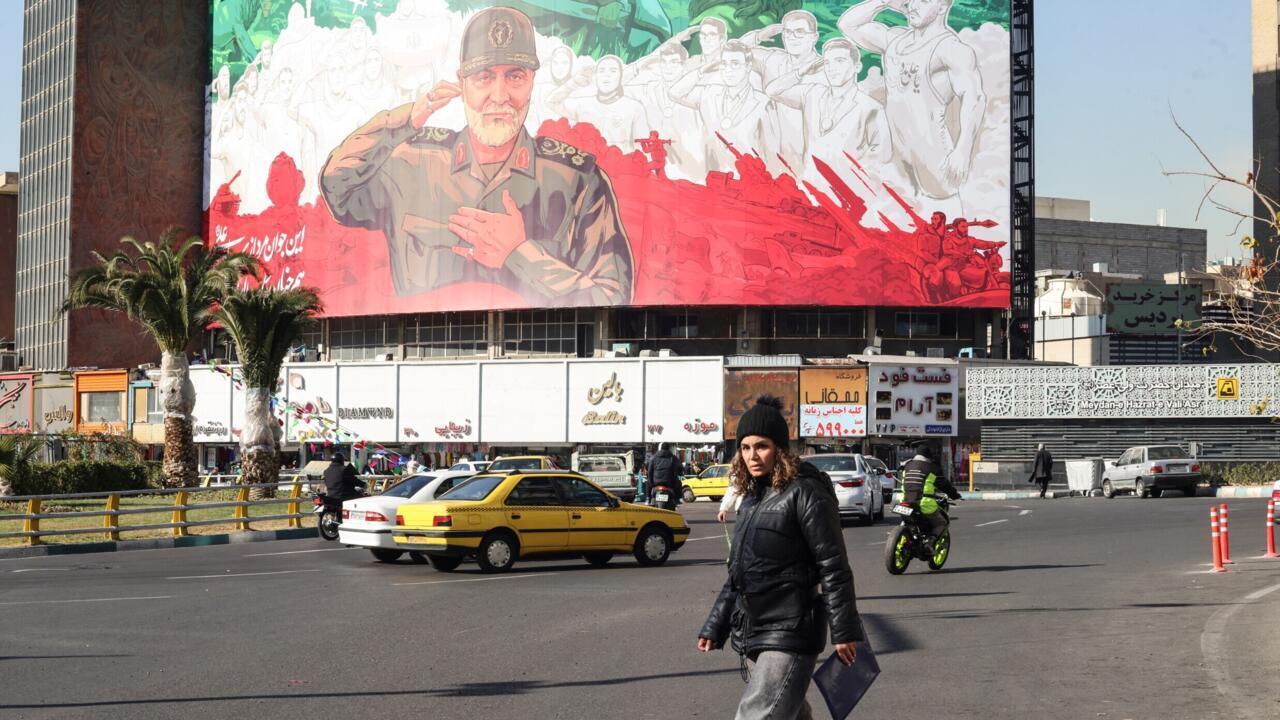
U.S. Weighs Iranian Proposal To Lift Strait Of Hormuz Blockades, Delay Nuclear Talks
68 sources compared