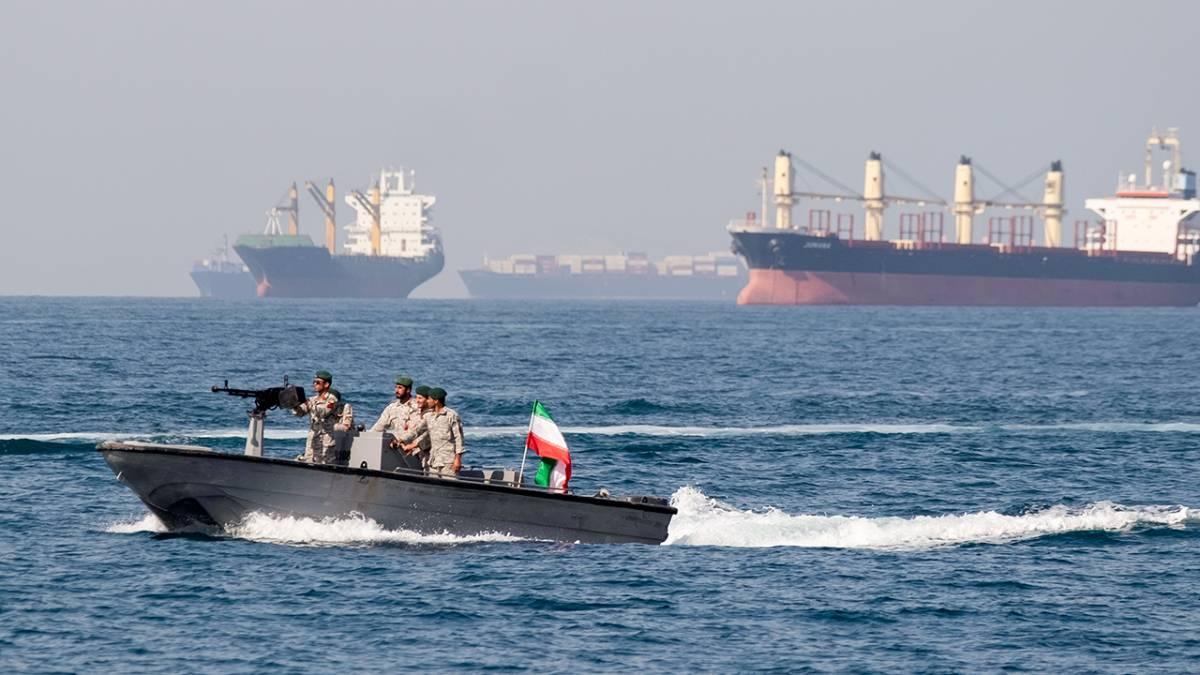
Iran Rejects Trump Claim on Reopening Strait of Hormuz Before Peace
Key Takeaways
- Iran says the US cannot dictate policies to independent nations.
- Iran proposed reopening the Strait of Hormuz in exchange for ending the blockade and delaying nuclear talks.
- U.S. officials reacted cautiously to Iran's proposal to reopen Hormuz without a nuclear deal.
Hormuz Proposal Rejected
Iran contradicted President Donald Trump’s claim that Tehran asked him to open the Strait of Hormuz “as soon as possible,” insisting that “the smooth passage of the commercial fleet through the strait will not be possible before peace is achieved.”
In a statement addressed to the meeting of defense ministers of the Shanghai Cooperation Organization, Tehran stressed that the strait’s reopening would depend on peace rather than immediate action.
The Washington Post reported that Trump told advisers he was “not satisfied with Iran’s latest proposal to reopen the Strait of Hormuz and end the war,” according to “multiple people briefed on discussions in the White House Situation Room on Monday.”
The New York Times similarly said Trump was “not satisfied” and that the proposal would have set aside questions about “what to do with Iran’s nuclear program.”
The Washington Post also described the proposal as one where the United States and Iran would “immediately lift their blockades in the Strait of Hormuz but delay talks regarding Iran’s nuclear program and a larger peace deal.”
White House press secretary Karoline Leavitt told reporters Monday that the Trump administration is discussing the matter, “without offering more details,” while Olivia Wales said, “The United States will not negotiate through the press.”
Secretary of State Marco Rubio told Fox News that “Suffice it to say that the nuclear question is the reason why we’re in this in the first place,” and he argued that the strait “cannot normalize nor can we tolerate them trying to normalize a system in which the Iranians decide who gets to use an international waterway and how much you have to pay them to use it.”
Blockades, Nuclear Red Lines
Across multiple reports, the core dispute centered on whether the United States would lift its blockade and reopen Hormuz without resolving the nuclear program.
The Washington Post described Rubio’s position that “Suffice it to say that the nuclear question is the reason why we’re in this in the first place,” and it quoted Rubio saying the United States would not “normalize” a situation in which Iran controlled the strait.

Time reported that Rubio dismissed any notion of a proposal that doesn’t center “the conversation about Iran’s nuclear capabilities,” saying, “There’s no doubt in my mind that at some point in the future if this radical clerical regime remains in charge in Iran, they will decide they want a nuclear weapon.”
NewsNation likewise framed the proposal as one that would postpone nuclear discussions, quoting Rubio: “We have to ensure that any deal that is made, any agreement that is made, is one that definitively prevents them from sprinting towards a nuclear weapon at any point.”
NBC News added that the Iranian proposal would end the war and reopen Hormuz while “table thorny nuclear talks until a later date,” and it reported Rubio’s warning that any agreement would have to “definitively prevents them from sprinting towards a nuclear weapon at any point.”
The Washington Post also said the proposal would have Iran asking the U.S. to lift its blockade of Iranian ports in exchange for Tehran reopening the strait to maritime traffic, while a Pakistani official briefed on sensitive details did not specify whether Tehran would require coordination or a toll.
El País reported that Trump was unhappy with Iran’s latest proposal to end the conflict that began on February 28 because it “does not address the nuclear program,” and Time said Trump wanted Hormuz opened “as soon as possible” while they try to “figure out their leadership situation.”
Diplomacy and Canceled Trips
Diplomatic activity around the proposal moved through Oman, Pakistan, and Russia, while the United States canceled planned envoy travel amid uncertainty.
The Washington Post reported that Iranian Foreign Minister Abbas Araghchi met Monday with Russian President Vladimir Putin, who pledged to do “everything” possible to bring peace to the Middle East, and it said Araghchi arrived in St. Petersburg early Monday after stops in Oman and Pakistan.
The Washington Post also said hopes of a deal dimmed after Trump at the last minute called off plans to send to Pakistan envoys Steve Witkoff and Jared Kushner, and it described Trump’s rationale as “Too much time wasted on traveling, too much work!” and “Besides which, there is tremendous infighting and confusion within their ‘leadership.’ Nobody knows who is in charge, including them.”
Axios reported that the crisis deepened over the weekend after Araghchi’s visit to Pakistan ended with no progress, and it quoted Trump: “I see no point of sending them on an 18-hour flight in the current situation. It’s too long. We can do it just as well by telephone. The Iranians can call us if they want. We are not gonna travel just to sit there.”
El País said Iran does not participate in FIFA meetings in Vancouver due to visa problems, and it described the Iranian Football Federation’s absence from a Tuesday meeting in Vancouver, Canada, casting doubt on participation in the next World Cup.
The same El País report said Trump posted on social media that “The Iran national football team is welcome at the World Cup, but I really don’t think it’s appropriate for them to be there, for their own security,” and it quoted Rubio saying, “The problem with Iran would not be its athletes, but some of the other people they would want to bring with them.”
KUOW highlighted that Rubio signaled efforts were deadlocked, saying the U.S. demand for Iran to give up its nuclear ambition had not seen progress, while also noting Iran’s diplomatic outreach to Russia.
Blockade Enforcement and Oil Prices
While negotiations stalled, the United States continued enforcing the naval blockade and reported specific interdictions and redirections.
Time said the U.S. naval blockade remains active and that U.S. Central Command (CENTCOM) reported Marines had stopped and searched another vessel to confirm the ship’s voyage would not include an Iranian port call.
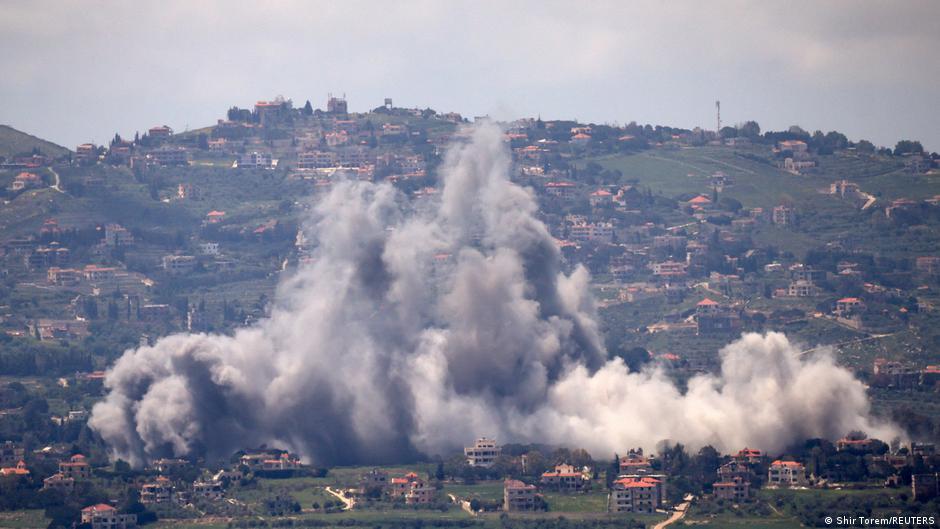
Time also reported that “39 vessels have been redirected since the U.S. naval blockade began on April 13,” and it tied the blockade to a prolonged stalemate in the cease-fire.
DW reported that US Central Command said Marines boarded a ship in the Arabian Sea, identifying it as “M/V Blue Star III,” and it quoted CENTCOM: “US forces released the vessel after conducting a search and confirming the ship's voyage would not include an Iranian port call.”
DW also said “So far, 39 vessels have been redirected to ensure compliance,” aligning with Time’s figure.
NBC News reported that energy prices surged again, with national gas price averages hitting $4.18 early Tuesday, up from $4.11 a day earlier, and it said Brent crude reached “a three-week high above $111 a barrel.”
El País reported that the U.S. reports that “20 ships remain stranded at a key Iranian port” due to the naval blockade, and it cited CENTCOM on Chah Bahar, saying “Today more than 20 vessels remain stranded.”
Stakes, Casualties, and Regional Fallout
The stakes described by the sources extended beyond Hormuz to casualties across the region and the fragility of Lebanon’s cease-fire.
“US Treasury yields rose on Tuesday as investors awaited developments in the negotiations between the United States and Iran, which had stalled over the weekend”
NewsNation reported that since the war began, “at least 3,375 people have been killed in Iran and at least 2,521 people in Lebanon,” and it added that “at least 23 people have been killed in Israel” and “more than a dozen in Gulf Arab states.”
It also listed deaths of “Sixteen Israeli soldiers in Lebanon, 13 U.S. service members in the region and six U.N. peacekeepers in southern Lebanon,” and it said United Nations General Assembly President Annalena Baerbock warned that urgent efforts to secure a ceasefire are critical.
Baerbock told reporters, “Every effort to come to a ceasefire is highly needed,” and she added, “It overshadows the devastating situation for the people in Gaza.”
NewsNation also included Doctors Without Borders accusations that Israel was “systemically depriving” people in Gaza of water in what it calls a “campaign of collective punishment,” and it quoted MSF emergency manager Claire San Filippo: “Israeli authorities know that without water life ends, yet they have deliberately and systematically obliterated water infrastructure in Gaza – while consistently blocking water-related supplies from entering.”
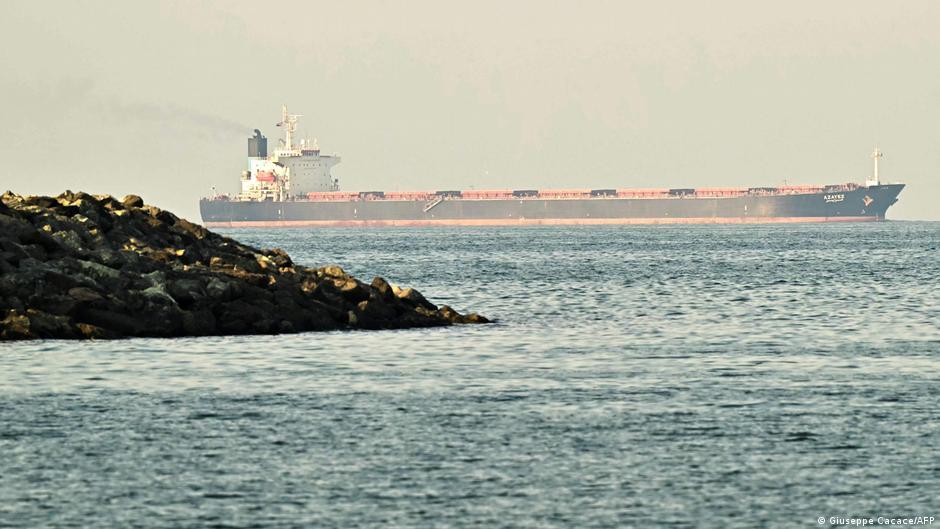
In Lebanon, KUOW said the ceasefire between Israel and Hezbollah “also appears to be fragile,” and it reported that Israel carried out “widespread strikes in Lebanon’s south” while Hezbollah fired “several drones at Israeli troops.”
DW reported that the Lebanese army said two soldiers were injured in an Israeli strike in the southern Lebanese village of Majdal Zoun, and it said Israel was targeting an army patrol in Majdal Zoun taking part in a rescue operation.
More on Iran
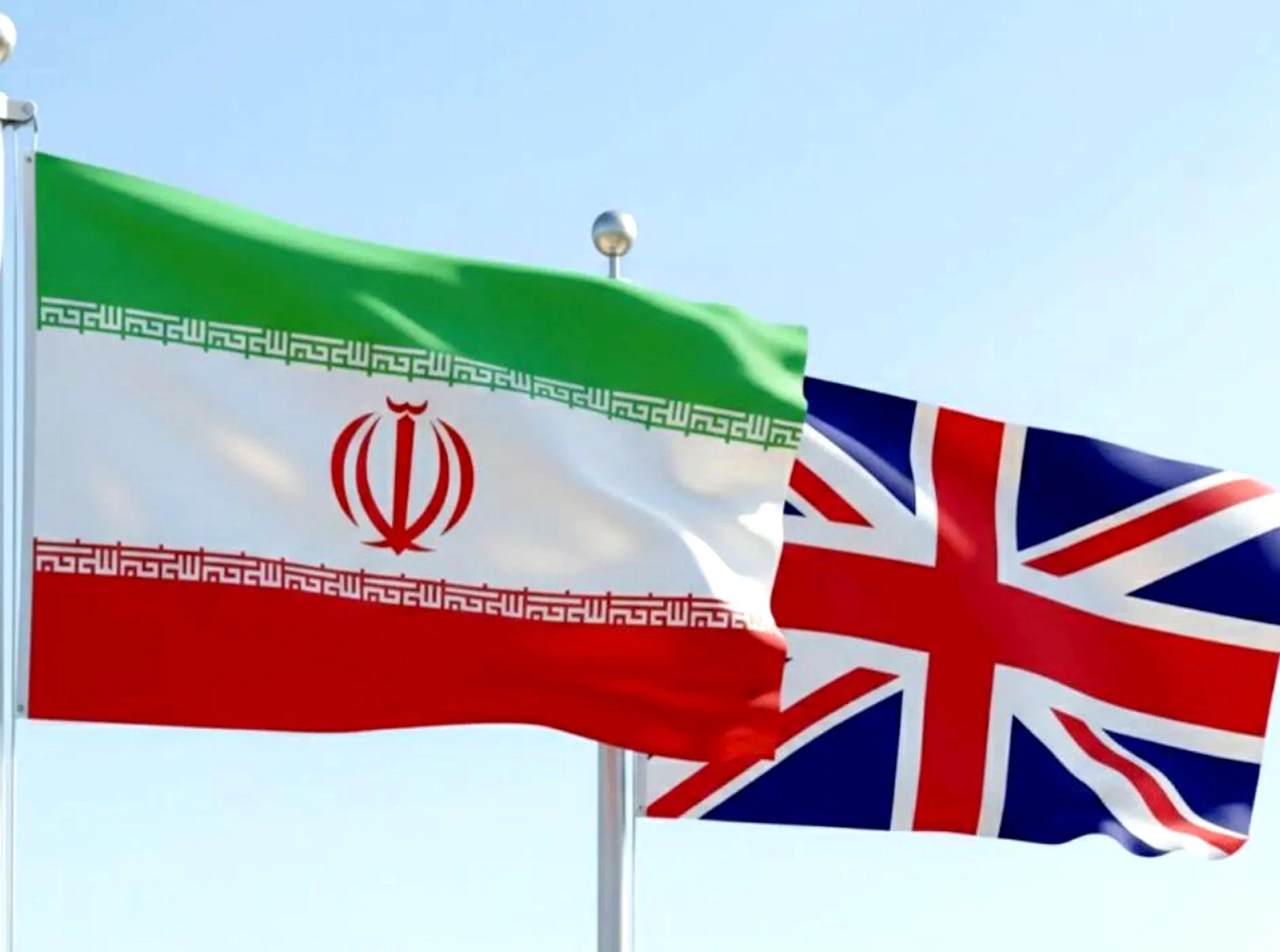
Britain Summons Iran’s Ambassador in London Over Unacceptable Inflammatory Embassy Social Media Posts
10 sources compared
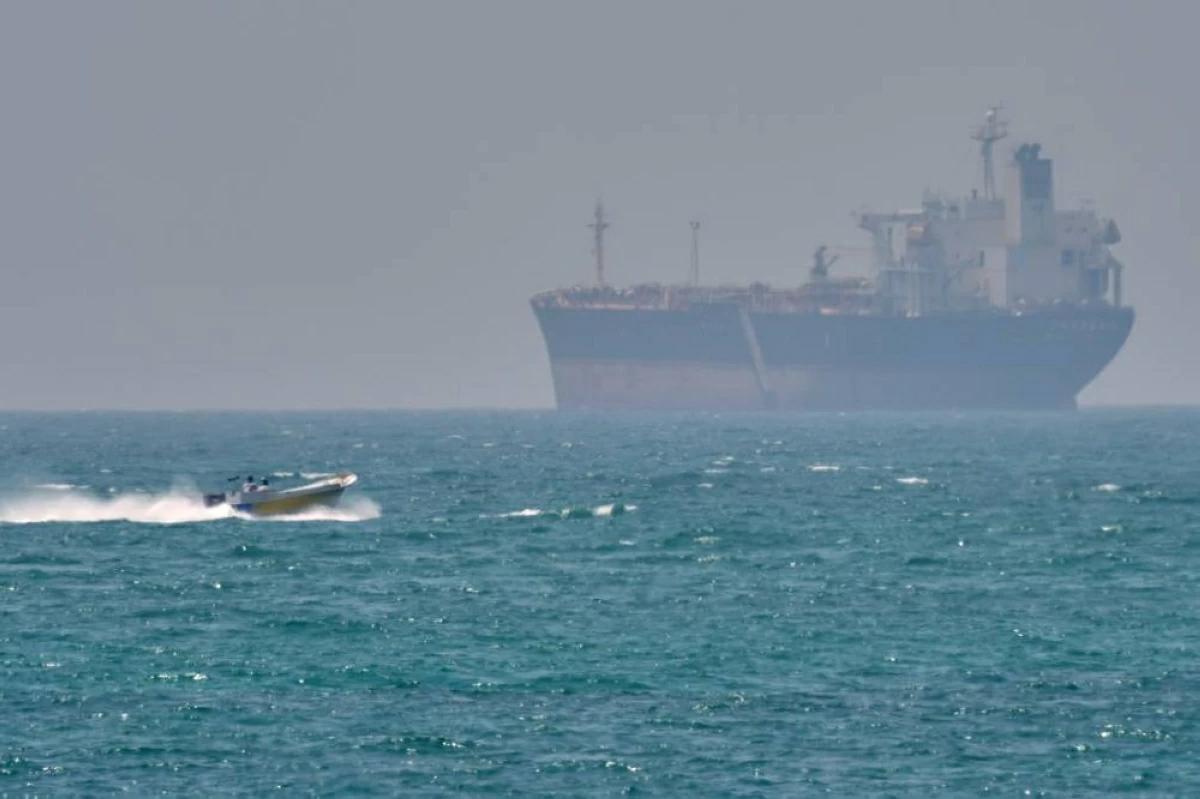
Iran Proposes Reopening Strait of Hormuz, Ending War, Postponing Nuclear Talks With U.S.
22 sources compared

Donald Trump Hosts King Charles and Queen Camilla at White House State Dinner
33 sources compared
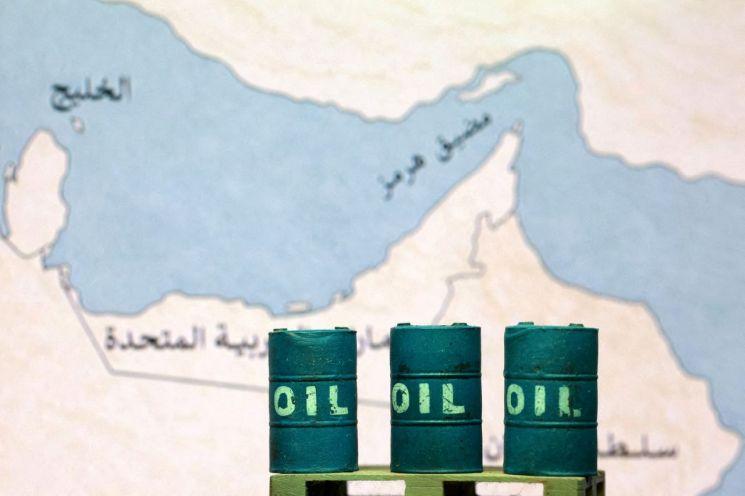
Japanese-Owned Idemitsu Maru Tanker Transits Strait of Hormuz With Iranian Permission
17 sources compared