
Iran Delivers New Peace Proposal to U.S. via Pakistan as Trump Says He’s Not Satisfied
Key Takeaways
- Iran delivered a new proposal for peace talks with the United States via Pakistani mediators.
- Trump said he was not satisfied with Iran's latest proposal.
- Pakistan continues mediating and maintaining open channels with US and Iran.
New Proposal, Old Standoff
Iran has delivered a new proposal for peace talks with the United States via Pakistan, as negotiations remain frozen despite a ceasefire that has held since early April.
“Iran submits new proposal for US peace talks via Pakistani mediators -- report [](https://subscribe”
CBS News reports that “Iran has offered a new proposal for a second round of peace talks with the U.S.” after the Trump administration rejected a previous offer that would have delayed negotiations over Iran’s nuclear program.

The Guardian likewise says Iran “has passed a new proposal to Pakistani mediators in the latest effort to end the war with the US, but Donald Trump said he was not ‘satisfied’ by it.”
In Washington, Trump told reporters, “Right now, we have talks going on, they’re not getting there,” and said his options remained “either blast them away or make a deal.”
The New York Times reports that Iran sent its latest proposal in negotiations to end the war, but that “hours later in Washington President Trump said, ‘They want to make a deal, but I’m not satisfied with it.’”
The New York Times adds that Iran’s state news agency said the proposal was sent to Pakistani mediators on Thursday evening, while CNN and other outlets describe the same handoff timing.
Across the accounts, the proposal’s contents are described as unclear or not immediately detailed, but the diplomatic channel—Pakistan as mediator—appears consistent from Tehran to Washington.
Ceasefire, Blockade, and the Strait
While diplomacy proceeds through Pakistan, the conflict’s leverage points remain the Strait of Hormuz and the naval blockade described in multiple reports.
The New York Times says that since shortly after the U.S.-Israeli war on Iran began on Feb. 28, Iran has effectively closed the Strait of Hormuz, and that “Since a cease-fire began last month, the United States has blocked shipping to and from Iran through the strait.”

CNN similarly frames the standoff as a ceasefire with no direct fire, while the United States seeks to enforce a blockade and Iran restricts passage.
CBS News describes that “Since then, the two sides have not exchanged direct fire, though the U.S. has sought to enforce a blockade on Iranian ports and Iran has prevented ships from traversing the Strait of Hormuz.”
The Guardian adds that both sides maintain blockades around the strait, stating that “Washington was considering returning to war” even as the ceasefire continues.
The New York Times also reports that the latest Iranian proposal removes a previous condition requiring Trump to lift the sea blockade before face-to-face talks, and that the proposal offers “more flexibility on the sequencing of steps,” including Iran being willing to first open the Strait of Hormuz followed by the U.S. announcing the blockade was ending.
Across these accounts, the ceasefire’s hold does not end the pressure campaign; instead, it shifts the contest to maritime access and sequencing in negotiations.
Trump, War Powers, and Threats
The new proposal arrives as Trump’s public posture toward the war remains combative and legally contested, with multiple outlets describing both his dissatisfaction and his constitutional argument.
CBS News says Trump argued again Friday that the U.S. has “already won” the war and that he was “not satisfied” with the new Iranian deal, while also warning that he wants to “win by a bigger margin” and ensure Iran can never attain a nuclear weapon.
CNN reports that Trump called a law limiting the use of force without congressional authorization “totally unconstitutional,” while in a letter to congressional leaders he argued that “hostilities” have terminated after a ceasefire was declared.
CBS News provides the specific claim in Trump’s letters: “There has been no exchange of fire between the United States Forces and Iran since April 7, 2026,” and that “The hostilities that began on February 28, 2026 have terminated.”
The Guardian similarly describes Trump waving off a Friday deadline imposed by the war powers act, requiring congressional authorization beyond 60 days, and says Trump claimed the White House did not need approval because the ceasefire paused the 60-day clock.
In response, Schumer rejected Trump’s view that hostilities with Iran are over, writing on X, “That’s bulls***,” and saying “This is an illegal war and every day Republicans remain complicit and allow it to continue is another day lives are endangered, chaos erupts, and prices increase, all while Americans foot the bill.”
CBS News also includes a warning from a senior Iranian commander that any new U.S. attacks will draw “sustained, wide-ranging, and painful retaliation.”
What Iran’s Plan Changes
Several reports describe specific features of Iran’s latest proposal, even as others emphasize that the contents were not immediately clear.
The New York Times reports that “Two senior Iranian officials said the new proposal removes a previous condition Iran had set that Mr. Trump must first lift the sea blockade against Iran for negotiators to meet face to face.”

Those officials also said the proposal offers “more flexibility on the sequencing of steps,” with Iran willing to first open the Strait of Hormuz followed by the U.S. announcing the blockade was ending.
The New York Times further says the proposal still calls for nuclear negotiations to be postponed for a second phase of talks, after a permanent cease-fire was reached.
The New York Times contrasts this with Iran’s earlier proposal, which included reopening the Strait of Hormuz, ending the U.S. blockade, and postponing nuclear negotiations, and says Trump was dissatisfied because he wanted to address the nuclear program.
The Guardian similarly notes that Trump said “They’re asking for things I can’t agree to,” and that he did not elaborate on what he saw as the latest proposal’s shortcomings.
Qazinform and Xinhua both report that Iran delivered its latest proposal for negotiations to Pakistan, with Qazinform stating the text was handed to Pakistan on Thursday evening and that negotiations mediated by Pakistan in Islamabad on April 11 ended without an agreement.
Diplomacy’s Next Moves
The sources portray a diplomatic process that depends on Pakistan’s mediation while the legal and political pressure on Washington continues to mount.
“What to know about the Iran war today: - Iran has offered a new proposal for a second round of peace talks with the U”
The Guardian says Tehran and Washington have said Pakistan remains the primary conduit for negotiation, and it describes Pakistan’s role shifting from an earlier back-channel to “passing messages between the two sides after the momentum behind direct talks stalled.”

It also reports that Islamabad has said it believes a deal is within reach, while Pakistan’s former ambassador to the US, Masood Khan, said Pakistan’s intervention led to an initial two-week ceasefire and the US-Iran meeting with Pakistani officials as referees.
The Guardian adds that Pakistan’s military chief, Field Marshal Asim Munir, spent three days in Tehran in April, meeting Iran’s different power centres, while prime minister Shehbaz Sharif worked on regional support by visiting Saudi Arabia, Qatar and Turkey.
The Guardian also quotes Tahir Andrabi, the spokesperson for Pakistan’s foreign ministry, saying, “The clock on diplomacy has not stopped,” before reports of the new Iranian proposal.
Meanwhile, CBS News and CNN emphasize that Trump is weighing his next move, with CBS News saying he suggested military strikes could resume if Iran doesn’t strike a deal.
In Iran, the negotiation posture is described through statements by judiciary chief Gholamhossein Mohseni Ejei, who said “the Islamic Republic has never shied away from negotiations” and that “we certainly do not accept imposition,” while also saying “We do not welcome war in any way; we do not want war, we do not want its continuation.”
More on Iran
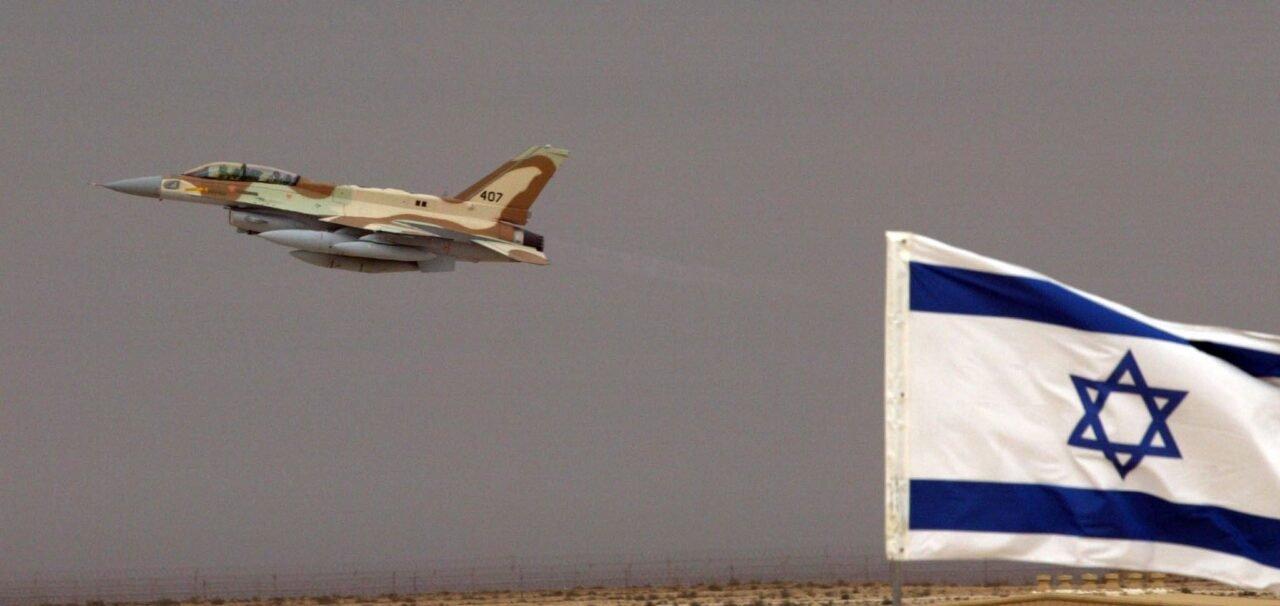
Israel Air Force Commander Tomer Bar Warns No Iran Nuclear Deal Would Be Major Failure
12 sources compared

Narges Mohammadi Rushed To Hospital In Zanjan After Losing Consciousness Twice In Custody
11 sources compared
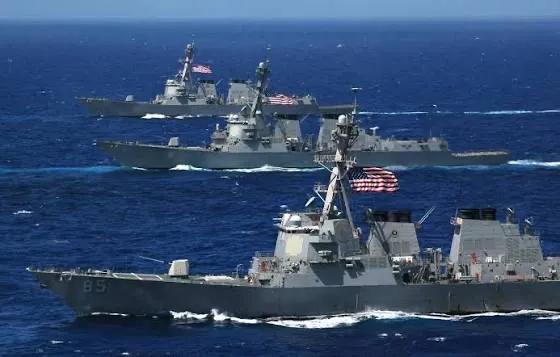
U.S. Navy Awards Domino Data Lab Nearly $100 Million to Detect Iranian Mines in Strait of Hormuz
10 sources compared
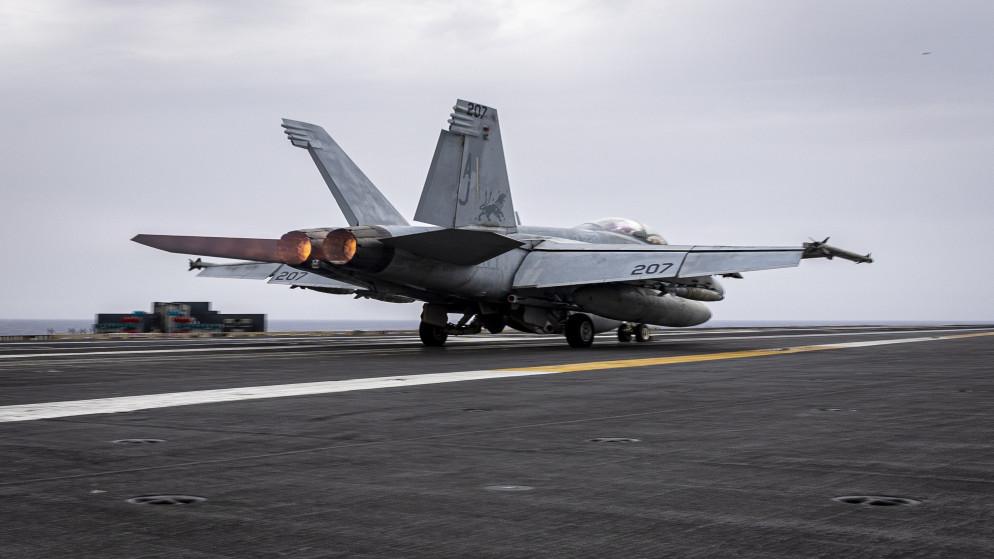
Trump Tells Congress Iran Hostilities Have Terminated Ahead of May 1 War Powers Deadline
20 sources compared