Full Analysis Summary
Iran's nuclear talks conditions
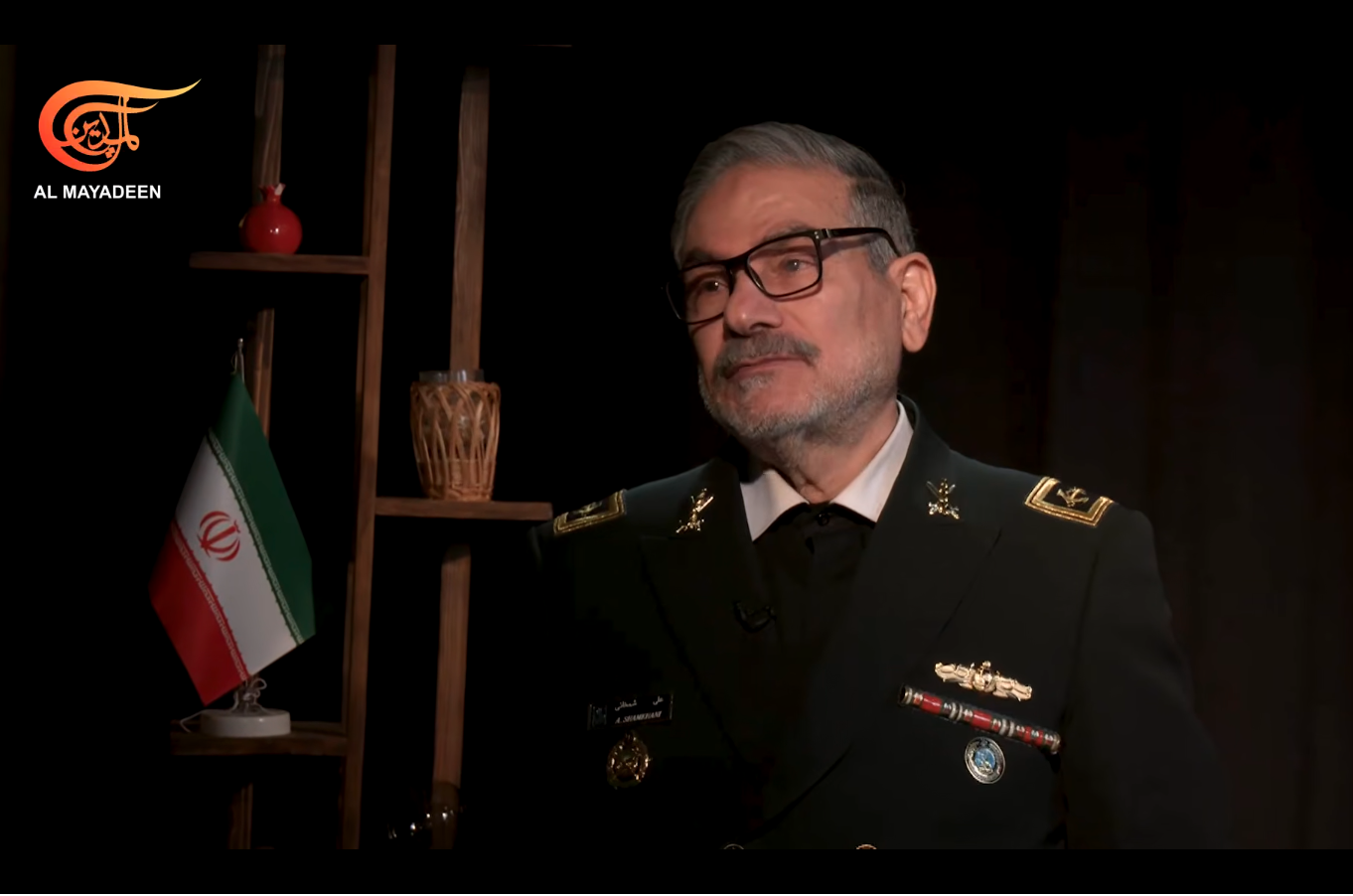
Iranian official Admiral Ali Shamkhani said future nuclear talks with the United States depend on a de‑escalatory environment and narrowly focused agendas.
He told Lebanon’s Al‑Mayadeen that negotiations would only be productive if held away from an atmosphere of threats and illogical demands.
Shamkhani argued talks should be limited to the nuclear file and that indirect talks should precede any direct meetings.
He said direct talks could follow quickly if an understanding is reached, underscoring Tehran’s insistence on procedural safeguards before opening direct contacts with Washington.
Coverage Differences
Limited source set / No cross‑source comparison possible
Only PressTV (West Asian) material was provided. There are no other sources (Western Mainstream or Western Alternative) in the material set to compare perspectives, tone, or factual emphasis. Therefore, no contradictions or contrasts across multiple source types can be established from the provided documents; the paragraph reflects PressTV’s own reporting of Shamkhani’s statements (PressTV reports/quotes Shamkhani to Al‑Mayadeen).
Iran nuclear program stance
On technical and programmatic issues, Shamkhani rejected sending Iran's enriched uranium abroad and described Iran's nuclear program as peaceful and domestically controlled.
He offered a conditional concession that 60% enrichment could be reduced to 20% if Iran received something in return.
He noted practical complications in assessing Iran's stockpile because part lies under rubble from June US-Israeli strikes and is currently too dangerous to recover.
The IAEA is working with Tehran to estimate the remaining amounts.
Coverage Differences
Limited source set / No cross‑source comparison possible
Only PressTV material is available to explain Iran’s technical claims; no alternative reporting is present to corroborate or challenge Shamkhani’s rejection of stockpile transfers or his conditional offer on enrichment levels. The paragraph reports PressTV’s quotes and reported facts without cross‑source verification.
Iran unrest and US ties
Shamkhani linked internal unrest in Iran to external interference and accused the United States of backing an alternative plan of armed opposition.
According to PressTV, he described recent violent riots and coordinated attacks on security centers as part of a US "Plan B" and said Washington was supporting armed groups after President Trump's warnings.
He disputed some higher Western casualty claims while citing official Iranian figures of 3,117 dead.
These allegations frame Tehran's security concerns as intertwined with its diplomatic posture toward Washington.
Coverage Differences
Limited source set / No cross‑source comparison possible
Because only PressTV’s reporting is provided, this paragraph cannot be compared to alternative accounts that might confirm, dispute, or contextualize Shamkhani’s claim that the unrest was part of a US‑backed ‘Plan B.’ The paragraph therefore reports PressTV’s accounts and Shamkhani’s accusations as presented in that source.
Iranian deterrent posture
Beyond diplomacy and domestic security, Shamkhani issued a harder regional warning that Iran's doctrine has moved away from 'strategic patience'.
He said Iranian retaliation to any US aggression 'would not be confined to Iran's borders' and warned of immediate retaliation that could target Israel.
He also invoked Ayatollah Khamenei's fatwa banning weapons of mass destruction as a constraint on any nuclear weapons program.
These elements combine a deterrent posture with religious and legal justifications for limits on WMD development.
Coverage Differences
Limited source set / No cross‑source comparison possible
With only PressTV’s report available, this paragraph cannot be contrasted with alternative international assessments of Iran’s doctrinal shift, the credibility of the retaliation claims, or the interpretation of Khamenei’s fatwa. The paragraph therefore reflects PressTV’s portrayal of Shamkhani’s warnings and cited legal-religious constraints.
Iranian stance and limits
PressTV’s report presents a firm Iranian stance linking diplomatic preconditions, a denial of stockpile transfers, domestic security narratives that blame US interference, and a willingness to respond beyond Iran’s borders.
However, the report cites no other sources to corroborate casualty counts, the allegation of US support for armed groups, or the claim of a doctrinal shift.
Consequently, the broader significance of Shamkhani’s warnings — including whether they amount to a concrete demand for US warships to withdraw from the region — is unclear and would require additional reporting from multiple source types to validate.
Coverage Differences
Missing information / Need for corroboration
PressTV provides a single perspective. Because there are no Western Mainstream or Western Alternative sources in the provided dataset, this paragraph emphasizes that important corroborating information (e.g., independent casualty verification, US responses, explicit demands about naval deployments) is missing and cannot be supplied from the available material.