
Iran Denies Blame For Damage To South Korean Ship In Strait Of Hormuz
Key Takeaways
- Iran denies involvement in the South Korea ship incident.
- President Masud Pezeshkian says he met Supreme Leader Khamenei; offered few details.
- The meeting lasted about 2.5 hours.
Ship incident denial
Iran denied involvement in an incident that damaged a South Korean ship in the Strait of Hormuz, with Tehran’s embassy in Seoul saying that safe passage requires "coordination with the competent authorities of the Islamic Republic of Iran" and that ignoring the conditions "may lead to unwanted incidents."
“The husband of Iran’s imprisoned human rights activist Narges Mohammadi is speaking out after her hospitalization for severe medical problems”
On May 4, an explosion and fire occurred on a South Korean-operated cargo ship called the HMM Namu in the Strait of Hormuz, and a South Korean presidential national-security adviser said it was not yet clear whether the fire was caused by an attack or a technical malfunction.
The adviser said the fire started in the engine room and none of the ship's 24 crew members were injured.
The US has blamed Iran for the incident, with President Donald Trump saying that Iran fired shots at the vessel.
Leadership and diplomacy
Iran’s President Masud Pezeshkian said that he recently met and had a detailed conversation with Supreme Leader Mojtaba Khamenei, speaking at Iran's Health Ministry on May 7 and saying he met Khamenei for 2 1/2 hours.
Pezeshkian said the supreme leader was a "model for the country's management and administrative system" due to his "sincerity and humility."
The article also notes that after the assassination of former Supreme Leader Ali Khamenei on February 28, the Assembly of Experts named his son Mojtaba as the new leader, but there have been no public appearances, images, or audio from the supreme leader since then.
In a separate diplomatic thread, US Secretary of State Marco Rubio was set to meet with Pope Leo XIV at the Vatican on May 7 amid tensions over the Iran war, while Trump urged the Iranian regime to negotiate and reconcile "whenever Iran is ready."
Rights, strikes, and stakes
Iran’s Ministry of Defense spokesperson Brigadier General Reza Talaei-Nik told reporters that the United States and the Israeli regime must recognize the rights of the Iranian nation to pave the way for putting an end to the war against the Islamic Republic.
“Iranian President Says He Recently Met Supreme Leader Iranian President Masud Pezeshkian has said that he recently met and had a detailed conversation with Supreme Leader Mojtaba Khamenei”
He warned that the US cannot get out of the "quagmire it is stuck in" if it refrains from accepting the rights of the Iranian nation and refuses to distance itself from the “evil and criminal” Israeli regime.
The same article says Iran’s Armed Forces responded with 100 waves of retaliatory strikes under Operation True Promise 4, launching hundreds of ballistic and hypersonic missiles, as well as drones, against American military bases across West Asia and Israeli positions throughout the occupied territories.
It adds that Iran ruled out returning to the negotiation table unless the blockade was lifted, and Foreign Ministry spokesman Esmail Baghaei said genuine negotiation requires good faith, not "dictation or extortion."
More on Iran
U.S. Fires on Iranian-Flagged Tankers in Strait of Hormuz After Exchanging Fire
11 sources compared
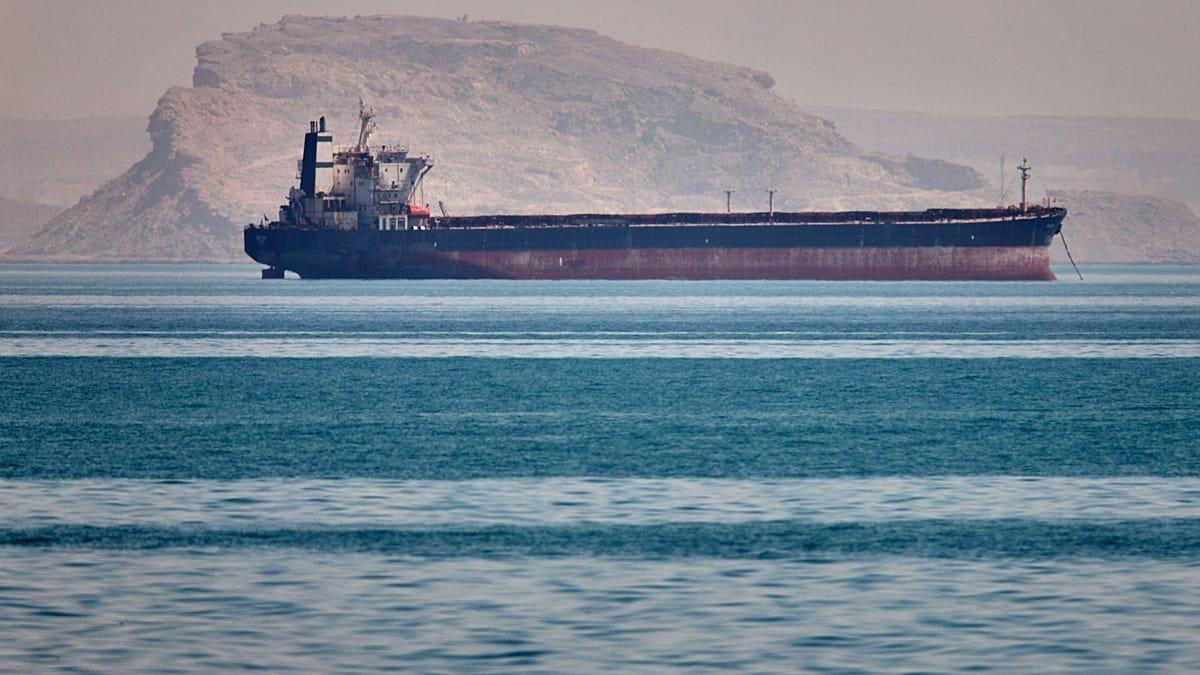
U.S. Fires on Two Iranian-Flagged Tankers Near Strait of Hormuz, Trump Expects Iran Response
17 sources compared
Iran Retaliates After U.S. Attacks Vessels Near Strait of Hormuz, Trump Warns Of More Strikes
18 sources compared
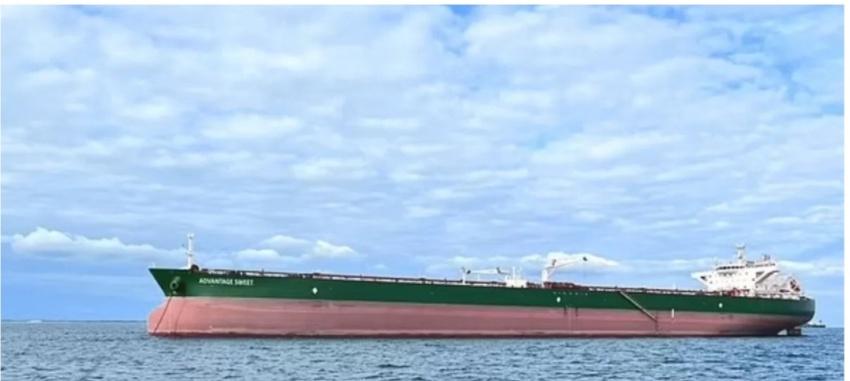
IRGC Navy Seizes Ocean Koi Tanker in Gulf of Oman, U.S. Disables Two Tankers
15 sources compared