
Iran Denies Targeting Diego Garcia Base With Missiles Amid Conflicting Reports
Key Takeaways
- Iran fired two ballistic missiles at the US-UK Diego Garcia base in the Indian Ocean.
- One missile failed in flight; other was intercepted by US Navy SM-3 at Diego Garcia.
- Iran denies responsibility, calling the claims Israeli false flag.
Iranian Denial
Iran has categorically denied allegations that it fired missiles at the joint US-UK military base on Diego Garcia in the Indian Ocean.
“en EnglishUnited States Deutsch English Español Français Italiano العربية All languages Afrikaans azərbaycan bosanski català Čeština Cymraeg Dansk Deutsch eesti EnglishUnited Kingdom EspañolEspaña EspañolLatinoamérica euskara Filipino FrançaisCanada FrançaisFrance Gaeilge galego Hrvatski Indonesia isiZulu íslenska Italiano Kiswahili latviešu lietuvių magyar Melayu Nederlands norsk o‘zbek polski PortuguêsBrasil PortuguêsPortugal română shqip Slovenčina slovenščina srpski (latinica) Suomi Svenska Tiếng Việt Türkçe Ελληνικά беларуская български кыргызча қазақ тілі македонски монгол Русский српски Українська ქართული հայերեն עברית اردو العربية فارسی አማርኛ नेपाली मराठी हिन्दी অসমীয়া বাংলা ਪੰਜਾਬੀ ગુજરાતી ଓଡ଼ିଆ தமிழ் తెలుగు ಕನ್ನಡ മലയാളം සිංහල ไทย ລາວ မြန်မာ ខ្មែរ 한국어 日本語 简体中文 繁體中文 繁體中文香港 Sign in Sign in”
Iranian Foreign Ministry spokesman Esmaeil Baqaei dismissed the claims as an 'Israeli false flag' operation lacking credibility.

The denial comes amid intense international scrutiny and conflicting reports about the incident, which was widely reported by Western media outlets.
Baqaei stated that recent accusations reflected a pattern of 'disinformation' and pointed to NATO Secretary General Mark Rutte declining to endorse Israel's claims as evidence of global skepticism toward such narratives.
Iranian authorities have consistently rejected responsibility for several incidents throughout the ongoing conflict, maintaining that Western and Israeli officials frequently accuse Iran of attacks it did not carry out.
Western Reports
Despite Tehran's denial, multiple Western mainstream and Israeli media outlets reported that Iran fired two intermediate-range ballistic missiles toward Diego Garcia, with neither striking the target.
The Wall Street Journal, citing US officials, reported that one missile failed in flight while the other was intercepted by a US warship using an SM-3 interceptor system, though it remained unclear if the missile was successfully destroyed.
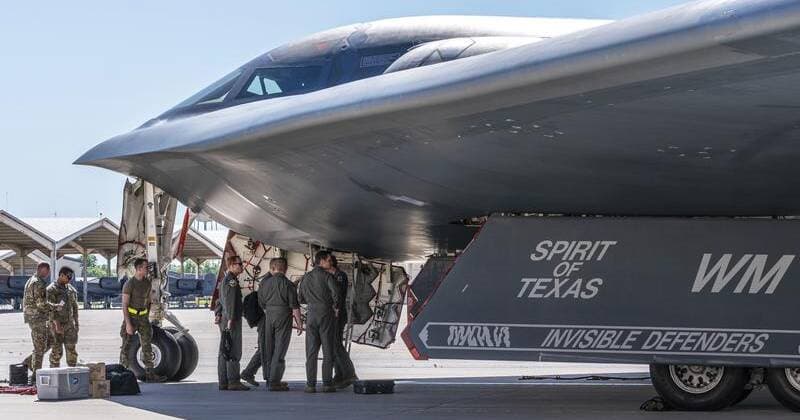
The attack reportedly occurred on Friday morning, March 20, 2026, before the UK government announced it would allow the US to use British bases for operations targeting Iranian sites.
CNN described Diego Garcia as a 'crucial overseas US military staging post for operations far from home and a key airfield for the US military's heavy bomber fleet,' while The Times of Israel noted the base is located about 2,500 miles (4,000 kilometers) from Iran, well beyond the range Tehran had previously acknowledged for its missiles.
Mixed Iranian Messaging
Iran's semi-official media took a different approach than the government's outright denial, with Mehr News Agency confirming the attempted strike while framing it as a demonstration of military capability.
The agency described the targeting of Diego Garcia as a 'significant step' that 'shows that the range of Iran's missiles is beyond what the enemy previously imagined.'
This messaging suggests Iran may be attempting to balance between maintaining plausible deniability for the attack while simultaneously showcasing its expanded reach to domestic and regional audiences.
The conflicting narratives from Iranian sources - outright denial from the Foreign Ministry versus implicit acknowledgment from state media - create ambiguity that may serve Tehran's strategic interests in the ongoing conflict.
Meanwhile, Iranian Foreign Minister Abbas Araghchi had previously stated that Iran had deliberately limited its missile range to 2,000 kilometers, making the reported 4,000km strike a significant potential escalation of capabilities.
International Response
The international community has responded to the conflicting reports with varied positions, reflecting broader geopolitical divisions in the ongoing Middle East conflict.
British officials condemned what they described as 'Iran's reckless attacks' and confirmed the unsuccessful targeting of Diego Garcia, while UK Housing Secretary Steve Reed told the BBC there was 'no assessment to substantiate' Israel's assertion that Iran possesses missiles capable of striking London.
In contrast, US President Donald Trump criticized the UK's response as 'very late' and lamented that 'they should have acted faster.'
The incident has also drawn attention to the strategic importance of Diego Garcia, which the US has described as 'an all but indispensable platform' for security operations in the Middle East, South Asia and East Africa.
The base, home to about 2,500 mostly American personnel, has supported US military operations from Vietnam to Iraq and Afghanistan, and its targeting represents a significant escalation in the geographic scope of the conflict beyond the immediate Middle East theater.
Technical Analysis
Technical analysts and military experts have raised questions about Iran's true missile capabilities in light of the Diego Garcia incident, despite the failed outcome.
“Although one missile was intercepted and the other failed in flight, the attack last week on the isolated Indian Ocean base has brought the threat of the conflict deep into Europe’s heart”
The distance of approximately 4,000 kilometers from Iran to Diego Garcia far exceeds the 2,000-kilometer limit that Iranian Foreign Minister Abbas Araghchi claimed Tehran had deliberately imposed on its missiles in early March.
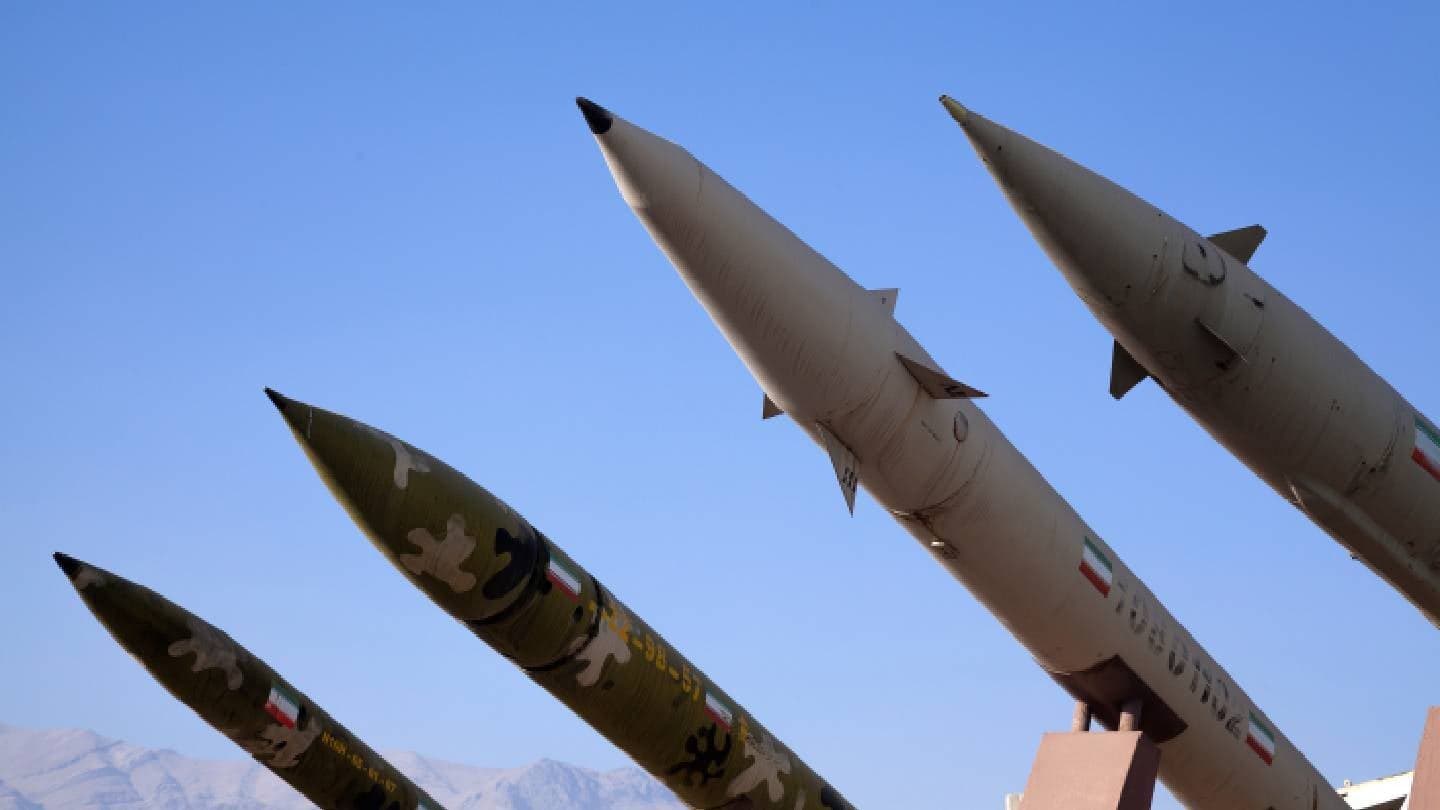
Military analysts suggest several potential explanations for the failed strike, including intentional targeting inaccuracies to demonstrate capability without seeking catastrophic impact, technical failures in guidance systems, or potential interception by undisclosed base defenses.
Some experts believe Iran may have used its space launch vehicle technology to achieve the extended range, though with reduced accuracy.
The attempted strike has forced Western defense circles to confront significant intelligence gaps regarding Iran's true capabilities, with analysts suggesting that Tehran may have mastered fuel-efficiency improvements and guidance refinement that Western agencies underestimated for years.
More on Iran

President Trump delays strikes on Iran power plants for five days amid conflicting reports.
41 sources compared

Trump Extends Deadline to Reopen Strait of Hormuz, Delays Strikes on Iranian Power Plants.
27 sources compared
Trump Says Talks With Iran Ongoing; Iran Denies Negotiations.
15 sources compared

Iran Threatens to Close Strait of Hormuz, Hit Power Plants After Trump's Ultimatum
41 sources compared