
Trump Extends Deadline to Reopen Strait of Hormuz, Delays Strikes on Iranian Power Plants.
Key Takeaways
- Five-day pause on planned strikes against Iran's power plants and energy infrastructure.
- Trump says talks with Iran are productive and a war-ending deal is possible.
- Deadline to reopen the Strait of Hormuz extended by five days.
Deadline Extension
President Trump extended his 48-hour deadline for Iran to reopen the Strait of Hormuz by five days, announcing the delay on his Truth Social platform.
“intent on reaching deal with Iran - Global Times WORLD / AMERICAS Trump says U”
The extension came approximately 12 hours before the original deadline was set to expire, representing the latest in a series of contradictory pronouncements from the Trump administration.
Iran's state television immediately portrayed the move as American retreat, displaying a graphic claiming 'U.S. president backs down following Iran's firm warning.'
Iranian officials maintained that no negotiations were actually taking place with the United States.
Oman's foreign minister confirmed his country was working to secure safe transit through the vital shipping lane.
The foreign minister emphasized that 'whatever your view of Iran, this war is not of their making,' and highlighted the widespread economic consequences.
Diplomatic Disagreement
The Trump administration's mixed signals about the ongoing Iran conflict have raised significant questions about the administration's strategy.
Multiple sources have documented how the president 'sometimes contradicts himself in the same speech, social media post or even sentence,' creating confusion about U.S. intentions.

While Trump claimed the U.S. and Iran had held 'very good and productive conversations' that could yield 'a complete and total resolution,' Iranian officials vehemently denied any negotiations were occurring.
The Iranian Ministry of Foreign Affairs characterized Trump's statement as 'part of an effort to reduce energy prices and to buy time for implementing his military plans.'
Iranian officials emphasized that 'we are not the party that started this war' and directed all peace initiatives toward Washington.
Humanitarian Impact
The ongoing conflict has resulted in catastrophic humanitarian consequences and severe economic disruption across the region.
“DUBAI, United Arab Emirates — U”
According to Iranian authorities, the war has displaced 3.2 million people within Iran and 1 million in Lebanon.
Iran's health ministry claims the death toll has surpassed 1,500 people after three weeks of fighting.
The Christian Science Monitor reported that the conflict has killed more than 2,000 people overall, with over 1,000 deaths in Lebanon attributed to Israeli strikes.
Only 15 people were killed in Israeli territory by Iranian attacks during the same period.
The closure of the Strait of Hormuz—the through which a fifth of the world's oil is shipped—has created havoc in energy markets.
International Energy Agency head Fatih Birol warned that 'no country will be immune to the effects of this crisis if it continues to go in this direction.'
International Positioning
As the deadline extension unfolds, regional and international actors are positioning themselves to influence the trajectory of the conflict.
China's Middle East envoy, Zhai Jun, directly blamed the U.S. and Israel for starting the war, stating 'We all know who started this war.'
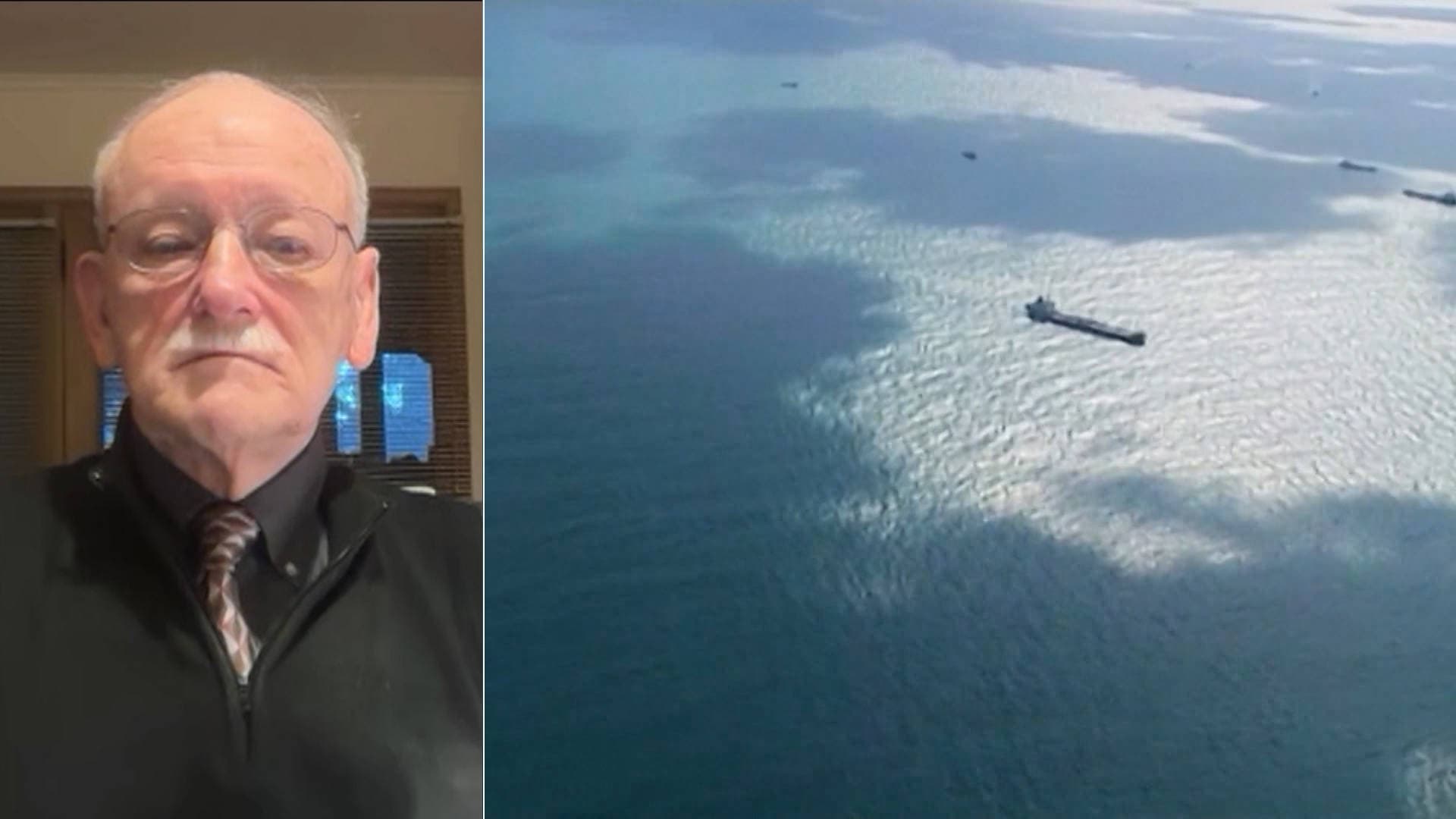
China's envoy repeated his government's call for immediate cessation of military actions and a return to negotiations.
Turkey has emerged as a potential intermediary, with Iranian Foreign Minister Abbas Araghchi confirming he had spoken by phone with his Turkish counterpart Hakan Fidan.
The Trump administration has positioned 4,500 U.S. Marines in the region, with plans for potential military action if negotiations fail.
Iran has threatened to retaliate against any U.S. strikes by targeting power plants across the Middle East and mining the Persian Gulf.
Iranian parliament speaker Mohammad Bagher Qalibaf warned that vital infrastructure across the region would be considered legitimate targets if the conflict escalates.
More on USA
RNC bid to disqualify late-arriving mail ballots goes before Supreme Court
19 sources compared

Supreme Court Leans Toward GOP Push to Limit Mail-In Ballots
41 sources compared

Adam Schiff and John Curtis introduce bipartisan bill banning sports wagering on Kalshi and Polymarket.
25 sources compared

US State Department Warns Americans Worldwide of Possible Attacks Amid War With Iran
14 sources compared