Iran Destroys Four US THAAD Radars, Including Radar at Jordan's Muwaffaq Salti Air Base
Key Takeaways
- Iran's military says it destroyed four advanced US THAAD radars
- One destroyed radar was at Jordan's Muwaffaq Salti Air Base
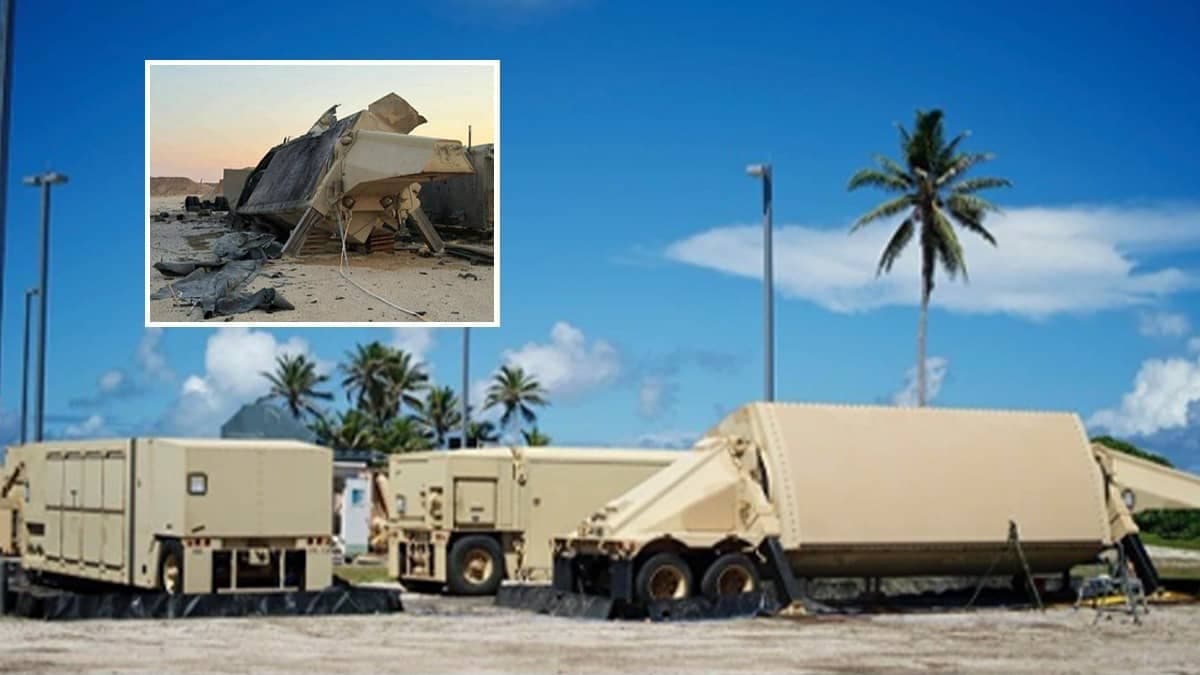
- Satellite images show five-trailer radar wreckage and multiple 13-foot craters at the Jordan site
THAAD radar strike in Jordan
Iran has claimed responsibility for a precision strike that destroyed a US AN/TPY-2 THAAD radar at Jordan’s Muwaffaq Salti Air Base.
Commercial satellite imagery dated March 2, 2026 and US officials confirmed the loss, reporting multiple ~13-ft craters, charred debris, and a ruined multi-trailer radar setup at the site.

Republic World described the attack as one of several strikes on THAAD-related radar sites across the Gulf.
Iran’s state media framed the operations as part of a broader campaign degrading enemy early-warning capabilities.
AN/TPY-2 radar strike
The destroyed radar was identified as an AN/TPY-2 X-band phased-array.
It was described as the high-resolution "eye" of a THAAD battery.
Republic World noted it is made by RTX and carries an estimated replacement value of about $300 million.
The radar can operate in long-range forward mode (detection out to ~3,000 km) or terminal/fire-control mode.
Iranian outlets framed the strikes as striking at the technical backbone of early-warning and interception systems, saying they had "destroyed advanced US radar/THAAD interceptors."
Strategic implications of strikes
Analysts and reporting pointed to strategic and operational implications of the strikes.
Republic World described the strikes as "one of Iran’s most significant tactical successes," warned they create "dangerous gaps in regional air and missile defenses," and said they represent a major escalation in the wider US‑Israel vs. Iran confrontation.
The outlet also emphasised that the US has a limited number of THAAD batteries worldwide, so the loss of a radar has an outsized operational impact.
Iran’s reporting claimed casualties among US forces and framed the operations as targeting the roots of US presence in the region.
Iran's March 9 claims
Iran’s state media and official dispatches on March 9 aggregated multiple claims beyond the Jordan attack that painted a wider campaign, with Mehr News Agency listing reported strikes, the shooting down of 13 drones, the launch of Khorramshahr-4 missiles toward Tel Aviv, and assertions that the IRGC targeted Israeli Prime Minister Netanyahu’s office and ordered evacuations.
The Iranian dispatch framed these moves as part of broader regional dynamics with international repercussions, noting diplomatic threads such as Iran-Armenia talks and Iran-US nuclear negotiations, warnings from China about potential wider war, and market effects including rising oil prices and falling stocks.
Reporting dates and claims
Timing and verification remain important caveats: Republic World’s update notes the imagery is dated March 2 and the article was updated March 7, while Mehr News Agency’s dispatch carries a March 9 date and explicitly presents most items as official Iranian statements and claims.
Where reporting overlaps, it corroborates that a high‑value AN/TPY‑2 radar at Muwaffaq Salti Air Base was struck; where claims extend to other strikes, drone shootdowns, and casualties among foreign forces, those elements are reported by Iranian state outlets and framed as official assertions rather than independently verified facts in the provided material.
More on Iran
US obliterates military targets on Iran’s Kharg Island, Trump warns
13 sources compared

US Deploys About 2,500 Marines to Middle East After Iran Attacks Gulf Shipping
33 sources compared
FBI Warns of Iranian Drone Plot Based on Unverified Tip; California Says No Credible Threat
10 sources compared

White House Demands ABC Retract Report Claiming Iran Sought To Launch Drone Attacks On California
11 sources compared