Full Analysis Summary
Iran-US nuclear talks
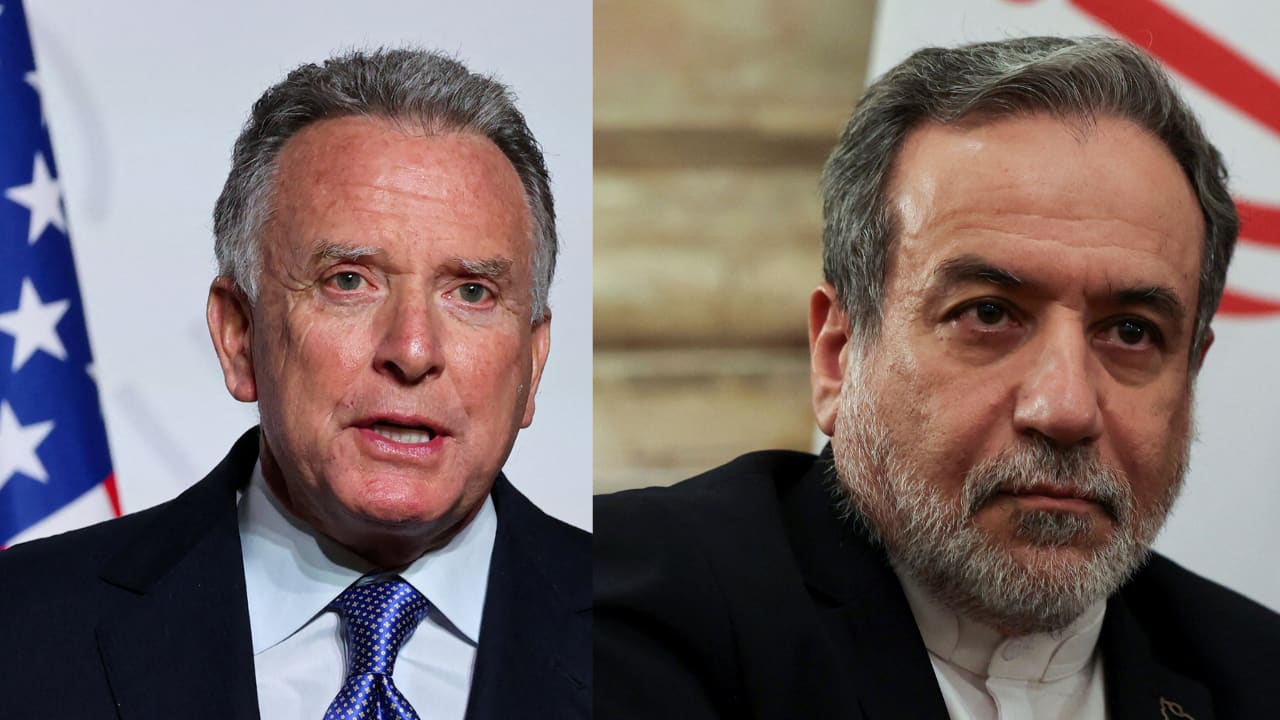
Iran has reportedly sent Foreign Minister Abbas Araghchi to Istanbul to hold talks with U.S. Middle East Special Envoy Steve Witkoff about a possible nuclear deal, though officials emphasize nothing is finalized.
The Jerusalem Post reports that US and Iranian officials are set to meet in Istanbul on Friday to discuss a possible nuclear deal.
Two sources told Axios the planned meeting would involve the Trump administration's special envoy Steve Witkoff and Iran's foreign minister Abbas Araghchi.
A US official later told Reuters the meeting is intended to 'hear what they have to say'.
Al Jazeera says talks between Iran and the United States could take place in the coming days while noting Washington has not confirmed Witkoff's participation and a White House spokeswoman declined to comment.
The Hindustan Times records US President Trump as remaining hopeful the two countries could 'make a deal,' underscoring both the diplomatic opening and continuing uncertainty.
Coverage Differences
Tone and confirmation
Jerusalem Post (Israeli) frames the story around specific reporting of participants and a U.S. official’s intent to “hear what they have to say,” presenting the plan as actionable but not final; Al-Jazeera (West Asian) emphasizes uncertainty and lack of U.S. confirmation, explicitly noting a White House non‑confirmation; Hindustan Times (Asian) frames the development as part of a possible de‑escalation with President Trump expressing hope to “make a deal.” Each source is reporting on the same reported meeting but differs on emphasis: Jerusalem Post foregrounds names and a quoted U.S. remark, Al-Jazeera foregrounds diplomatic caveats, and Hindustan Times foregrounds political framing by leaders.
Iran's mixed response
Within Iran the response mixes diplomatic outreach with uncompromising military rhetoric.
The Jerusalem Post records strong statements from IRGC‑linked Tasnim and senior commanders: Major‑General Abdolrahim Mousavi warned a U.S. strike would prompt a "decisive, crushing, regret‑inducing" response and declared "no American would be safe," and parliamentary and IRGC aerospace spokesmen signalled their "war room" was active.
Al-Jazeera reports Iranian diplomatic sources denying that moving enriched uranium out of the country was discussed during a recent Qatari visit, showing Tehran’s effort to manage specific proliferation claims even as it contemplates talks.
Hindustan Times notes Supreme Leader Khamenei’s warning that any war "would become regional" while characterizing the dispatch and statements as part of a move that "signalled a de‑escalation," illustrating contrasting domestic signals of deterrence and diplomacy.
Coverage Differences
Militarized rhetoric vs. damage‑control reporting
The Jerusalem Post (Israeli) highlights hardline military warnings from IRGC and commanders with quoted threats such as ‘no American would be safe,’ emphasizing security risk; Al-Jazeera (West Asian) includes Tehran’s diplomatic denials about uranium movement, which focuses on limiting escalation on a proliferation question; Hindustan Times (Asian) frames Khamenei’s warning as part of a broader move that ‘signalled a de‑escalation.’ The sources thus diverge between emphasizing public threats (Jerusalem Post), official denials and regional management (Al‑Jazeera), and political framing of de‑escalation amid warnings (Hindustan Times).
Regional mediation efforts
Al-Jazeera names Turkey (and possibly Foreign Minister Hakan Fidan), Qatar and Egypt as potential hosts or intermediaries for talks.
It also reports Araghchi held recent phone talks with Egypt, Saudi Arabia and Turkey as part of containment efforts.
The Jerusalem Post highlights signals from inside Iran, including senior lawmaker Alaeddin Boroujerdi saying Iran will not negotiate its nuclear, missile or drone capabilities, calling them red lines.
U.S. domestic voices, such as Senator Tom Cotton, reiterate that Iran must not be allowed to obtain a nuclear weapon.
Hindustan Times notes that Araghchi said Tehran no longer trusts the U.S. as a negotiating partner but would keep talks open if a U.S. team pursued a fair and equitable deal, underscoring regional mediation amid deep mutual mistrust.
Coverage Differences
Mediation emphasis vs. domestic red lines and mistrust
Al‑Jazeera (West Asian) stresses regional actors and mediation options — naming Turkey, Qatar and Egypt and reporting Araghchi’s outreach to regional FMs — while The Jerusalem Post (Israeli) foregrounds Iran’s internal red lines and U.S. political insistence against a nuclear Iran; Hindustan Times (Asian) highlights Tehran’s stated mistrust of U.S. negotiators but willingness to return if a “fair and equitable” offer is made. Thus, Al‑Jazeera emphasizes external facilitation, Jerusalem Post emphasizes non‑negotiable Iranian capabilities and U.S. hardline voices, and Hindustan Times emphasizes the fragile diplomatic opening contingent on perceived fairness.
Regional escalation and unrest
Reporting points to real risks of escalation even as talks are mooted.
The Jerusalem Post highlights IRGC readiness and warnings, with commanders saying the "war room" is active and Mousavi issuing stark threats.
Al-Jazeera cites a Wall Street Journal report that U.S. officials said President Trump requested options for an attack on Iran intended to avoid long-term regional risk.
Hindustan Times places the bilateral tensions in the context of recent internal unrest in Iran, noting anti-government protests beginning December 28, 2025 and that "thousands were reportedly killed in a crackdown," which U.S. warnings had responded to, linking domestic turmoil to regional risk.
Coverage Differences
Escalation risk framing and causal context
Jerusalem Post (Israeli) emphasizes Iranian military readiness and warnings from commanders; Al‑Jazeera (West Asian) adds reporting that the U.S. sought military options (via the Wall Street Journal report), and Hindustan Times (Asian) provides domestic political context — large, violent protests and a harsh crackdown — that helps explain why tensions escalated and why regional actors seek containment. The sources therefore combine to show both the immediate military signals and the underlying domestic drivers, but they differ on which element they foreground.
Diplomatic opening amid mistrust
Taken together, the clips show a diplomatic opening shadowed by mutual mistrust, military posturing, and regional mediation efforts, with persistent ambiguity about whether the Istanbul meeting will actually take place.
The Jerusalem Post closes with the caution that "Nothing is final until it happens," Al-Jazeera stresses that Washington has not confirmed participation, and Hindustan Times records Araghchi's expressed distrust of U.S. negotiating partners even as he leaves a conditional door open for talks.
Named envoys and venues, public threats and denials, and regional actors' efforts to contain escalation form a consistent throughline across sources, even as each emphasizes different facets.
Coverage Differences
Overall framing and emphasis
Jerusalem Post (Israeli) emphasizes named participants and cautions the plan is not final; Al‑Jazeera (West Asian) emphasizes lack of U.S. confirmation and regional diplomatic management; Hindustan Times (Asian) emphasizes internal Iranian politics and mutual mistrust while noting a possible de‑escalatory angle. Each source reports overlapping facts but selects details and tone that reflect its editorial and regional focus.