Full Analysis Summary
Iran missile diplomacy stance
Iran’s foreign ministry framed the development of its missile program as a sovereign defensive right and as a bargaining posture in the context of renewed indirect nuclear talks with the United States.
Officials used public warnings to set boundaries and to influence the diplomatic process.
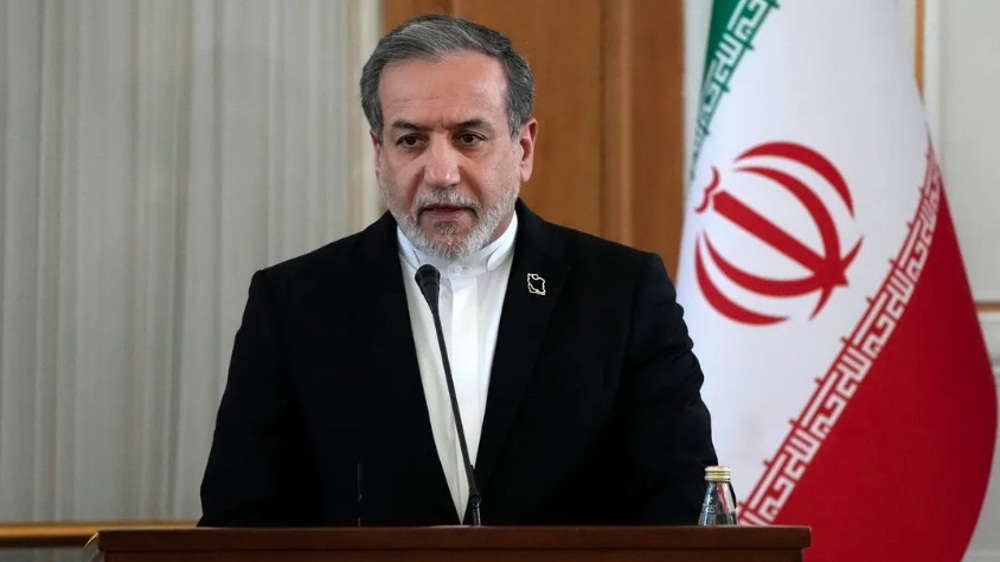
Deputy Foreign Minister Abbas Araghchi told Russia Today that Israel, under Benjamin Netanyahu, was trying to drag the United States into a new war with Iran and said Iran would not accept any inclusion of its missile program in negotiations.
At the same time, UAE Minister of State for Foreign Affairs Lana Nusseibeh visited Tehran for political consultations, where both sides described talks as constructive, noted support for resumed US–Iran diplomatic engagement in Muscat and regional de-escalation, and indicated Tehran was signaling readiness to discuss relations while keeping firm red lines on missiles.
Coverage Differences
Tone
PressTV (West Asian) reports quotes from Abbas Araghchi that are assertive and accusatory toward Israel and frames Tehran’s stance as a defensive, sovereign position—Araghchi ‘called Netanyahu a “warmonger”’ and ‘rejected any inclusion of Iran’s missile program in negotiations, calling it a sovereign defensive right.’ The Islamic Republic of Iran MFA (Other) frames the interaction with the UAE diplomatically and constructively, emphasizing readiness to expand ties and applauding regional efforts to reduce tensions; it reports that talks were ‘useful and constructive’ and welcomed resumed US–Iran engagement in Muscat. These reflect a contrast between a confrontational public warning reported by PressTV and a diplomatic, regionally cooperative tone in the MFA’s account.
Iran's diplomatic leverage
Araghchi’s comments, as reported by PressTV, present the missile red line and threats as leverage aimed at deterring Israeli and American escalation.
He accused Netanyahu of attempting to pull the U.S. into war and said a previous U.S. involvement attempt in June 'ended in disaster' after Iran’s retaliation.
He framed U.S. envoys in Muscat as preferring diplomacy over escalation and emphasized Iran’s agency in using its military posture and rhetoric to shape U.S. seriousness about talks.
The account links Iran’s continued participation in diplomacy to guarantees that missile capabilities will not be on the negotiating table.
Coverage Differences
Narrative Framing
PressTV (West Asian) reports Araghchi’s narrative that Iran’s missile program is both non-negotiable and a bargaining chip to deter Israel and U.S. intervention—e.g., ‘appeared intent on avoiding war and pursuing diplomacy—“the wisest decision” for President Trump—but stressed Iran’s continued participation depends on whether the U.S. is serious about talks.’ The Islamic Republic of Iran MFA (Other) does not relay that confrontational framing; instead it focuses on bilateral ties with the UAE and regional de‑escalation and does not quote rhetoric about dragging the U.S. into a new war or using missile threats as leverage. This shows PressTV foregrounds confrontational deterrence messaging while the MFA account foregrounds diplomatic engagement and economic ties.
Source emphasis and audience
The two sources differ in emphasis and audience.
PressTV’s piece highlights Araghchi’s public warnings about Israel and the U.S., and names individuals said to have been present in Muscat talks, including Jared Kushner and Steve Witkoff.
PressTV also frames U.S. envoy behavior as preferring diplomacy, saying the envoys 'appeared intent on avoiding war and pursuing diplomacy' and calling that 'the wisest decision' for President Trump.
The MFA’s release, by contrast, is inward-facing and diplomacy-focused, stressing political consultations with the UAE minister, economic and trade intentions, and a mutual interest in reducing tensions.
This contrast suggests PressTV targeted a regional audience attentive to security posturing, while the MFA communiqué aimed to reassure on diplomatic and economic cooperation.
Coverage Differences
Unique Coverage
PressTV (West Asian) uniquely includes quotes from Araghchi that are explicitly accusatory toward Israel and that mention specific U.S. envoys by name as engaged in Muscat talks; it conveys a security-focused narrative. The Islamic Republic of Iran MFA (Other) uniquely provides a formal readout of a bilateral meeting with the UAE’s Lana Nusseibeh that emphasizes constructive political consultations and economic cooperation, with no mention of Israel’s alleged actions or the red-line rhetoric. This shows how source purpose and audience shape what details are highlighted or omitted.
Sources and ambiguity
Available texts are limited to a regional news outlet’s report of Araghchi’s interview (PressTV) and an Iranian MFA readout of a bilateral meeting with the UAE.
Neither source provides independent confirmation of U.S. or Israeli intentions, nor do they present opposing international perspectives.
Details such as how the missile red line would be operationalized, or how exactly it was used to ‘stall’ talks from the U.S. side, are not provided in these pieces.
Therefore, while both sources document Iran’s stance and diplomatic outreach, the broader international context and responses from the U.S., Israel, or other external actors are absent.
This absence leaves ambiguity about the effectiveness of the missile red line as a negotiating tactic.
Coverage Differences
Missed Information
Both PressTV (West Asian) and the Islamic Republic of Iran MFA (Other) omit third-party international perspectives and independent verification. PressTV reports Araghchi’s claims about Israel and the U.S. and frames them as factually asserted by Araghchi, while the MFA focuses on the UAE visit; neither provides corroboration from U.S. or Israeli sources, nor detailed mechanics of how the missile red line changes negotiations. This is a substantive omission across both source types.