Full Analysis Summary
Iran‑US nuclear talks
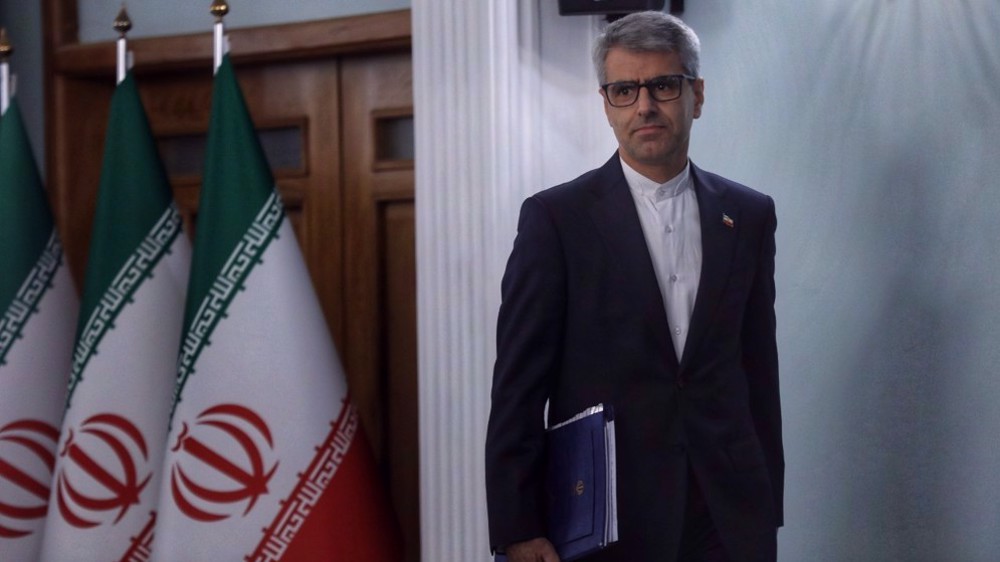
Iran says it has entered indirect nuclear talks with the United States "seriously, in good faith, and with a result‑oriented approach," according to Iran’s Foreign Ministry spokesman Esmaeil Baghaei.
The talks resumed in Geneva after an initial Muscat round on Feb. 6.
Baghaei framed Tehran’s participation as conditional on observing US seriousness and on achieving concrete outcomes rather than open‑ended negotiations.
Coverage Differences
Unique Coverage
Only PressTV (West Asian) is available for this item. PressTV quotes Iran’s Foreign Ministry spokesman Esmaeil Baghaei describing Tehran’s approach as entering talks 'seriously, in good faith, and with a result‑oriented approach.' No other sources are available in the provided material to corroborate, expand, or contradict this framing; therefore we cannot identify contrasts in tone, emphasis, or reported facts across source types.
Geneva talks summary
PressTV reports that the Geneva round was mediated by Oman’s foreign minister and brought full political, legal, economic and technical teams from both sides.
Delegations were led by Iran’s Abbas Araghchi and US envoy Steve Witkoff.
The account emphasizes the formal, multilayered character of the talks and situates the February meetings as follow-ups to the Muscat discussions.
Coverage Differences
Narrative Framing
PressTV highlights the mediation role of Oman’s foreign minister and the presence of full political, legal, economic and technical teams, portraying the talks as structured and substantive. Because only PressTV is provided, we cannot compare whether Western mainstream or alternative outlets emphasize different mediators, levels of participation, or interpret the Geneva round as procedural versus substantive.
Iran-US negotiation tensions
Baghaei explicitly warned that Washington’s "shifting positions and contradictory statements" have created an atmosphere of "full mistrust and skepticism," indicating Iran’s concern about the US negotiating track record even as Tehran professes good faith.
He also dismissed media reports alleging US proposals to suspend or severely limit uranium enrichment as "baseless," signaling Tehran’s sensitivity to reported US demands.
Coverage Differences
Tone
PressTV conveys a cautious tone from Iranian officials—balancing declared good faith with pointed distrust of the US—by quoting Baghaei’s language about 'full mistrust and skepticism' and calling certain media claims 'baseless.' Without alternative sources, we cannot show whether other outlets frame this language as defensive, conciliatory, or skeptical of Iran’s motives.
Iran's regional consultations
PressTV notes that Iran conducted regional consultations to gauge US seriousness, citing visits by Ali Larijani to Muscat and Doha as part of that assessment.
PressTV says this detail underscores Tehran's use of regional diplomacy and third-party interlocutors, notably Oman, to shape the negotiation environment and to verify the US position before and during the Geneva round.
Coverage Differences
Missed Information
PressTV supplies details about regional consultations and specific visits by Ali Larijani, a point that may be absent or less emphasized elsewhere. Because no other outlets are provided, we cannot determine whether Western mainstream or alternative sources report the same visits, contest their significance, or provide additional context on their outcomes.
Reporting limitations and scope
Limitations: the supplied material consists solely of PressTV’s reporting.
Consequently, cross‑source comparison by type (for example, Western mainstream, Western alternative, or other West Asian outlets) is not possible here.
I will not infer additional facts beyond the PressTV account; any requested expansion that requires other sources will need those sources supplied or permissions to consult them.
Coverage Differences
Unique Coverage
Only PressTV is available among the supplied articles; thus the analysis reflects PressTV’s framing, quotes, and emphases. We cannot substantiate differences such as contradictions, alternative interpretations, or omitted facts across multiple source types because those sources were not provided.