Iran-Israel10 November, 20253 min read
Iran Faces Catastrophic Drought as Tehran Risks Water Rationing and Evacuation
Dam reservoir levels in Mashhad and Tehran have dropped below 3 percent capacity. Officials warn Tehran may face water rationing or evacuation without imminent rainfall.

9 outlets told this the same way.
Outlets did split on U.S. Intercepts Iran Message Activating Sleeper Cells After U.S.-Israel Strike Kills Khamenei →
Severe Drought Crisis in Tehran
Iran is experiencing an unprecedented autumn drought, with Tehran at the center of the crisis. Rainfall has drastically decreased compared to last year, with reports indicating a drop of over 90%. Key reservoirs, including Latian and Karaj dams, are operating at less than 10% capacity.
“Iran, particularly its capital Tehran, is experiencing an unprecedented drought this autumn, with record-low rainfall and nearly empty reservoirs.”
President Masoud Pezeshkian has warned that water rationing may become necessary and that evacuation of the capital could be considered if rainfall does not improve. This warning has sparked public criticism and concern. Authorities have called for a 20% reduction in water consumption to manage the shortage.

There is a possibility that Tehran might need to be evacuated if pre-winter rains fail to arrive. Officials are preparing to enforce penalties and even implement periods of zero water flow to cope with the record-low reservoir levels.
Water Shortage Across Regions
The crisis extends beyond the capital to Mashhad and multiple provinces, where storage has plunged to historic lows. The Guardian (Western Mainstream) says Mashhad’s dams are below 3% capacity. The South China Morning Post (Asian) reports five major drinking-water dams around Mashhad are critically low, with one completely empty and another below eight percent capacity.
It adds that overall, reservoir levels have dropped to under three percent. Free Malaysia Today (Asian) broadens the national picture, saying nineteen major dams have nearly run dry, with some below three percent capacity. CediRates (Other) adds that other provinces and cities like Mashhad are also facing critically low water levels, underscoring the breadth of the emergency.
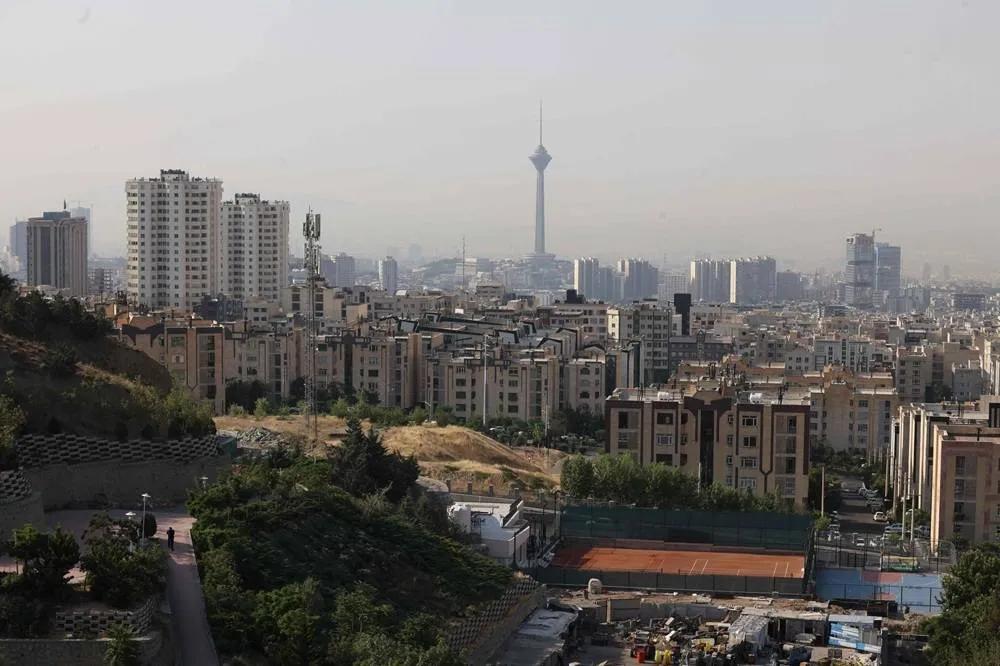
Causes of Tehran's Water Crisis
While drought is the trigger, sources differ on the underlying causes of the water crisis in Tehran. BBC (Western Mainstream) and CediRates (Other) report that aging infrastructure and damage from recent conflict with Israel—linked to flooding in parts of Tehran—have worsened the situation. The Star (Asian) is more explicit, citing “an Israeli strike on Tehran” among recent conflicts that damaged systems.
“Energy Minister Abbas Ali Abadi attributed the crisis not only to drought but also to aging water infrastructure and damage linked to recent conflict with Israel, which caused flooding in northern Tehran.”
In contrast, kurdistan24.net (West Asian) emphasizes “decades of mismanagement and international sanctions” as key factors. Arab News (West Asian) and Free Malaysia Today (Asian) also highlight domestic governance issues, pointing to “politicized environmental management” and “unqualified officials” as major contributors.
Water Crisis Emergency Measures
Authorities are rolling out or considering emergency measures to address the water shortage. BBC (Western Mainstream) reports plans to penalize excessive water use and potentially reduce water flow to zero on some nights. Arab News (West Asian) highlights calls for a 20% reduction in consumption and notes public holidays meant to conserve water and energy.
The Guardian (Western Mainstream) says about 10% of major reservoirs have dried up, with Tehran warning of rolling water cuts or even evacuation if rains do not come. Authorities declared summer public holidays to cut consumption amid heatwave-related power outages.
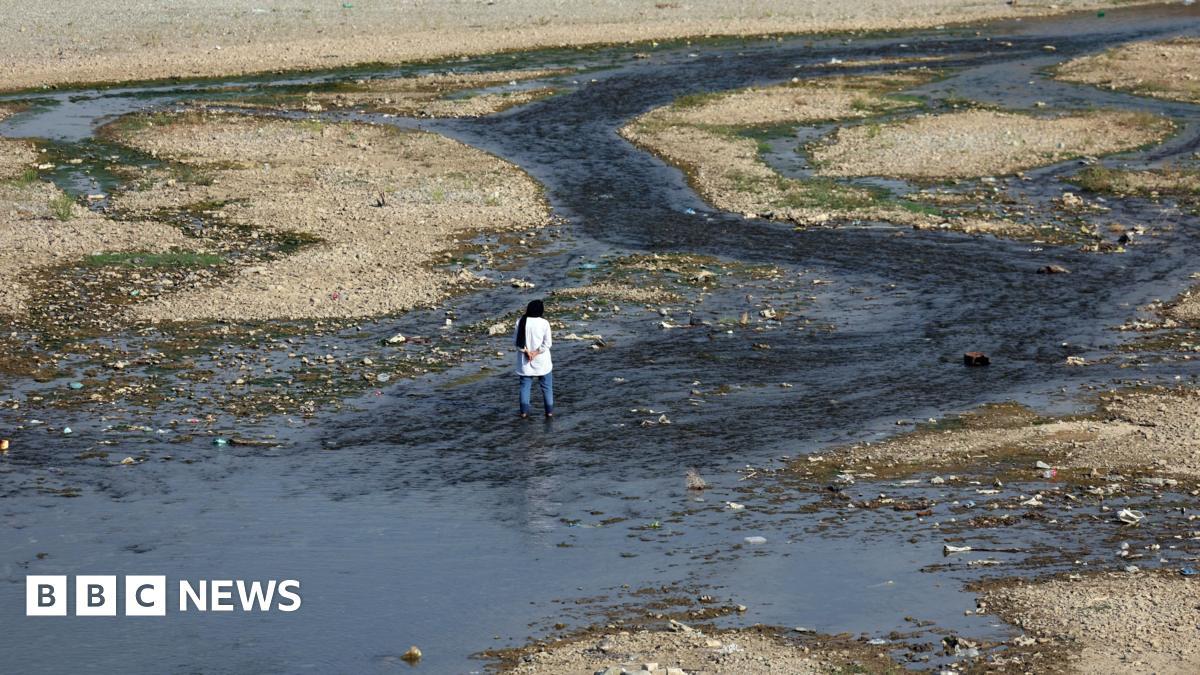
SCMP (Asian) adds warnings of rolling water cuts in Tehran and describes usage exceeding the capacity of the city’s four supply dams. Kurdistan24.net (West Asian) mentions rationing, water cuts, power outages, and public holidays as part of emergency management.
Water Crisis and Impact in Iran
Daily life is already strained as residents are buying tankers and bottled water. Officials warn that without rains the capital could face rationing or evacuation. BBC (Western Mainstream) describes people buying water tankers and bottled water.
“The situation is severely impacting daily life, with residents resorting to buying water tankers and bottled water for basic needs.”
CediRates (Other) similarly notes residents resorting to buying bottled water and water tankers. The Star (Asian) and Arab News (West Asian) warn that over 16 million people in Tehran, Karaj, and Mashhad are at risk of running out of water. Kurdistan24.net (West Asian) adds that the prolonged crisis could force Tehran’s evacuation and even reduce Iran’s regional influence, signaling broader geopolitical stakes.
Some coverage also includes off-topic or parallel items. The Star briefly notes unrelated arrests at Kilindini Port. Arab News reports separate East Jerusalem evictions, reflecting differing editorial choices.