
Iran Fires Ballistic Missiles and Drones at Bahrain and Kuwait, U.S. Shoots Down Several
Key Takeaways
- Iran fired ballistic missiles and drones at Bahrain and Kuwait; they were intercepted.
- U.S. forces shot down Iranian missiles and drones and hit radar sites.
- Negotiations sought a 60-day ceasefire extension and renewed nuclear talks.
Missiles test ceasefire
Iran fired ballistic missiles and drones toward Bahrain and Kuwait early Saturday, Bahrain’s government said, and the missiles and drones were intercepted as the exchange tested a fragile ceasefire.
“A new exchange of fire with Iran in the Gulf tests the fragile ceasefire Iran has fired ballistic missiles and drones toward Bahrain and Kuwait, according to Bahrain’s government CAIRO -- CAIRO (AP) — Iran fired ballistic missiles and drones toward Bahrain and Kuwait early Saturday, Bahrain’s government said, adding that they were intercepted”
The U.S. military said it shot down several Iranian missiles and drones launched toward the Strait of Hormuz and struck some of the Islamic Republic’s coastal surveillance radar sites in response, while Bahrain’s government said the Iranian attack was a “serious escalation.”
Iran said it targeted American military assets in both countries after the U.S. attacked surveillance facilities on Qeshm Island and near Sirik, and Tehran called the U.S. strikes a ceasefire violation.
U.S. Central Command said the attack drones “posed an immediate threat to regional maritime traffic,” and it confirmed it hit radar sites, including an island in the strait, “to defend against further attacks.”
Condemnations and claims
Bahrain activated air raid sirens and told residents to move to the nearest safe location and follow official instructions, while Kuwait’s military said it was intercepting drones and missiles launched at the country.
Kuwait’s foreign ministry condemned the attacks as a “serious escalation” and a “flagrant violation of its sovereignty”, and it said it reserved the right to defend its country.

Iran’s Foreign Ministry denounced the latest U.S. strikes as a “flagrant” violation of the ceasefire and said the U.S. “not only lacks the will to reduce tensions”, but “seriously endangers the security of the region”.
Iran’s Islamic Revolutionary Guard Corps said it targeted the Ali Al Salem air base, which hosts U.S. forces in Kuwait, and the U.S. Navy’s 5th Fleet in Bahrain, according to the state-run IRNA news agency.
Negotiations and pressure
The new exchange came as the Trump administration pressed Iran to make a deal to end the war, with U.S. and Iranian negotiators reaching a tentative agreement a week ago to extend the ceasefire by 60 days and start a new round of talks on Iran’s nuclear program.
“The United States says it downed multiple Iranian ballistic missiles and drones that were launched towards the Strait of Hormuz and the Gulf, further testing a fragile truce between the US and Iran as negotiations drag out”
The U.S. Treasury Department is considering allowing Gulf allies to tap into frozen Iranian assets to pay for damages they sustained in the war, according to a person familiar with Secretary Scott Bessent’s thinking who spoke Saturday on condition of anonymity.
Miad Maleki said it was significant that the U.S. was signaling it could allow Gulf countries to access some of the $24 billion in frozen Iranian assets stored abroad, and he quoted the U.S. position as: “we’re going to take these funds from you, and we’re going to help Gulf states to take it,”.
The Guardian reported that the World Food Programme said millions of people were being pushed into hunger due to the knock-on effects of the Iran war, primarily due to soaring energy and food prices, while the U.S. military enforced a blockade on Iranian ports in response to Tehran’s chokehold on the strait.
More on Iran

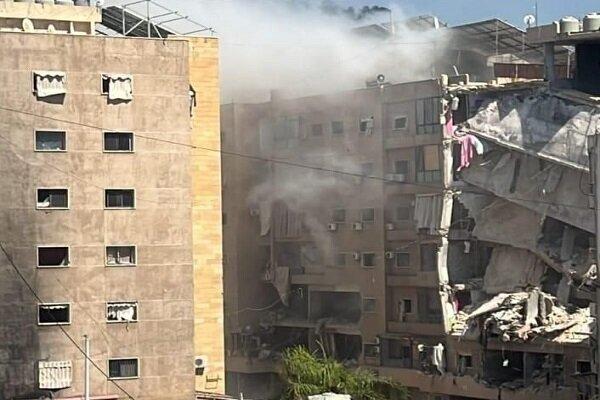
Iran Launches Missiles Toward Israel After Israeli Air Raid on Beirut Suburbs
22 sources compared
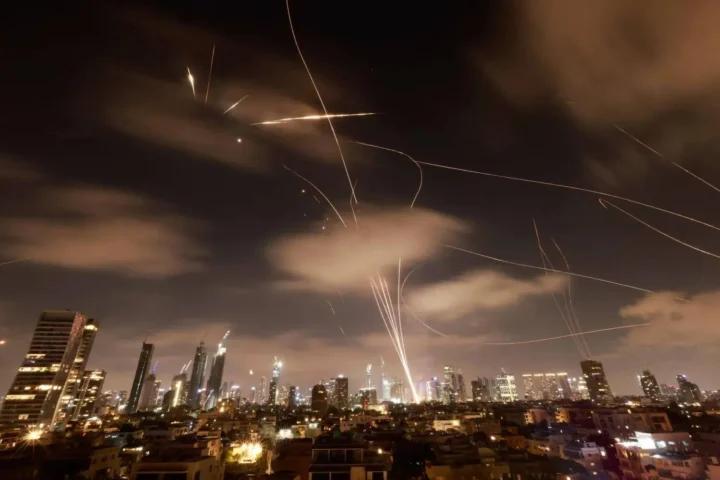
Iran Launches Missiles At Israel After Beirut Strike, Israel Intercepts Waves
17 sources compared
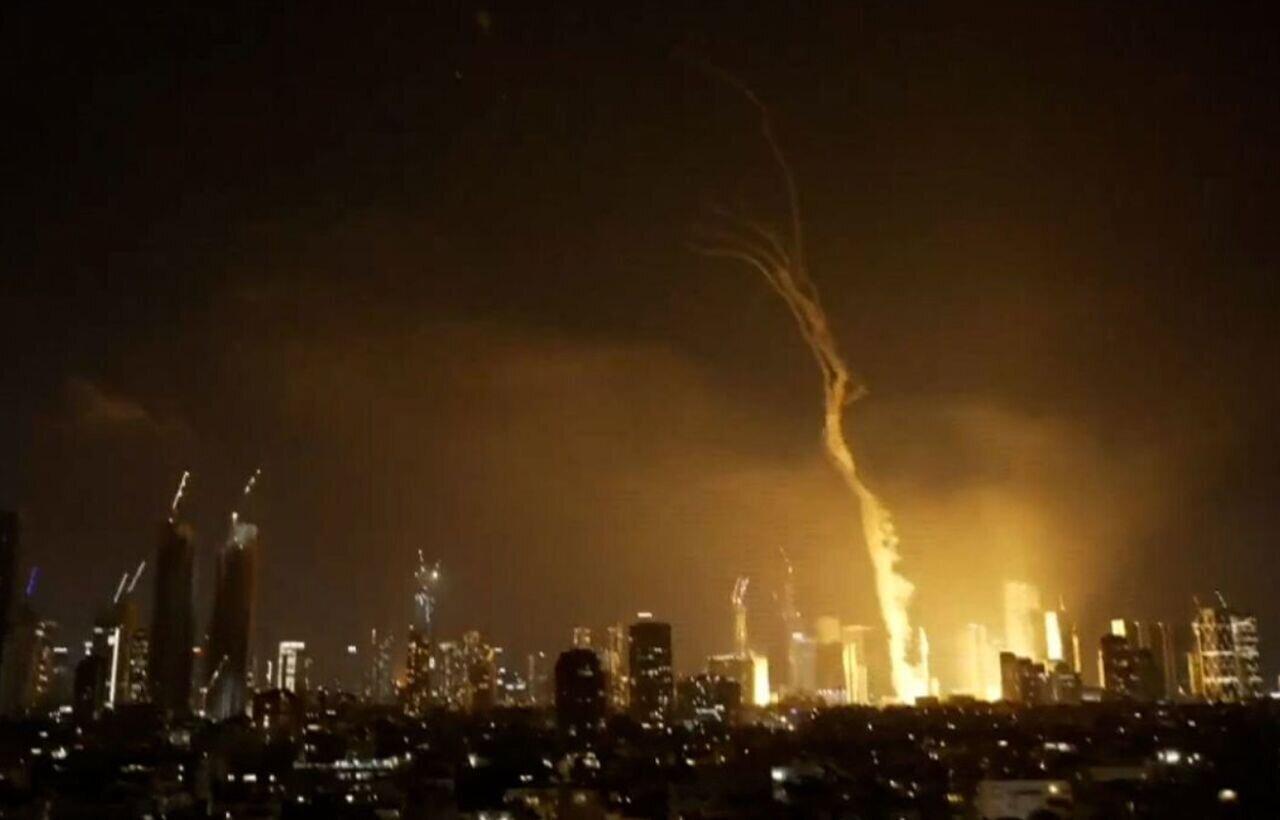
Iran Launches Missiles At Israel After Beirut Suburb Bombardment
27 sources compared
Iran Fires Missiles at Israel After Warnings Over Lebanon Assault
19 sources compared