Full Analysis Summary
Iran-Israel-Lebanon escalation
Iran launched an unprecedented long-range missile assault that Tehran says involved 'hundreds of missiles' fired into Israel.
Israel's UN ambassador, Danny Danon, said the attack followed a recent string of Hezbollah-related tensions.
ABC News reported that most missiles were intercepted, though several strikes were confirmed and assessments of damage were ongoing.
The outlet also noted heavy fighting in Lebanon, with more than 1,000 people killed in the past two weeks as Israel continued operations there.
Together, these accounts portray a major escalation across multiple fronts involving Iran, Israel and Lebanon.
Coverage Differences
Narrative focus / emphasis
ABC News (Western Mainstream) emphasizes battlefield developments, casualties in Lebanon, and Israeli statements about interceptions and confirmed strikes, reporting facts and official Israeli quotes. PressTV (West Asian), while not providing a detailed operational timeline of the missile barrage in the provided snippet, foregrounds Iranian officials’ explanations for confrontation and their diplomatic posture, defending Iran’s programs and urging diplomacy on equal terms — a different emphasis (justification and political framing) compared with ABC’s operational focus.
Media coverage of missile strikes
ABC's reporting focuses on immediate effects and official Israeli statements.
It says damage assessments were underway and that Israel reported most incoming missiles were intercepted while some strikes were confirmed, underscoring both the scale of the barrage and Israel's air-defence response.
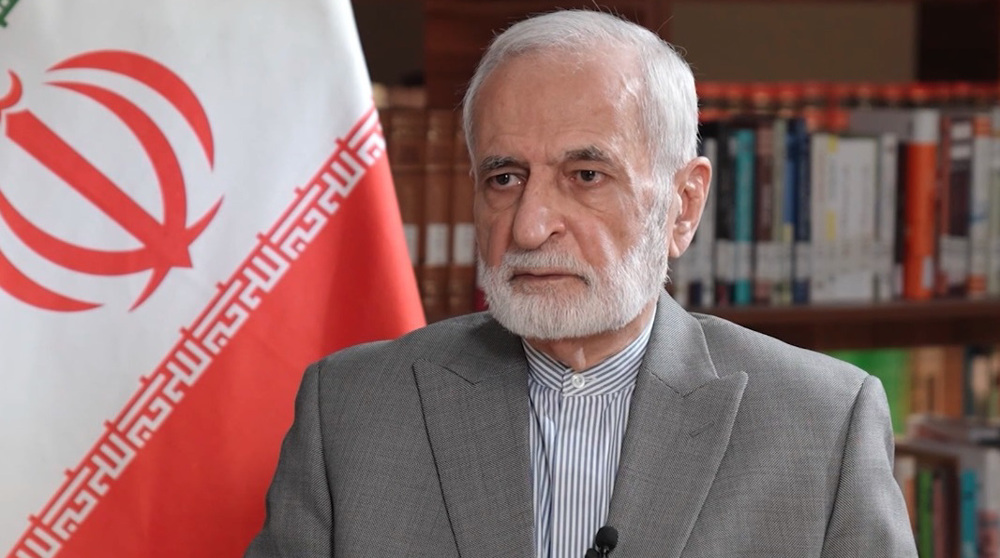
PressTV supplies Iranian official commentary through Kamal Kharrazi, who framed Iran as prepared for confrontation.
Kharrazi said Iran would be open to diplomacy only on terms of 'mutual respect, equal footing, and a pre-agreed agenda,' framing its stance in the context of broader Western pressure and alleged assassination campaigns.
Coverage Differences
Contradiction / Explanation emphasis
ABC News (Western Mainstream) relays operational claims and casualty figures and cites Israeli spokespeople on interceptions and confirmed strikes, focusing on the immediate military facts. PressTV (West Asian) reports Iranian officials’ explanations and diplomatic conditions, framing Iran’s posture as defensive and linked to criticisms of U.S. policy — PressTV reports Kharrazi’s claims rather than independently verifying operational details.
Competing media narratives
ABC reports the missile sorties as part of a broader escalation tied to Israel’s operations and clashes in Lebanon that have caused substantial casualties.
PressTV, conveying remarks by Kharrazi, attributes the confrontation to Western policy failures and alleges coordinated pressure, including threats against Iran’s nuclear sites.
It argues such pressure has not altered Iranian policy and frames Tehran’s response as principled resistance rather than unprovoked aggression.
The two sources therefore emphasize different causal narratives: ABC focuses on the battlefield sequence and human toll, while PressTV stresses the political and diplomatic rationale presented by Iranian officials.
Coverage Differences
Narrative / causal framing
ABC News (Western Mainstream) situates the strikes within cross-border hostilities and reports casualty figures in Lebanon, while PressTV (West Asian) emphasizes the Iranian official line that Western coercion failed and that Iran’s actions and nuclear program are peaceful — PressTV reports Kharrazi’s defensive claims about Iran’s program rather than independently verifying the program’s status.
News tone and sourcing
Tone differs across sources: ABC is operational and casualty-focused, while PressTV is political and justificatory.
Coverage Differences
Tone / reported quotes
ABC News (Western Mainstream) conveys official Israeli claims and casualty information with an operational tone. PressTV (West Asian) quotes Iranian officials offering political justifications and calls for diplomacy; PressTV reports those quotes as Kharrazi’s views rather than asserting them as established facts.
Reporting limitations and verification
Key uncertainties remain because the provided material is limited.
ABC offers operational claims and casualty figures, but the snippet lacks the full scope of damage and independent verification.
PressTV highlights Iranian officials' rationale and defense of its nuclear program without independent corroboration.
I cannot add details beyond these sources, and further reporting from additional independent outlets is required.
Independent reporting is needed to confirm strike locations, full casualty tallies, international responses, and technical assessments of the missile barrage and intercepts.
Coverage Differences
Missing information / need for independent verification
Both ABC News and PressTV present different slices of the story — ABC with battlefield claims and casualty figures, PressTV with Iranian official rationale — but neither provides independent verification of all operational claims or a full international reaction summary. This is a gap across the available sources.